Introduction to Photoelectric Sensor Pricing
Understanding the pricing landscape for photoelectric sensors requires a nuanced look at the market's leading manufacturers and the key variables that influence cost. These sensors, essential for automation, packaging, material handling, and safety systems, vary significantly in price based on technology, performance, and brand reputation. This guide provides a detailed analysis of pricing from top manufacturers and the factors that determine final costs for industrial buyers and system integrators.
Key Price Determinants for Photoelectric Sensors
Several core factors directly impact the price of a photoelectric sensor. The sensing technology—diffuse, retro-reflective, through-beam, or background suppression—plays a primary role. Through-beam sensors, often requiring separate emitter and receiver units, typically command a higher price than single-unit diffuse models. Sensing range is another critical factor; long-range sensors for large-scale applications are more expensive. Additional features like built-in amplifiers, analog outputs, programmable logic, high IP ratings for harsh environments (dust, water), specialized housings (stainless steel), and advanced diagnostics (IO-Link, condition monitoring) all add to the base cost. Finally, the housing material, connector type, and required certifications (e.g., ATEX, UL) contribute to the final price point.
Pricing Overview of Major Manufacturers
The market is dominated by several established manufacturers, each with distinct pricing tiers. Brands like Sick, Keyence, and Banner Engineering are positioned in the premium segment. A standard diffuse sensor from these leaders can range from $80 to $250, with advanced, feature-rich models exceeding $500. Mid-range manufacturers, including Omron, Schneider Electric (Telemecanique), and Rockwell Automation (Allen-Bradley), offer robust sensors typically priced between $50 and $150 for common models. The value segment features companies like Panasonic, Eaton, and Turck, where basic sensors can be found from $30 to $100, providing cost-effective solutions for less demanding applications.
Detailed Price Analysis by Sensor Type
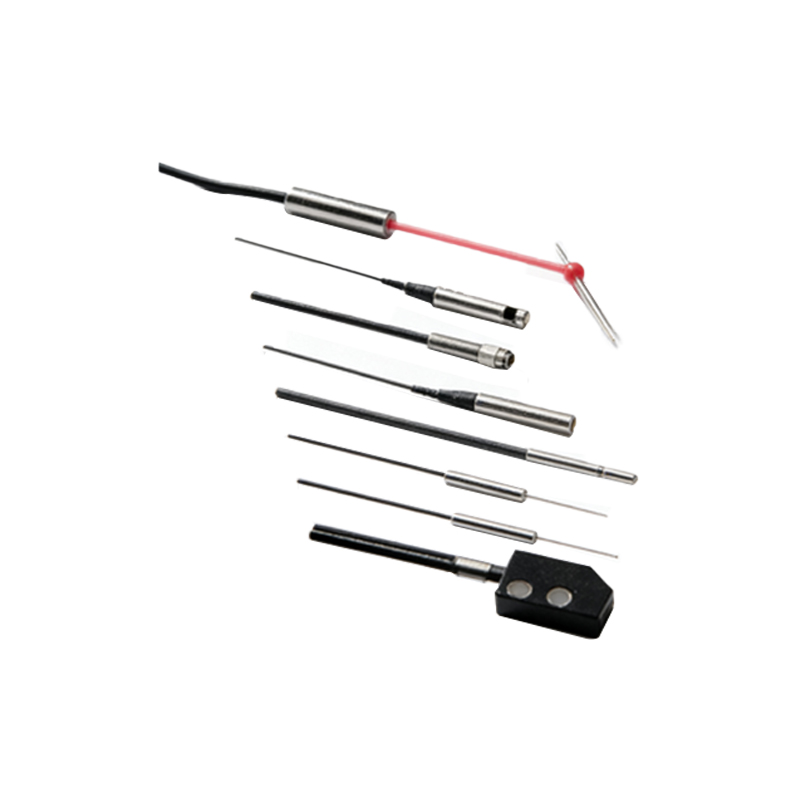
A granular look reveals significant price differences by sensor type. Standard through-beam sensor sets often start around $120 and can reach over $400 for long-range or high-precision versions. Background suppression sensors, which detect objects regardless of color or reflectivity, generally range from $150 to $350. Miniature sensors for space-constrained installations carry a price premium, often between $70 and $200. Conversely, basic diffuse sensors with a limited range can be the most economical, with prices as low as $30-$80 from value-tier brands. Fiber optic amplifiers, used with remote sensing heads, represent another cost category, with units priced from $150 to $600 depending on channel count and functionality.
The Impact of Order Volume and Distribution
List prices are often a starting point for negotiation. Substantial volume purchases—common for OEMs or large-scale integrators—can secure discounts of 15% to 30% or more off catalog prices. The choice of distributor also affects cost. Authorized distributors for premium brands may have less price flexibility but offer full technical support and warranty. Broadline electronic distributors or online marketplaces might offer lower prices on standard models but with varying levels of support. Additionally, regional market dynamics, import duties, and local stock availability can cause price fluctuations for identical part numbers.
Total Cost of Ownership Considerations
While the initial purchase price is important, savvy engineers evaluate the Total Cost of Ownership (TCO). A higher-priced sensor from a reputable manufacturer may offer superior reliability, longer service life, and easier integration, reducing downtime and maintenance costs. Factors like mean time between failures (MTBF), availability of replacement parts, compatibility with existing infrastructure, and the quality of technical documentation and software tools all contribute to long-term value. Investing in sensors with advanced diagnostics can prevent costly production stops, justifying a higher initial investment.
Future Trends and Price Trajectory
The photoelectric sensor market is experiencing trends that influence pricing. The integration of Industrial IoT (IIoT) capabilities and smart sensor features is creating a new premium segment, potentially raising prices for advanced models. However, increased manufacturing scale and competition, especially in the value segment, continue to exert downward pressure on prices for standard sensors. The adoption of new light sources and ASIC technology may also reshape cost structures over time. Buyers should anticipate stable or slightly decreasing prices for conventional sensors but be prepared for a premium for sensors with embedded intelligence and connectivity features.
Procurement Recommendations
For optimal procurement, clearly define the application requirements first: required sensing mode, range, environmental conditions, and necessary outputs. Obtain quotes from multiple distributors for the shortlisted models from different manufacturer tiers. Always factor in lead times, especially for customized or less common sensors. For critical applications, prioritize reliability and support over the lowest price. Engaging with manufacturer application engineers during the selection phase can prevent costly mismatches and ensure the chosen sensor delivers the required performance within the project budget, balancing upfront cost with long-term operational efficiency.