Introduction to Corrosion-Resistant Proximity Sensors
In demanding industrial environments, the presence of moisture, chemicals, salts, and other corrosive agents poses a significant threat to the longevity and reliability of electronic components. Standard proximity sensors, while effective in clean conditions, often succumb to premature failure when exposed to such harsh elements. This is where corrosion-resistant proximity sensors become indispensable. These specialized devices are engineered to detect the presence or absence of metallic or non-metallic objects without physical contact, all while withstanding aggressive atmospheres that would degrade ordinary sensors. Their design philosophy centers on creating a robust barrier between the sensitive internal electronics and the external corrosive environment, ensuring consistent performance in sectors like chemical processing, marine applications, food and beverage production, and wastewater treatment.
Fundamental Operating Principles
At their core, corrosion-resistant proximity sensors operate on the same fundamental principles as their standard counterparts, primarily inductive, capacitive, or magnetic sensing. Inductive sensors, the most common for metal detection, generate an oscillating electromagnetic field from a coil in the sensing face. When a metallic target enters this field, eddy currents are induced in the target, which dampens the oscillation amplitude. An internal circuit detects this change and triggers a switching signal. Capacitive sensors can detect both metallic and non-metallic materials (liquids, plastics, wood) by measuring changes in capacitance caused by a target altering the electrical field between the sensor's electrodes. Magnetic sensors, or reed switches, react to the presence of a magnetic field. The "corrosion-resistant" attribute does not alter this core physics but is achieved through meticulous material selection and sealing of the housing that contains these sensing elements.
Key Design Features for Corrosion Resistance
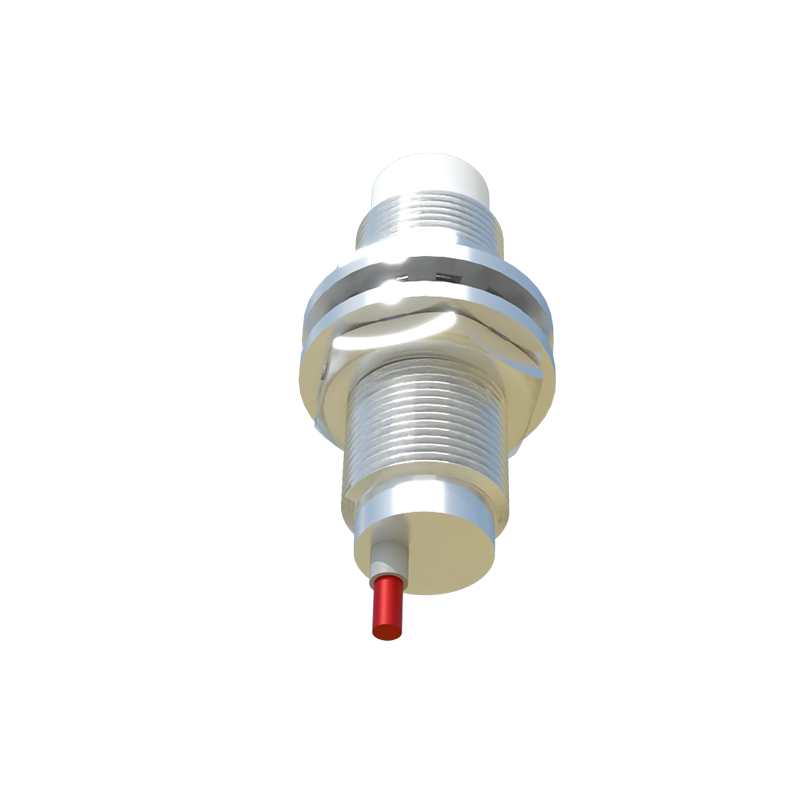
The resilience of these sensors is not accidental but a result of deliberate design choices. The housing material is paramount. High-grade stainless steels, such as 316L or 304, are frequently employed for their excellent resistance to a wide range of chemicals and salts. For even more severe conditions, sensors may feature housings made from specialized plastics like PBT (polybutylene terephthalate), PVDF (polyvinylidene fluoride), or PPS (polyphenylene sulfide), which offer superb resistance to acids, alkalis, and solvents. Beyond the housing, the sensing face—the critical interface with the environment—is often made of a chemically inert material like PTFE (Teflon) or ceramic. These materials prevent corrosive agents from attacking the coil or electrode behind the face. Furthermore, the entire assembly is hermetically sealed using advanced techniques like laser welding or epoxy potting to prevent any ingress of moisture or vapors through seams, cable entries, or housing joints.
Sealing Standards and Protection Ratings
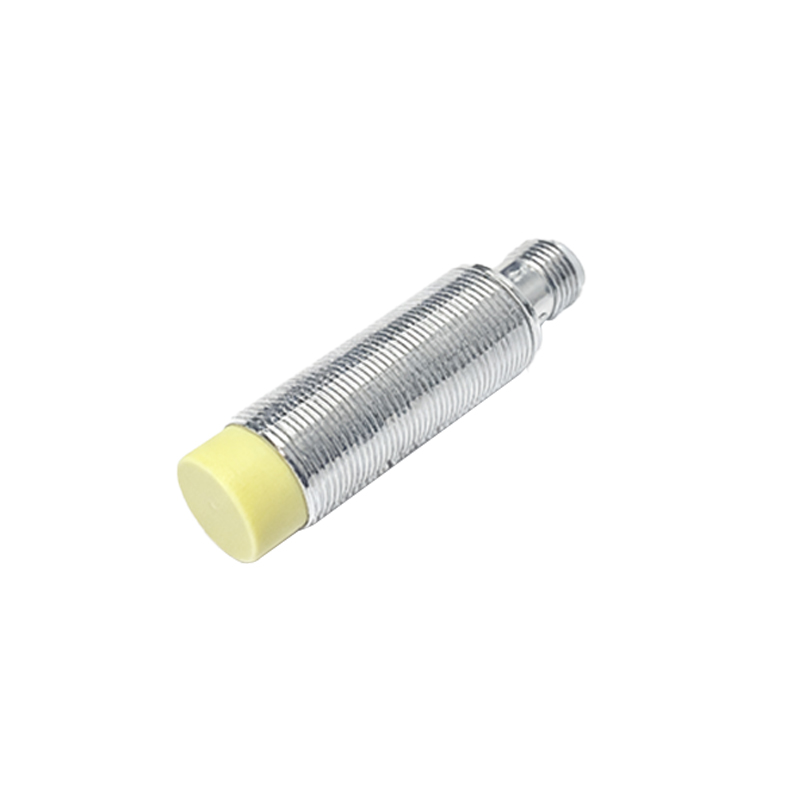
To quantify and standardize the level of protection, international codes like the Ingress Protection (IP) rating and NEMA (National Electrical Manufacturers Association) standards are used. A corrosion-resistant proximity sensor typically boasts a high IP rating, such as IP67, IP68, or IP69K. IP67 and IP68 guarantee protection against temporary or prolonged immersion in water, while IP69K certifies resistance to high-pressure, high-temperature washdowns, common in food industry sanitization. For corrosive gases and atmospheres, the NEMA 4X rating is highly relevant, indicating a housing that is watertight and corrosion-resistant. These ratings provide engineers with a reliable benchmark for selecting a sensor suitable for a specific hostile environment, ensuring the device will perform as expected without failure due to environmental factors.
Application-Specific Considerations
Selecting the right corrosion-resistant sensor requires a detailed analysis of the application. In the chemical industry, sensors must resist specific acids or alkalis used in processes; a PTFE-faced inductive sensor might be chosen. In marine or offshore applications, resistance to saltwater spray and salt-laden air is critical, making 316L stainless steel a preferred choice. Food and pharmaceutical manufacturing demand sensors that can withstand frequent caustic washdowns with cleaning agents (CIP - Clean-in-Place procedures) and are often required to have a smooth, crevice-free design (hygienic design) to prevent bacterial growth. In each case, the sensor must not only survive the environment but also maintain its sensing characteristics, such as switching distance and repeatability, which can be affected by coating buildup or material degradation over time.
Installation and Maintenance Best Practices
Even the most robust sensor can fail if installed incorrectly. Proper installation is crucial for maximizing the lifespan of a corrosion-resistant proximity sensor. It involves ensuring that the sealing surfaces are not scratched or damaged during mounting. Cable glands or connectors must be of a compatible material and specification to maintain the integrity of the seal.