Introduction to Photoelectric Sensor Technology
Photoelectric sensors are pivotal components in modern automated lighting control systems. These devices operate by emitting a beam of light, typically infrared, visible, or laser light, and detecting changes in the received light signal. The fundamental principle involves the interruption, reflection, or modulation of this light beam by an object or person. In lighting applications, this detection triggers a control circuit to switch lights on or off, or to adjust their intensity. The core components include an emitter (light source), a receiver (photodetector), and associated control electronics. This technology offers a non-contact method of detection, making it highly reliable and durable with minimal maintenance requirements. Its application extends beyond simple on/off switching to encompass energy management, safety enhancements, and the creation of responsive environments in both commercial and industrial settings.
Core Operating Principles and Sensor Types
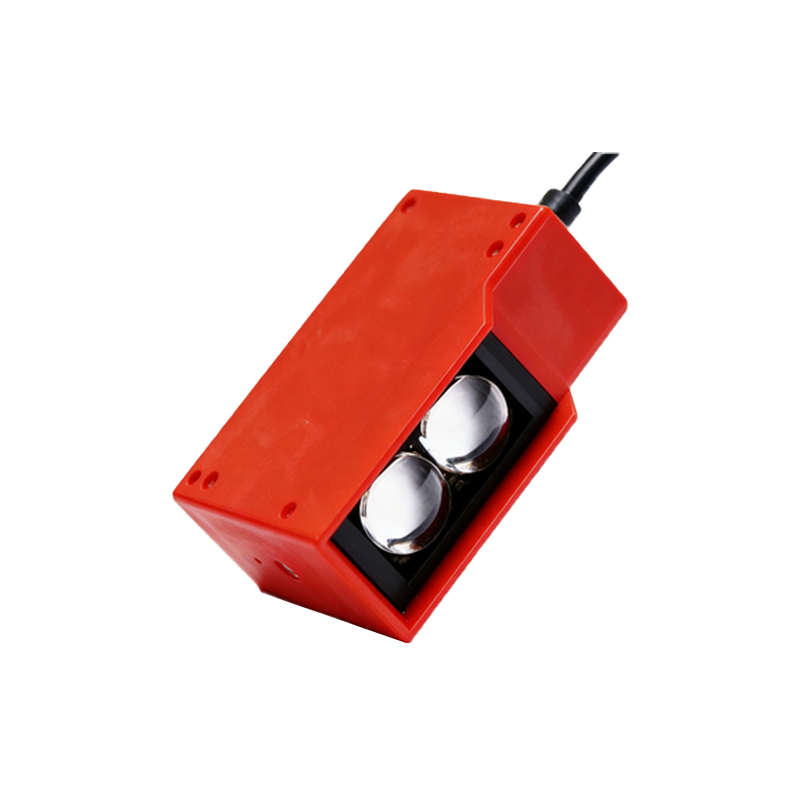
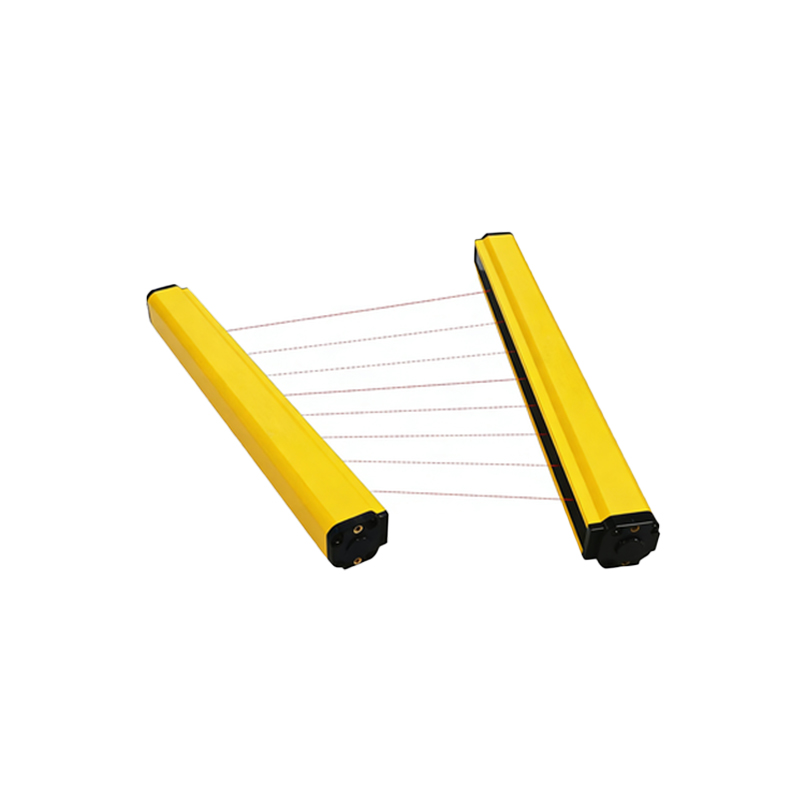
Understanding the operational modes is essential for proper application. The three primary types are through-beam, retro-reflective, and diffuse-reflective sensors. Through-beam sensors consist of separate emitter and receiver units placed opposite each other. An object is detected when it breaks the light beam. This type offers the longest sensing range and highest reliability. Retro-reflective sensors house both emitter and receiver in a single housing, using a reflector to bounce the light beam back. Detection occurs when an object interrupts this reflected beam. Diffuse-reflective sensors, also known as proximity sensors, detect light reflected directly from the target object itself. For lighting control, diffuse and retro-reflective types are most common for occupancy detection, as they can be installed in a single location, such as a ceiling or wall. The choice depends on factors like required sensing range, environmental conditions, and the nature of the objects to be detected.
System Integration and Control Circuitry
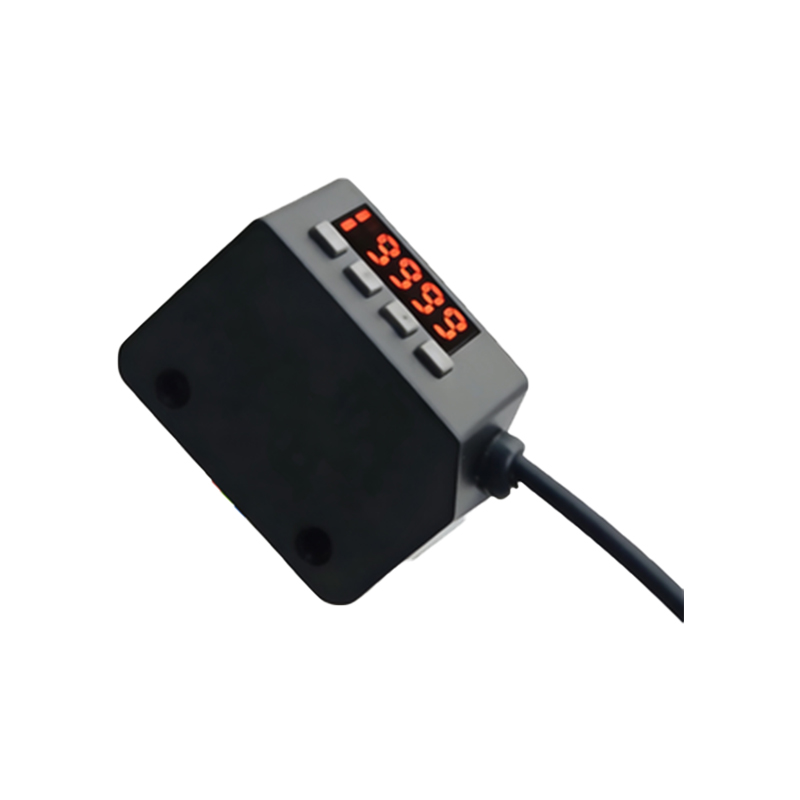
Integrating a photoelectric sensor into a lighting system involves more than just detection. The sensor's output signal, typically a solid-state relay (SSR) or transistor switch, connects to a lighting controller or directly to a power switching device. Modern systems often use programmable logic controllers (PLCs) or dedicated lighting control modules. These processors interpret the sensor signal and execute pre-programmed logic, such as turning on lights upon detecting motion and implementing a delay timer before turning them off after the area is vacated. Advanced systems incorporate daylight harvesting, where ambient light sensors work in tandem with occupancy sensors to dim or switch off artificial lights when sufficient natural light is present. The control circuitry must account for factors like response time, sensitivity adjustment, and immunity to electrical noise to ensure stable operation.
Key Advantages for Energy Efficiency and Cost Savings
The primary driver for adopting photoelectric sensor-controlled lighting is substantial energy conservation. Lights operate only when needed, eliminating waste from unoccupied spaces. Studies indicate potential energy savings of 30% to 50% in areas like warehouses, parking garages, office corridors, and restrooms. Beyond direct electricity savings, this reduces the thermal load on HVAC systems and extends the operational lifespan of lighting fixtures, particularly LEDs, by reducing their total burning hours. The return on investment (ROI) is often calculated within a few years, followed by ongoing cost reductions. Furthermore, automated control contributes to compliance with stringent international building energy codes and sustainability certifications like LEED, which award points for advanced lighting controls.
Design Considerations and Installation Best Practices
Successful implementation requires careful planning. Sensor placement is critical; it must provide an unobstructed field of view to the area of interest. Mounting height and angle must be optimized to detect typical motion patterns while avoiding false triggers from sources like moving machinery, HVAC vents, or sunlight. The sensing range and sensitivity should be calibrated for the specific environment. For instance, a warehouse aisle requires a different setup than a private office. Environmental durability is another key factor. Sensors installed in harsh industrial areas may need high Ingress Protection (IP) ratings for dust and moisture resistance. Electrical compatibility regarding voltage (e.g., 24V DC, 120/230V AC) and output type (NPN/PNP) with the lighting control system is mandatory. Proper shielding and wiring practices prevent electromagnetic interference.
Applications Across Industrial and Commercial Sectors
The versatility of photoelectric sensor lighting control enables widespread use. In industrial facilities, they secure safety by illuminating hazardous pathways only when workers are present and control high-bay lighting in storage areas. In commercial buildings, they manage lighting in conference rooms, open-plan offices, and stairwells. Outdoor applications include security lighting for building perimeters and pathway lighting. Smart building systems integrate these sensors into a Building Management System (BMS), allowing for centralized monitoring, data logging on space usage, and fine-tuned control strategies. This data can inform broader facility management decisions, optimizing not just lighting but also space utilization and maintenance schedules.
Future Trends and Technological Advancements
The future of photoelectric sensing in lighting is intertwined with the Internet of Things (IoT) and smart cities. Next-generation sensors are becoming intelligent nodes on networks, communicating via protocols like DALI, Zigbee, or BACnet. They can transmit diagnostic data, such as lens contamination alerts or failure warnings, enabling predictive maintenance. Multi-technology sensors that combine photoelectric sensing with passive infrared (PIR) or microwave detection are emerging to improve accuracy and reduce false negatives. Furthermore, the miniaturization of components and reduction in cost are making this technology accessible for smaller-scale and residential applications. As lighting evolves with Li-Fi and human-centric lighting, photoelectric sensors will remain a fundamental enabler for responsive, efficient, and intelligent illumination systems.