Introduction to Inductive Proximity Sensing
The Z-06 represents a cornerstone in modern inductive proximity sensor technology, designed for reliability in demanding industrial environments. Operating on the principle of electromagnetic induction, this sensor generates an oscillating electromagnetic field from its face. When a metallic target enters this field, eddy currents are induced within the target, causing a change in the sensor's oscillation amplitude. This change is detected by the internal circuitry, which subsequently triggers a solid-state output switch. This non-contact detection method is fundamental to countless automation processes, offering distinct advantages over mechanical limit switches, including the absence of physical wear, high-speed operation, and resilience against contaminants like dirt, oil, and coolants. The robust construction of the Z-06 ensures consistent performance where traditional sensing methods would falter.
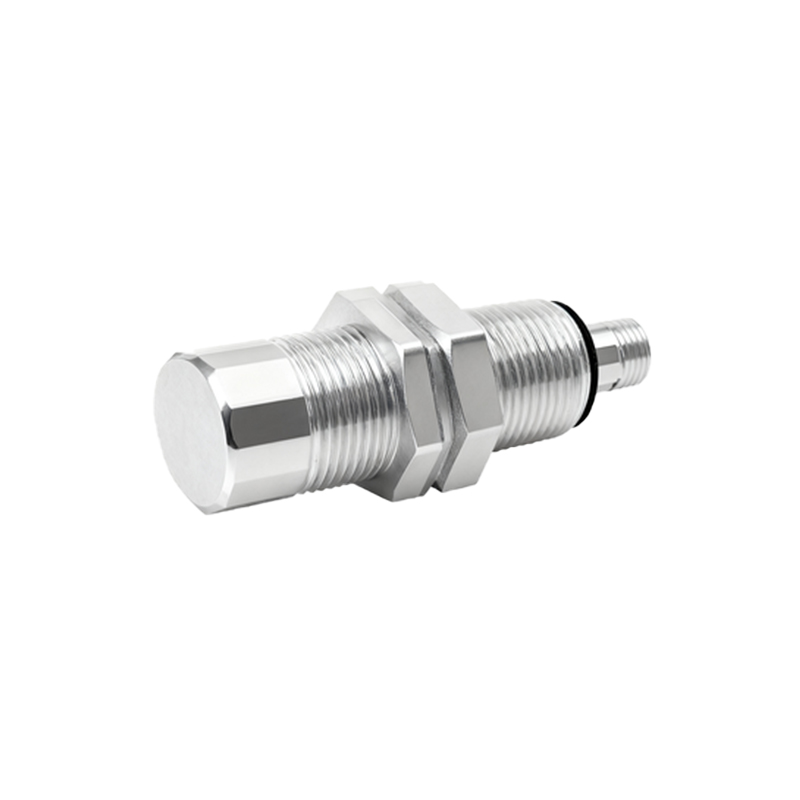
Key Technical Specifications and Design
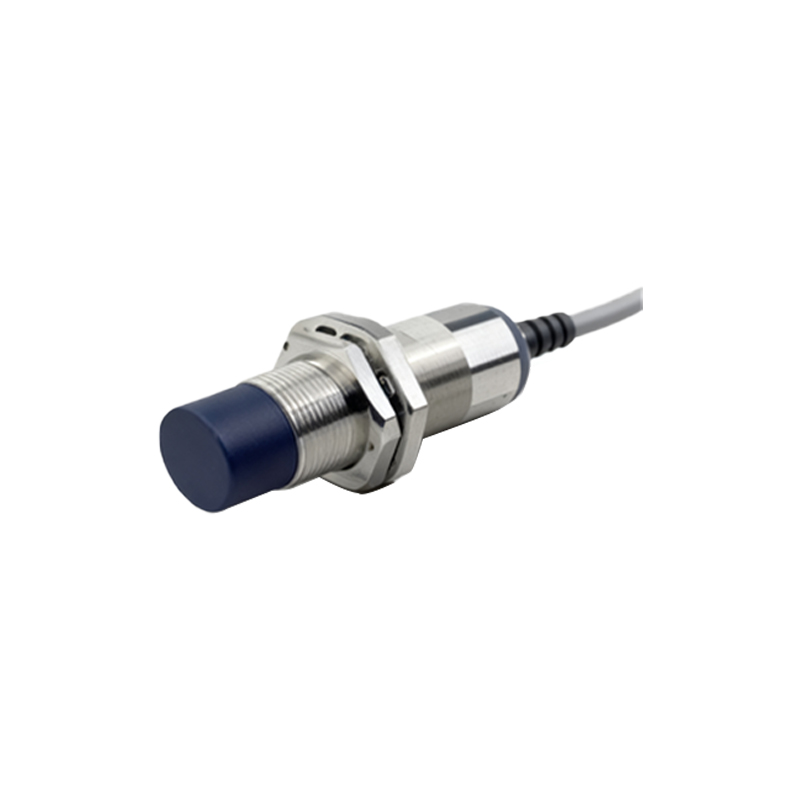
Engineered for precision, the Z-06 series typically features a standardized sensing range, often up to 6mm for steel targets, though this varies with target material. Its compact, cylindrical housing, frequently in M12 or M18 threading, allows for easy integration into machinery. A critical specification is its operating frequency or switching speed, which defines how quickly it can detect successive targets—a vital parameter for high-speed production lines. The sensor is available in various output configurations, including NPN (sinking) and PNP (sourcing) transistor outputs, as well as Normally Open (NO) or Normally Closed (NC) logic, providing flexibility for diverse PLC and control system interfaces. Built with a nickel-plated brass or stainless-steel barrel and a sensing face made of durable PBT or similar polymer, it is rated for high IP67 or IP69K ingress protection, safeguarding against washdowns and harsh conditions.
Application Scenarios in Automation
The utility of the Z-06 proximity sensor spans the entire spectrum of industrial automation. In material handling, it is indispensable for precise position detection of pallets, robotic arms, and conveyor systems, ensuring smooth logistical flow. Within machining centers, it serves as a tool presence detector, verifies part clamping, and acts as an end-of-travel limit for slides and spindles. Packaging machinery relies on these sensors for counting bottles, detecting foil seals, and controlling fill levels. A particularly critical application is in safety interlocking, where the sensor confirms the position of guards or doors, enabling machine operation only when conditions are safe. Its immunity to environmental factors makes it ideal for automotive assembly lines, food processing plants, and outdoor equipment.
Installation Considerations and Best Practices
Correct installation is paramount to achieving optimal performance and longevity from the Z-06 sensor. A primary consideration is maintaining the proper mounting distance. Sensors must be installed with adequate clearance from the target and surrounding metal structures to prevent false triggering or shielding effects, a concept known as the "flush-mountable" or "non-flush" mounting requirement based on the model. Wiring must adhere to the specified voltage range, commonly 10-30V DC, with careful attention to polarity for the DC models. Using shielded cables in electrically noisy environments and ensuring proper grounding minimizes interference. Regular maintenance, though minimal, should include periodic cleaning of the sensing face to remove any metallic debris or buildup that could attenuate the sensing field and reduce the effective range.
Advantages Over Alternative Sensing Technologies
When compared to other non-contact sensors like capacitive, ultrasonic, or photoelectric types, the inductive Z-06 offers specific, compelling benefits. Its exclusive response to metallic objects eliminates false signals from non-metallic materials such as plastics, liquids, or dust, a common issue with capacitive sensors. It outperforms photoelectric sensors in environments laden with smoke, steam, or heavy dirt, as its sensing is unaffected by opaque media. While ultrasonic sensors can detect a wider variety of materials, the Z-06 provides superior precision, repeatability, and speed for metal detection. Furthermore, its simple, solid-state design typically results in a lower cost of ownership, higher durability, and greater resistance to physical impact and vibration than more complex sensing alternatives.
Troubleshooting Common Operational Issues
Even with a robust design, users may encounter occasional issues. Failure to detect a target can often be traced to an incorrect sensing distance, an unsuitable target material (like non-ferrous metals at reduced range), or a misaligned sensor. Intermittent operation may indicate loose wiring connections, voltage fluctuations, or electrical noise interference from nearby motors or frequency drives. If the sensor output is permanently active, it could be due to a buildup of conductive material on the face or a sensor installed too close to a permanent metal structure. A systematic approach—verifying power supply, checking target