Introduction to Photoelectric Sensors in Aquaculture
The integration of automation and smart monitoring systems in modern aquaculture has revolutionized fish farming practices. Among the critical components enabling this technological shift are photoelectric sensors. These devices, which detect the presence, absence, or distance of objects using a light transmitter and receiver, are indispensable for maintaining optimal pond conditions. They are deployed in various critical applications such as water level monitoring, feed dispenser control, gate operation for water flow management, and intrusion detection for security. The reliability and non-contact nature of photoelectric sensors make them ideal for the humid, often corrosive environment of a fish farm. Understanding the price factors for these sensors is essential for farm operators and engineers aiming to implement cost-effective and efficient automation solutions.
Key Factors Influencing Sensor Price
The price of a photoelectric sensor for fish pond use is not a single figure but a spectrum determined by several technical and commercial factors. Firstly, the sensing mode plays a significant role. Basic through-beam sensors, requiring separate emitter and receiver units, are often more affordable than sophisticated diffuse-reflective or background suppression models, which incorporate the emitter and receiver in a single housing and offer more precise detection. Secondly, the sensing range is a major cost driver. A sensor needed to detect water level over a 2-meter range will be less expensive than one required for a 15-meter feed line monitoring application. Thirdly, environmental protection ratings, notably the Ingress Protection (IP) code, directly impact price. A sensor with an IP67 or IP68 rating, capable of withstanding temporary or prolonged immersion and dust ingress, commands a higher price than a standard IP65 unit. Other factors include the housing material (stainless steel vs. plastic), output type (PNP/NPN relay, analog), and additional features like built-in timers or diagnostics.
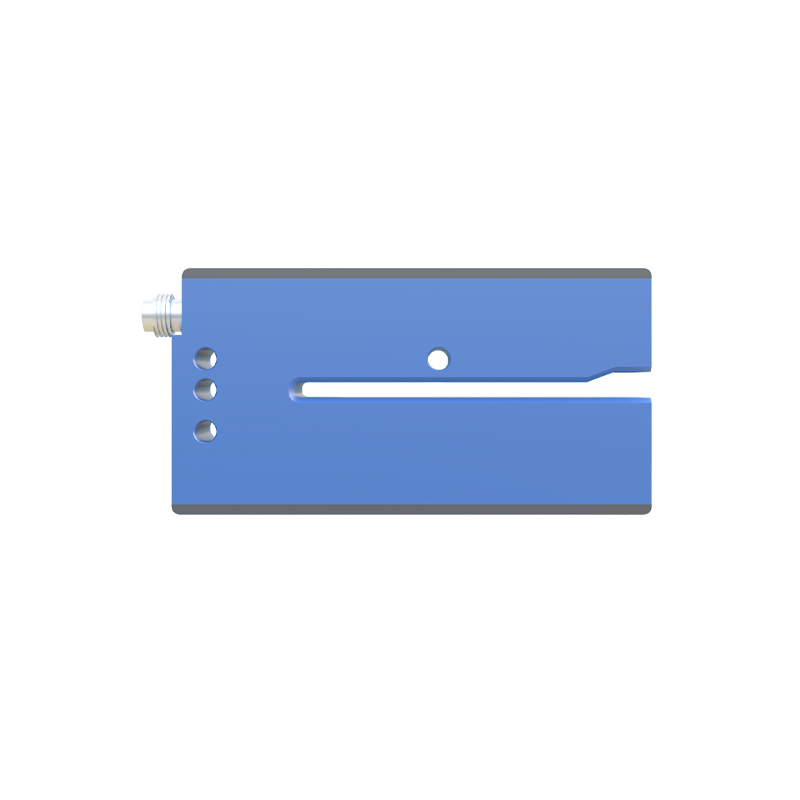
Price Range Breakdown by Sensor Type
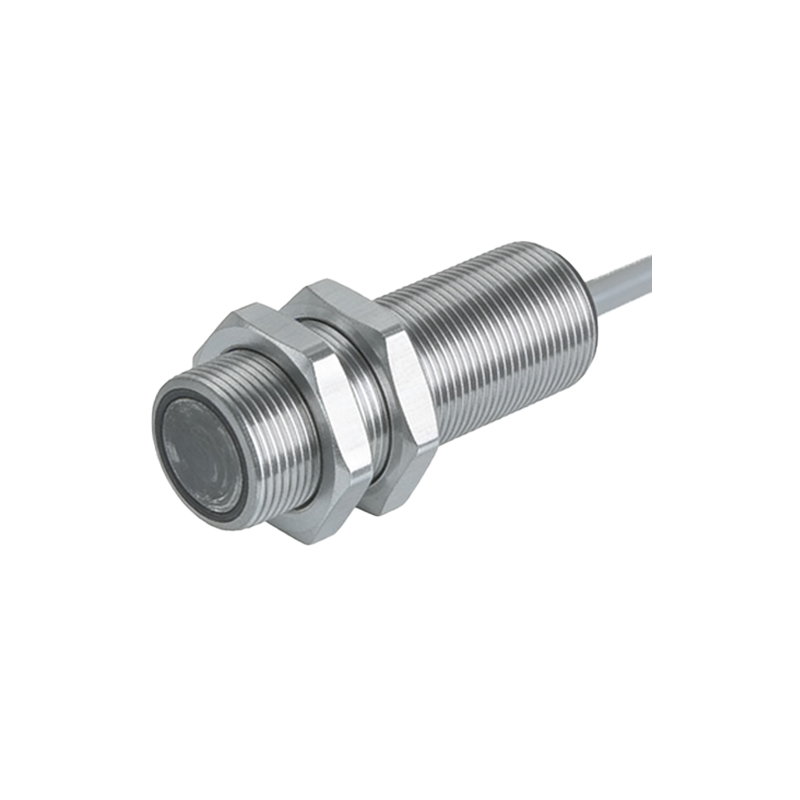
The market offers a wide range of photoelectric sensors catering to different budget and performance needs for aquaculture. Entry-level, basic diffuse sensors with a limited range (up to 1m) and IP65 rating can be found in the range of $20 to $50 per unit. These are suitable for simple on/off detection tasks near equipment. Mid-range sensors, featuring longer ranges (up to 5m), higher IP ratings (IP67), and more robust housings, typically fall between $50 and $150. This category is most common for core pond applications like level sensing and gate control. High-end photoelectric sensors, including specialized background suppression models for precise object discrimination or long-range through-beam kits for large pond perimeters, can cost anywhere from $150 to $500 or more. These are investments for large-scale commercial operations where precision and reliability are paramount.
The Cost of Integration and Ownership
When budgeting for photoelectric sensors, savvy engineers look beyond the initial purchase price (CAPEX) to consider the total cost of ownership (TCO). The sensor unit cost is just one component. Integration expenses include mounting brackets, cabling, conduit for protection, and the labor for installation. Furthermore, compatibility with existing Programmable Logic Controllers (PLCs) or control systems is crucial; a slightly more expensive sensor with the correct communication protocol can save significant programming and interface costs. Operational costs (OPEX) involve maintenance and potential downtime. A higher-quality, more expensive sensor with superior environmental sealing and durability will likely have a longer service life and require less maintenance, reducing long-term OPEX and preventing costly production interruptions in a fish pond environment.
Procurement Strategies and Supplier Selection
Developing an effective procurement strategy is key to managing sensor costs. For standard applications, sourcing from established industrial automation brands like Omron, Sick, or Banner Engineering ensures quality and reliability but at a premium price. Alternatively, many reputable generic or regional manufacturers offer sensors with comparable specifications at a 20-30% lower cost, which can be a viable option for non-critical applications. Evaluating suppliers based on technical support, warranty terms (often 1-3 years), and lead times is as important as comparing price lists. For large projects, requesting bulk purchase discounts or exploring OEM agreements can yield significant savings. It is also prudent to consider the supplier's expertise in aquaculture applications, as they can provide valuable guidance on sensor selection and placement.
Future Trends and Price Trajectory
The future of photoelectric sensors in aquaculture points towards smarter, more connected devices, which will influence pricing models. The integration of IO-Link communication is becoming increasingly common, adding a modest cost premium but providing detailed diagnostic data, parameterization capabilities, and simplified wiring. This intelligence can lead to long-term savings through predictive maintenance. While the core cost of standard sensor components may gradually decrease due to manufacturing efficiencies, the added value from smart features will sustain or increase prices for advanced models. Furthermore, the growing demand for sustainable aquaculture practices will drive the adoption of these sensors, potentially stabilizing market prices through economies of scale. The trend is towards a higher initial investment for a sensor that delivers greater operational efficiency and data insights over its lifespan.