Introduction to Photoelectric Slot Sensors
Photoelectric slot sensors, also known as through-beam sensors or fork sensors, are widely used in industrial automation for object detection, counting, and positioning. These sensors consist of an emitter and a receiver aligned within a U-shaped or slot-like housing, creating a precise detection zone. When an object interrupts the light beam between the emitter and receiver, the sensor triggers a signal. Their design allows for reliable operation in various environments, making them essential in manufacturing, packaging, and robotics. The price of these sensors is influenced by multiple factors, including technology type, performance specifications, and brand reputation. Understanding these elements helps in selecting cost-effective solutions without compromising on quality.
Key Factors Influencing Sensor Prices
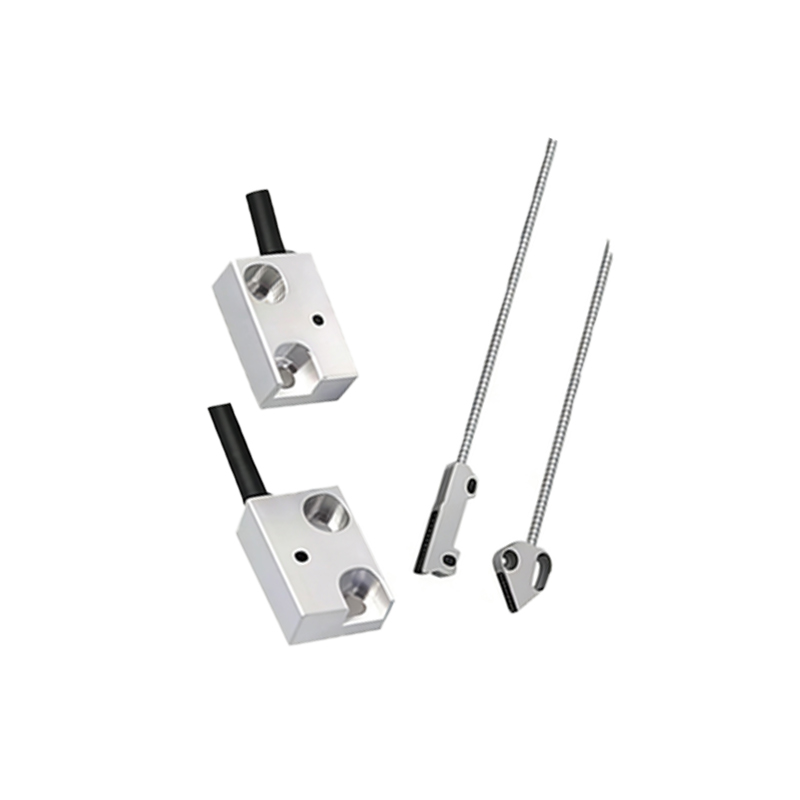
The cost of photoelectric slot sensors varies significantly based on several technical and market-driven factors. First, the sensing technology plays a crucial role: basic infrared sensors are generally more affordable, while advanced models with laser or fiber-optic components command higher prices due to enhanced precision and durability. Second, performance specifications such as sensing distance, response time, and environmental ratings (e.g., IP67 for dust and water resistance) impact pricing. Sensors with longer ranges or faster response times typically cost more. Third, brand and quality assurance affect prices; established manufacturers like Omron, Keyence, and Sick offer premium products at higher price points, whereas generic brands provide budget options with potentially lower reliability. Additionally, features like adjustable sensitivity, built-in amplifiers, or connectivity options (e.g., IO-Link) add to the cost. Market demand and supply chain conditions, including material shortages or geopolitical factors, can also cause price fluctuations.
Price Range and Market Segmentation
In the current market, photoelectric slot sensors are segmented into economy, mid-range, and high-end categories, each with distinct price brackets. Economy sensors, often from lesser-known brands or with basic functionalities, range from $20 to $50 per unit. These are suitable for simple applications with low precision requirements. Mid-range sensors, priced between $50 and $150, offer better performance, such as improved accuracy or additional features like temperature compensation, and are commonly used in standard industrial setups. High-end sensors, costing $150 to $500 or more, provide advanced capabilities like ultra-fast response, extreme environmental tolerance, or integration with smart systems. Bulk purchases or OEM agreements can reduce per-unit costs by 10-30%. It's important to note that prices may vary by region due to tariffs, logistics, and local market competition.
Cost-Benefit Analysis for Buyers
When evaluating photoelectric slot sensor prices, buyers should conduct a thorough cost-benefit analysis to ensure optimal value. While lower-priced sensors may reduce initial expenses, they could lead to higher long-term costs from frequent replacements or downtime due to failures. Investing in mid-range or high-end sensors from reputable brands often results in better reliability, longer lifespan, and reduced maintenance, ultimately lowering total cost of ownership. Key considerations include application requirements: for high-speed production lines, a faster sensor might justify a higher price by improving efficiency. Additionally, energy-efficient models can save on operational costs over time. Buyers are advised to request quotes from multiple suppliers, compare warranties, and consider after-sales support. In some cases, modular or customizable sensors might offer a balance between cost and functionality.
Future Trends and Price Predictions
The photoelectric slot sensor market is evolving with technological advancements, which will likely influence future pricing. Trends such as miniaturization, increased integration of IoT capabilities, and the use of AI for predictive maintenance are driving innovation. As these technologies become more widespread, prices for advanced sensors may gradually decrease due to economies of scale and competition. However, initial adoption phases might see premium pricing for cutting-edge features. Sustainability concerns are also prompting manufacturers to develop eco-friendly materials, potentially affecting costs. Overall, market analysts predict a moderate price decline for standard sensors over the next five years, while specialized models may remain stable or increase slightly. Staying informed about industry developments can help buyers make strategic purchasing decisions.