Introduction to Millimeter-Level Proximity Sensors
Millimeter-level proximity sensors are specialized devices designed to detect objects at extremely close ranges, typically within a few millimeters. These sensors play a critical role in applications requiring high precision, such as robotic assembly, semiconductor manufacturing, and medical equipment. Unlike standard proximity sensors that operate over centimeters or meters, millimeter-level variants offer unparalleled accuracy and repeatability, making them indispensable in industries where minute distances matter. Engineers often seek these sensors for tasks involving alignment, positioning, or quality control, where even a slight deviation can lead to significant operational failures. Understanding where to source these components is essential for optimizing system performance and ensuring reliability in demanding environments.
Key Applications and Industry Demand
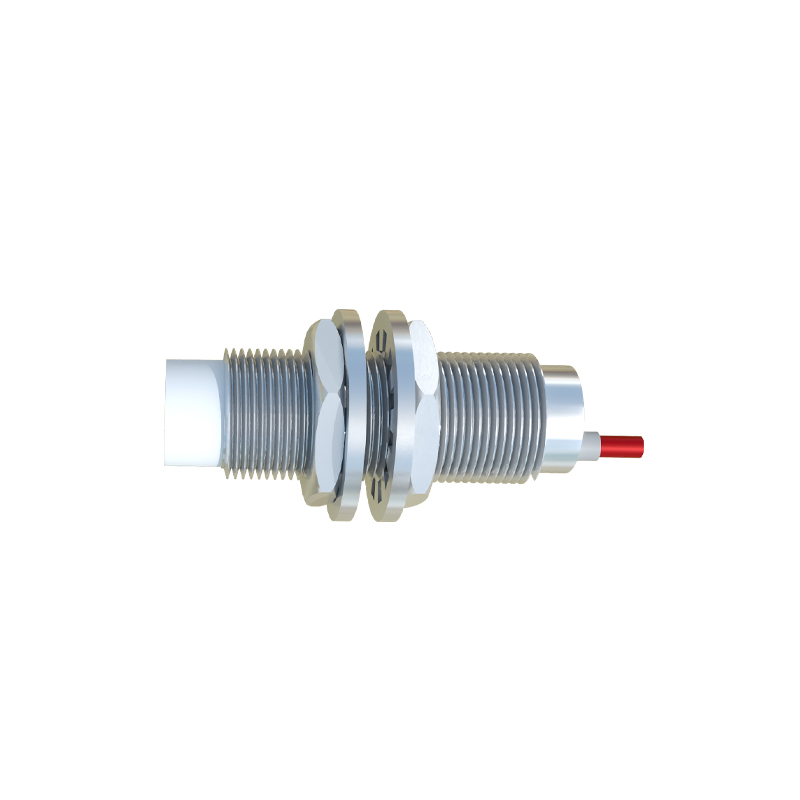
The demand for millimeter-level proximity sensors spans various sectors, driven by the need for automation and precision. In automotive manufacturing, these sensors are used to monitor brake pad wear or control robotic arms during delicate assembly processes. The electronics industry relies on them for PCB inspection and component placement, where tolerances are often less than a millimeter. Additionally, in aerospace and defense, they facilitate precise measurements in navigation systems and weaponry. Healthcare applications include surgical robots and diagnostic devices, where sensor accuracy directly impacts patient safety. As industries continue to advance toward Industry 4.0, the integration of IoT and smart factories further amplifies the need for reliable, high-resolution sensors, creating a growing market for suppliers and manufacturers.
Leading Manufacturers and Suppliers
Several global companies specialize in producing millimeter-level proximity sensors, offering a range of products tailored to specific needs. Key players include Omron, known for their E2E series with sub-millimeter detection capabilities, and Sick AG, which provides high-precision sensors for industrial automation. Balluff GmbH is another prominent supplier, offering inductive and capacitive sensors suitable for harsh environments. For custom solutions, companies like Pepperl+Fuchs and Turck Inc. develop sensors with adjustable sensing ranges and enhanced durability. Engineers can source these sensors directly from manufacturer websites, authorized distributors, or through online platforms like Digi-Key and Mouser Electronics, which stock a wide inventory with detailed technical specifications and support documentation.
Selection Criteria for Engineers
Choosing the right millimeter-level proximity sensor requires careful consideration of technical parameters. Key factors include sensing range, which should match the application's distance requirements, and output type, such as analog or digital signals for integration with control systems. Environmental conditions, like temperature extremes or exposure to chemicals, necessitate sensors with robust housing and IP ratings. Repeatability and response time are critical for high-speed operations, while mounting options and size constraints influence installation feasibility. Engineers should also evaluate cost-effectiveness, balancing performance with budget, and consider after-sales support, including calibration services and warranty terms. Consulting datasheets and application notes from manufacturers can aid in making informed decisions.
Procurement Channels and Market Trends
Procuring millimeter-level proximity sensors involves multiple channels, each with distinct advantages. Direct purchases from manufacturers ensure access to the latest models and technical support, but may involve longer lead times. Distributors and resellers offer faster delivery and localized service, often with competitive pricing. Online marketplaces provide convenience and broad selection, though verifying authenticity is crucial. Emerging trends, such as the adoption of MEMS technology and wireless sensors, are shaping the market, enabling smaller form factors and enhanced connectivity. Additionally, sustainability initiatives are driving demand for energy-efficient sensors with longer lifespans. Engineers should stay updated on industry developments through trade shows, technical journals, and professional networks to identify reliable sources and innovative solutions.
Conclusion and Future Outlook
Millimeter-level proximity sensors are vital components in modern engineering, enabling precision across diverse applications. Sourcing them effectively requires understanding industry-specific needs and leveraging reputable suppliers. As technology evolves, advancements in materials and miniaturization are expected to improve sensor performance and affordability. Engineers should prioritize ongoing education and collaboration with vendors to optimize system designs. By selecting appropriate sensors and procurement strategies, professionals can enhance operational efficiency and contribute to technological progress in their fields.