Introduction to Proximity Sensor Technology
Proximity sensors are vital components in modern industrial automation, providing non-contact detection of objects within a specific range. These devices are essential for ensuring safety, precision, and efficiency in manufacturing, packaging, automotive, and material handling systems. They operate on various principles, including inductive, capacitive, ultrasonic, and photoelectric sensing. Inductive sensors detect metallic objects, capacitive sensors can detect both metallic and non-metallic materials, ultrasonic sensors use sound waves for detection, and photoelectric sensors utilize light beams. The choice of sensor depends on factors such as the target material, required sensing distance, environmental conditions, and application-specific needs. Their ability to function without physical contact minimizes wear and tear, reduces maintenance costs, and enhances operational reliability in harsh industrial environments.
Key Selection Criteria for Proximity Sensors
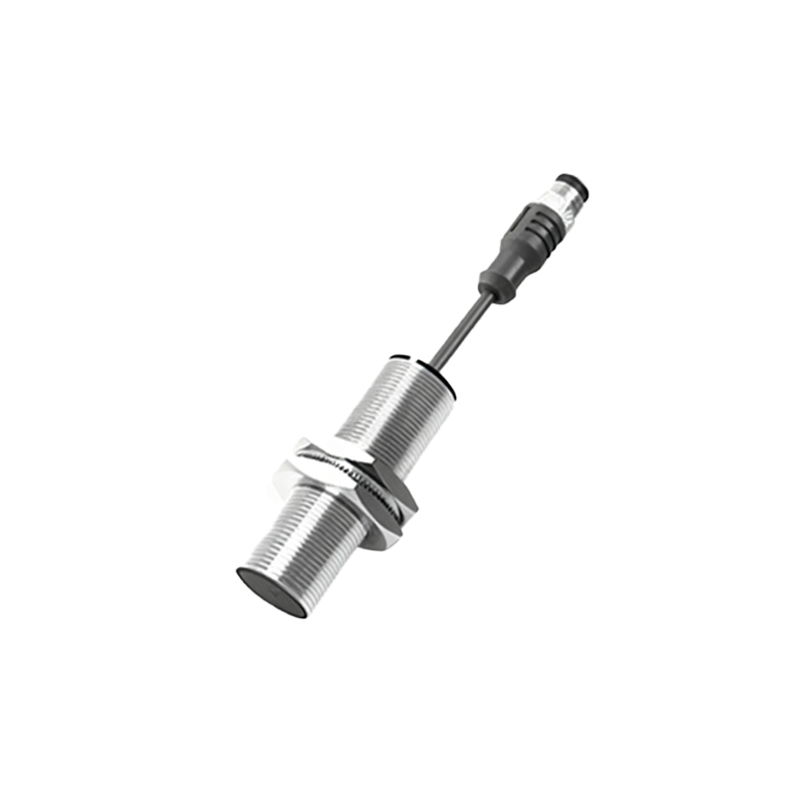
Selecting the right proximity sensor manufacturer involves evaluating several critical parameters. First, consider the sensing technology required for the application. Inductive sensors are ideal for metal detection in machine tools, while capacitive sensors suit level detection in liquid or powder containers. Second, the sensing distance and repeat accuracy are paramount for precision tasks. Environmental factors like temperature extremes, humidity, dust, and exposure to chemicals demand sensors with appropriate ingress protection (IP) ratings and robust housing materials such as stainless steel or PBT plastic. Electrical specifications, including operating voltage, output type (PNP/NPN, analog, IO-Link), and connection methods, must align with the control system. Finally, compliance with international standards (e.g., IEC, UL, CE) and the availability of technical support and customization options are crucial for seamless integration and long-term performance.
Leading Global Proximity Sensor Manufacturers
The market for proximity sensors is dominated by several established global players known for innovation, quality, and comprehensive product portfolios. Siemens AG (Germany) offers a vast range of SIMATIC sensors renowned for durability and seamless integration with their automation systems. Omron Corporation (Japan) is a pioneer in sensor technology, providing highly reliable and compact inductive and photoelectric sensors for diverse industries. Pepperl+Fuchs (Germany) specializes in factory automation sensors, particularly known for their expertise in intrinsic safety and hazardous area applications. Rockwell Automation (Allen-Bradley brand, USA) delivers robust sensors designed for heavy-duty industrial environments, often featuring advanced diagnostics. Balluff GmbH (Germany) is recognized for high-precision sensors and innovative solutions like RFID systems integrated with sensing technology. These manufacturers set industry benchmarks for performance and reliability.
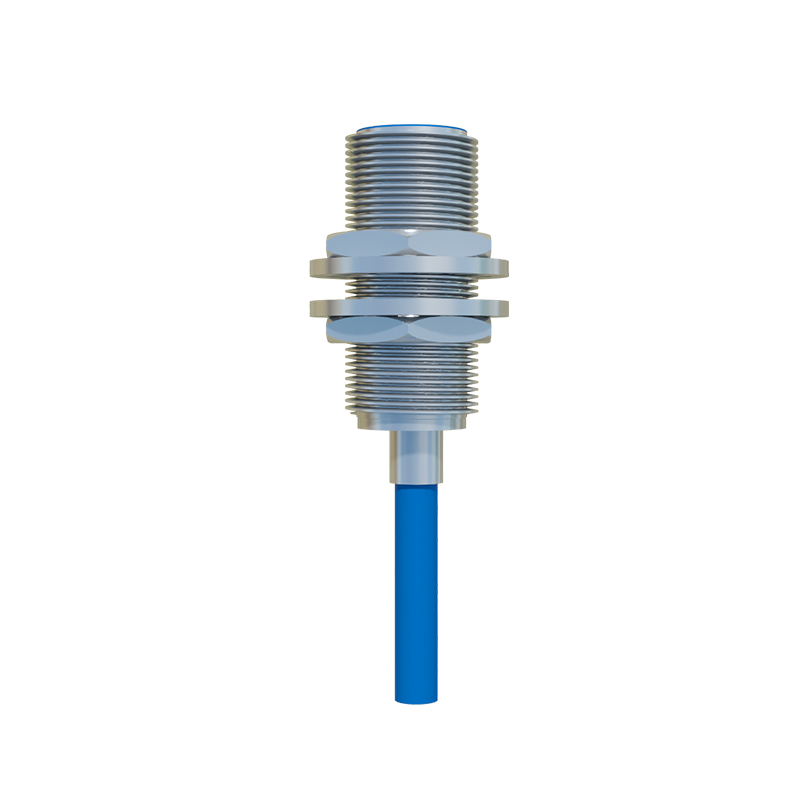
Specialized and Niche Market Manufacturers
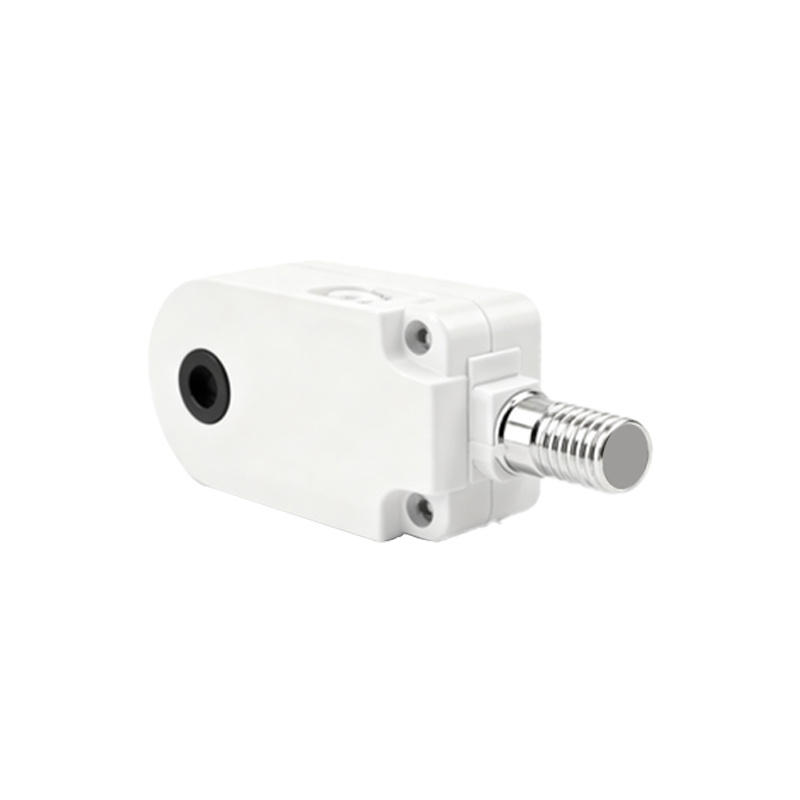
Beyond the giants, several specialized manufacturers excel in particular niches or offer unique technological advantages. Turck GmbH (Germany) provides a wide array of high-performance sensors with exceptional resistance to harsh conditions, including washdown and extreme temperatures. SICK AG (Germany) is a leader in sensor intelligence, offering sophisticated photoelectric and ultrasonic sensors for complex automation and logistics tasks. ifm electronic GmbH (Germany) focuses on user-friendly, IO-Link enabled sensors that simplify condition monitoring and predictive maintenance. Keyence Corporation (Japan) stands out for its high-precision, innovative sensor solutions often used in electronics assembly and precision measurement. Banner Engineering Corp. (USA) is highly regarded for its photoelectric sensors and comprehensive technical support network. These companies often drive innovation in specific applications like food & beverage, pharmaceuticals, or cleanroom environments.
Important Considerations for Procurement
Procuring proximity sensors requires a strategic approach beyond just selecting a brand. Evaluate the total cost of ownership, which includes not only the initial purchase price but also installation, maintenance, and potential downtime costs. Consider the manufacturer's global supply chain stability and local distributor network for prompt delivery and support. Assess the compatibility of the sensor with existing machinery and control architectures. The availability of detailed documentation, configuration software, and training resources is vital for efficient deployment. Furthermore, inquire about warranty terms and the manufacturer's commitment to product lifecycle management. For large-scale or critical applications, requesting product samples for on-site testing is a highly recommended practice to validate performance under real operating conditions before full-scale procurement.
Future Trends in Proximity Sensing
The future of proximity sensors is intertwined with Industry 4.0 and the Industrial Internet of Things (IIoT). Manufacturers are increasingly integrating smart features like IO-Link communication, which enables detailed parameter setting, real-time process data monitoring, and advanced diagnostics directly from the sensor to the control system. Miniaturization continues, allowing sensors to fit into increasingly compact machinery. There is also a growing demand for sensors with enhanced hygiene designs (easy to clean, crevice-free) for the food and pharmaceutical sectors. Additionally, the development of sensors capable of withstanding higher temperatures and more aggressive chemicals is ongoing. The convergence of sensing