Introduction to Photoelectric Sensors and Solenoid Valves
Photoelectric sensors are pivotal components in modern industrial automation, utilizing light beams to detect the presence, absence, or distance of objects. These sensors operate by emitting a light source, typically infrared, visible red, or laser light, and then measuring the reflected or interrupted light signal. Their non-contact nature, high precision, and rapid response time make them ideal for a wide array of applications, from packaging lines to material handling systems. On the other hand, solenoid valves are electromechanically operated valves used to control the flow of liquids or gases. They function by converting electrical energy into mechanical motion—when energized, a magnetic field moves a plunger to open or close the valve orifice. The integration of photoelectric sensors to control these valves creates a robust, automated system for precise fluid or pneumatic control based on object detection.
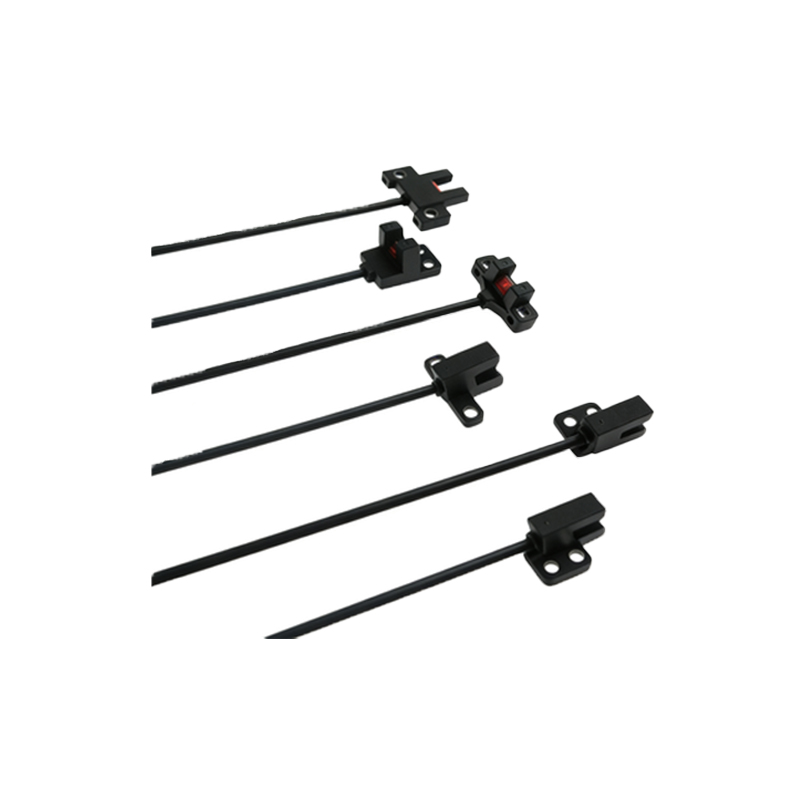
Working Principle of the Control System
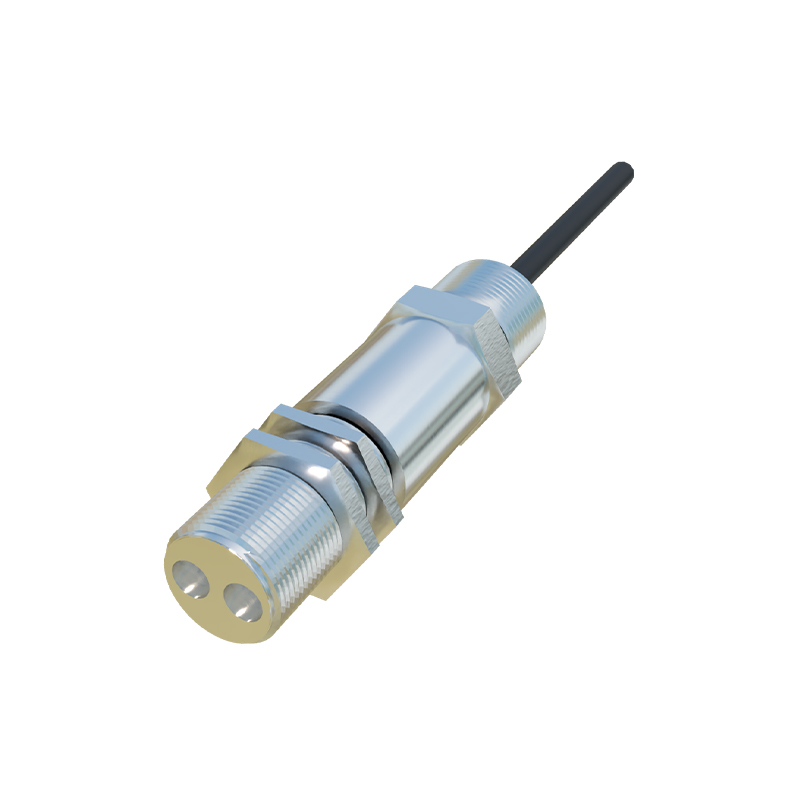
The core principle involves the photoelectric sensor acting as the "eye" of the system, providing a digital or analog signal to a control unit, such as a Programmable Logic Controller (PLC) or a dedicated relay module. When the sensor detects a target object—for instance, a product on a conveyor belt—it sends a signal. This signal is processed by the control logic. If the conditions are met (e.g., object present at a specific location), the control unit energizes the coil of the solenoid valve. This activation causes the valve to change state, either opening to allow flow (for dispensing, cooling, or actuating a cylinder) or closing to stop it. The system's response is nearly instantaneous, enabling high-speed automation cycles. Key sensor types used include through-beam (for long-range, high-accuracy detection), retro-reflective (using a reflector), and diffuse reflective (detecting the object itself).
System Design and Component Selection
Designing an effective photoelectric sensor-controlled solenoid valve system requires careful component selection. For the photoelectric sensor, factors such as sensing distance, response time, light source type, and environmental robustness (IP rating, resistance to dust, moisture, or ambient light interference) must be considered. For the solenoid valve, critical parameters include the media type (air, water, oil), pressure range, orifice size, voltage rating (commonly 12VDC or 24VDC for compatibility with sensor outputs), and valve action (normally open or normally closed). The interconnecting control logic is equally vital. A simple system might use the sensor's output directly to drive a relay, which then powers the valve. More complex setups involve a PLC, allowing for advanced sequencing, timing functions, and integration with broader supervisory systems (SCADA).
Wiring and Electrical Integration
Proper electrical integration is crucial for reliable operation. Typically, a three-wire DC photoelectric sensor with NPN (sinking) or PNP (sourcing) output is employed. The sensor's power supply (e.g., 24VDC) is connected, along with its output wire. This output wire is linked to the input channel of a PLC or to the coil terminal of an intermediate relay. The solenoid valve coil is then connected through the relay's contacts or a PLC output module. It is essential to include protective components such as flyback diodes across the solenoid coil to suppress voltage spikes generated when the coil is de-energized, which could otherwise damage the sensor or control electronics. Adherence to electrical standards and proper grounding ensures safety and minimizes electromagnetic interference.
Application Examples in Industry
This control paradigm finds extensive use across industries. In bottling plants, a photoelectric sensor detects bottles moving on a filler line; upon detection, it triggers a solenoid valve to open, dispensing a precise volume of liquid into each bottle. In automated assembly, sensors detect a component in place, signaling a valve to actuate a pneumatic cylinder that presses or inserts the part. In packaging machinery, the system can control the release of adhesive or the operation of sealing mechanisms based on box presence. Another critical application is in safety interlocks, where a sensor detecting an operator's hand in a hazardous area can immediately close a valve, cutting off pneumatic or hydraulic power to moving parts.
Advantages and Benefits
The primary advantage of using photoelectric sensors for solenoid valve control is the achievement of high-speed, contactless, and reliable automation. It enhances system flexibility, as sensor sensitivity and timing can be easily adjusted without mechanical changes. This leads to increased production efficiency, reduced waste (through precise control), and lower maintenance costs compared to mechanical limit switches. The non-contact sensing also minimizes wear and tear, extending the lifecycle of both the sensor and the triggered machinery. Furthermore, such systems contribute to improved safety by enabling precise machine control and emergency stop functions.
Troubleshooting and Maintenance
Common issues in these systems often stem from misalignment of the photoelectric sensor, accumulation of dirt on the lens, or electrical faults. Regular maintenance should include cleaning sensor lenses, checking for loose wiring connections, and verifying the sensor's alignment and sensing range. If a solenoid valve fails to actuate, diagnostics should check for power at the sensor output, continuity at the valve coil, and proper signal from the control unit. Monitoring for unusual heat from the valve coil can indicate over-voltage or a stuck plunger. Utilizing sensors with built-in diagnostic LEDs greatly simplifies troubleshooting by indicating power status and output activation.
Future Trends and Conclusion
The future of photoelectric sensor and solenoid valve integration is leaning towards increased intelligence and connectivity. The advent of IO-Link enabled sensors allows for detailed parameter setting, remote monitoring, and predictive maintenance data exchange directly with the control system. Smart sensors with advanced diagnostics can pre-alert operators to degrading performance. Similarly, compact, energy-efficient, and digitally addressable solenoid valves are becoming more prevalent. Together, they form a cornerstone of Industry 4.0, enabling more adaptive, efficient, and data-driven industrial automation systems. In conclusion, the precise control of solenoid valves via photoelectric sensors is a fundamental and evolving technology that drives reliability and efficiency in modern automated processes.