Introduction to ChangLai Photoelectric Sensors
In the realm of industrial automation, photoelectric sensors stand as critical components for detection, measurement, and control applications. Among the prominent manufacturers, ChangLai has established a reputation for producing high-quality, reliable photoelectric sensors that cater to diverse industrial needs. These devices operate by emitting a light beam—typically infrared, visible red, or laser—and detecting changes in the received light intensity caused by the presence, absence, or distance of an object. ChangLai sensors are engineered to deliver precise performance even in challenging environments, making them indispensable in sectors such as packaging, material handling, automotive manufacturing, and food processing. Their robust design ensures longevity and minimal maintenance, which is essential for continuous production lines where downtime can be costly.
Core Technologies and Working Principles
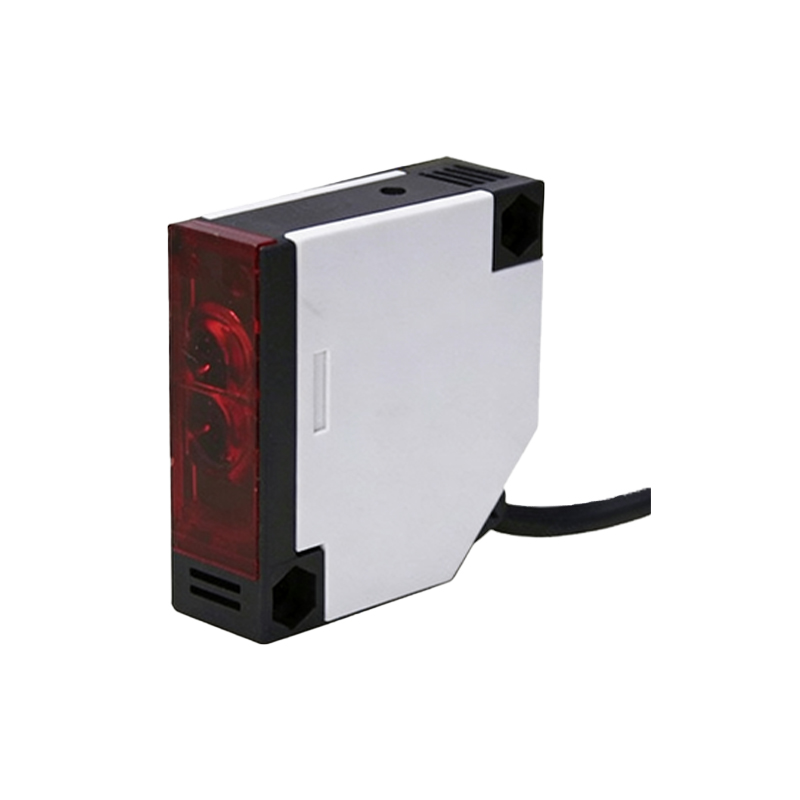
ChangLai photoelectric sensors utilize advanced optical and electronic technologies to achieve accurate detection. The fundamental working principle involves three main types: through-beam, retro-reflective, and diffuse reflective sensors. Through-beam sensors consist of separate emitter and receiver units; the object is detected when it interrupts the light beam. This type offers the longest sensing range and high reliability. Retro-reflective sensors incorporate both emitter and receiver in a single housing, using a reflector to bounce the light back. They are ideal for detecting objects that may not fully block the beam. Diffuse reflective sensors detect objects by measuring the light reflected directly from the target's surface, suitable for close-range applications. ChangLai integrates features like background suppression and foreground suppression in diffuse models to ignore irrelevant surfaces, enhancing precision. Additionally, their sensors often include adjustable sensitivity, time delays, and output configurations (e.g., NPN/PNP) to adapt to specific operational requirements.
Key Features and Performance Advantages
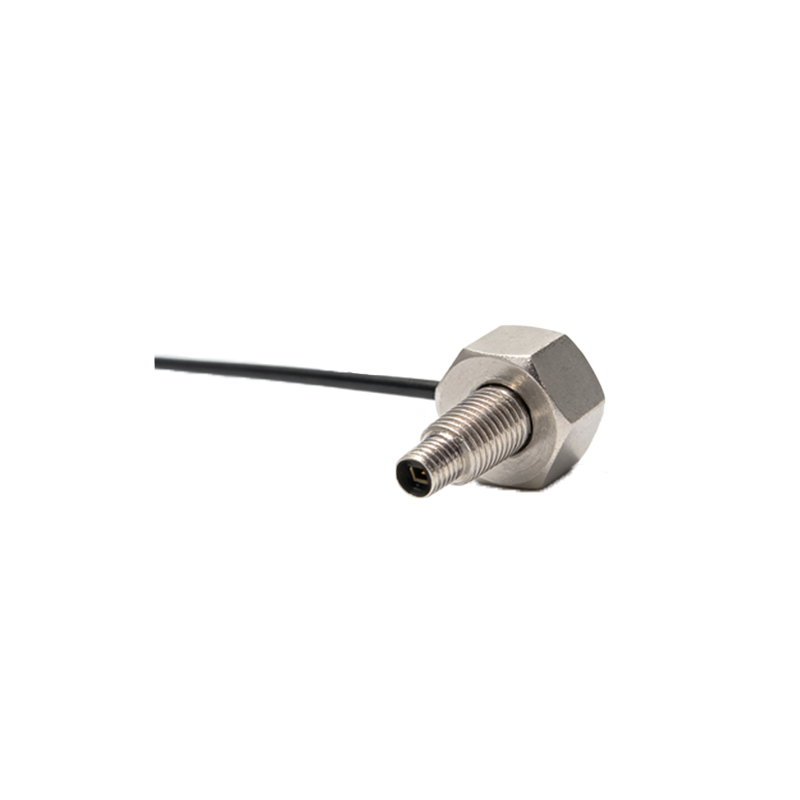
ChangLai photoelectric sensors are distinguished by several key features that contribute to their superior performance. First, they offer high immunity to ambient light interference, thanks to modulated LED light sources and sophisticated filtering circuits. This ensures stable operation under varying lighting conditions, such as in outdoor settings or brightly lit factories. Second, many models are built with rugged housings rated IP67 or higher, providing resistance to dust, water, and mechanical shocks. This durability is crucial for harsh industrial environments where sensors are exposed to moisture, vibrations, or contaminants. Third, ChangLai emphasizes energy efficiency, with low power consumption designs that reduce operational costs and support sustainable practices. Furthermore, their sensors boast fast response times, often in the microsecond range, enabling high-speed detection for rapid production processes. The integration of smart diagnostics, such as LED indicators for alignment and status, simplifies installation and troubleshooting, minimizing setup time and maintenance efforts.
Applications Across Various Industries
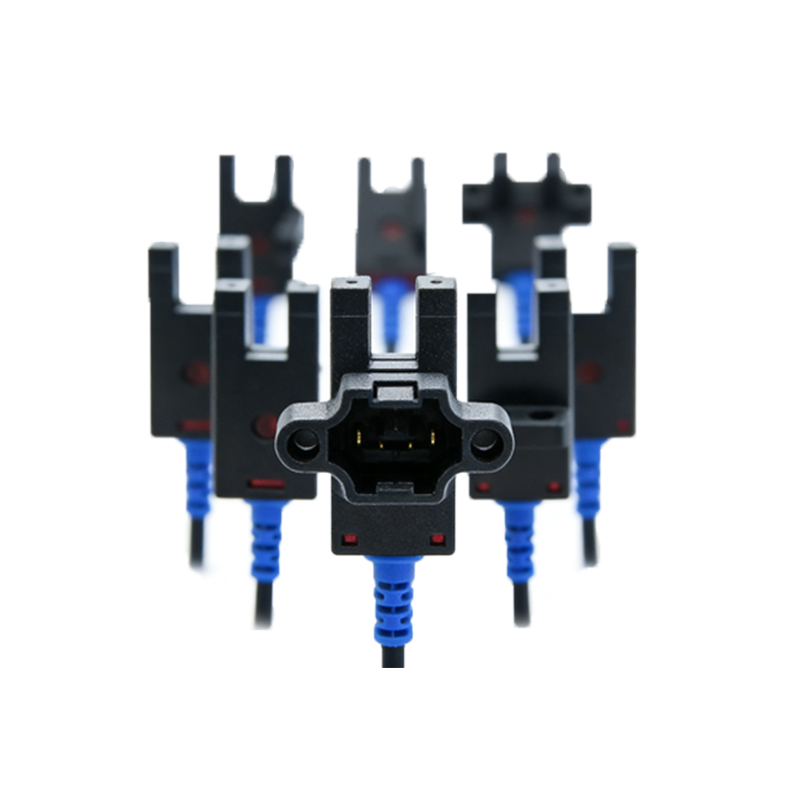
The versatility of ChangLai photoelectric sensors allows them to be deployed in a wide array of industrial applications. In packaging lines, they are used to detect product presence, count items, and control filling levels, ensuring efficient and accurate packaging operations. In automotive manufacturing, these sensors facilitate precise positioning of components, monitor assembly processes, and inspect part dimensions, contributing to quality control and safety. The food and beverage industry benefits from their hygienic designs, which are easy to clean and resistant to washdowns, making them suitable for detecting containers on conveyor belts or monitoring liquid levels. Additionally, in logistics and warehousing, ChangLai sensors enable object detection in automated guided vehicles (AGVs) and sorting systems, enhancing material flow and inventory management. Their adaptability to different object materials—including transparent, glossy, or dark surfaces—further expands their utility, supported by customizable sensing ranges and output signals.
Selection Guidelines and Installation Tips
Choosing the right ChangLai photoelectric sensor involves considering several factors to match the application needs. Start by determining the sensing type: through-beam for long-range and high-accuracy tasks, retro-reflective for moderate distances with reflective targets, or diffuse reflective for short-range detection without a separate reflector. Evaluate the sensing distance required, keeping in mind that environmental factors like dust or fog may reduce effective range. The object's size, color, and material also influence sensor selection; for instance, transparent objects may require specialized sensors with polarized filters. When installing, ensure proper alignment between emitter and receiver (for through-beam and retro-reflective types) to avoid false triggers. Mount the sensor securely to prevent vibrations from affecting performance, and use protective accessories like mounting brackets or shrouds if needed. Regularly clean the lens to maintain optical clarity, and verify settings such as sensitivity and output mode during commissioning. Following these guidelines helps optimize sensor lifespan and reliability.
Future Trends and Innovations
As industrial automation evolves, ChangLai continues to innovate in photoelectric sensor technology to meet emerging demands. One significant trend is the integration of Industry 4.0 capabilities, such as IoT connectivity and data analytics. Future sensors may feature embedded communication protocols like IO-Link, enabling real-time monitoring, predictive maintenance, and seamless integration with control systems. This allows for remote configuration and diagnostics, reducing downtime and improving operational efficiency. Another area of development is miniaturization, with compact sensor designs that fit into space-constrained applications without compromising performance. Enhanced sensing algorithms are also being explored to improve accuracy for complex objects or in noisy environments. Additionally, ChangLai is focusing on sustainability by using eco-friendly materials and reducing energy consumption further. These advancements position ChangLai photoelectric sensors as vital tools for smart factories, supporting automation trends like collaborative robotics and flexible manufacturing systems.
Conclusion and Reliability Assurance
ChangLai photoelectric sensors represent a blend of precision engineering, durability, and adaptability, making them a trusted choice for industrial automation worldwide. Their ability to perform consistently under diverse conditions—from clean rooms to rugged outdoor sites—underscores their reliability. By offering a comprehensive range of models with customizable features, ChangLai ensures that users can find solutions tailored to specific challenges. The company's commitment to quality is backed by rigorous testing standards and certifications, ensuring compliance with international safety and performance norms. For businesses seeking to enhance automation efficiency, reduce costs, and improve product quality, investing in ChangLai photoelectric sensors is a strategic decision. As technology progresses, these sensors will continue to play a pivotal role in driving innovation and productivity across industries, solidifying their status as essential components in modern manufacturing and beyond.