Understanding Square Proximity Sensors
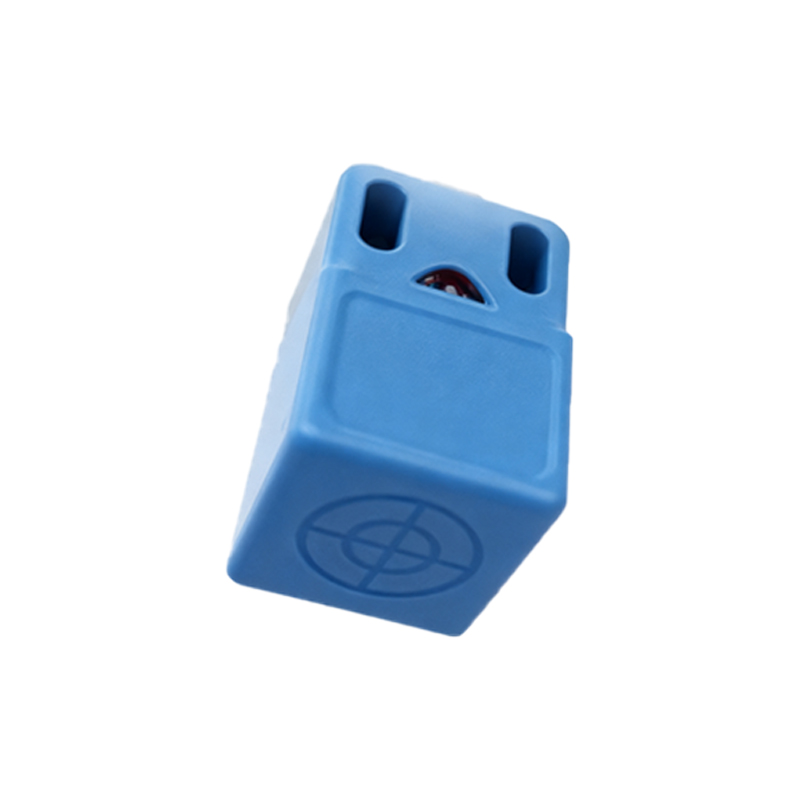
Square proximity sensors are a specialized category of non-contact detection devices, characterized by their distinct rectangular or square housing. This form factor is not merely an aesthetic choice; it often provides a larger sensing face compared to cylindrical counterparts, which can influence the shape and size of the detection field. These sensors are engineered to detect the presence or absence of a target object within a specified distance without any physical contact. The 10cm detection range represents a common and highly practical specification for many industrial automation, material handling, and safety applications. This range strikes an optimal balance between reliable detection and operational flexibility, making these sensors versatile components in complex systems.
Key Operating Principles
The majority of square proximity sensors achieving a 10cm range utilize inductive, capacitive, or ultrasonic principles. Inductive sensors are predominant for detecting metallic objects. They generate an electromagnetic field from a coil within the square housing. When a metal target enters this field, eddy currents are induced, causing a change in the oscillation amplitude. This change is processed by the sensor's circuitry to trigger a solid-state output switch. For non-metallic targets like wood, plastic, or liquids, capacitive sensors are employed. They function by detecting changes in capacitance caused by the target material altering the electrostatic field between the sensor's electrodes. Ultrasonic sensors, another option, measure the time-of-flight of sound waves to determine distance, offering precise 10cm positioning for a wide variety of materials.
Advantages of the 10cm Sensing Range
A 10cm (approximately 4 inches) detection distance offers significant advantages in industrial settings. It provides a sufficient safety margin, allowing machinery to react or stop before a collision occurs, thereby protecting both equipment and personnel. This range is ideal for applications involving moderate-speed conveyors, robotic arm positioning, and automated guided vehicle (AGV) docking. It allows for detection before physical contact, reducing wear and tear on both the sensor and the target. Furthermore, the square design often facilitates easier mounting and alignment on flat surfaces or within machinery frames compared to cylindrical sensors, which may require special brackets. The combination of this form factor and range ensures reliable operation even in environments with minor misalignment or vibration.
Critical Selection Criteria
Selecting the right square proximity sensor for a 10cm application requires careful consideration of several parameters beyond just the shape and range. The sensing principle must match the target material. The output type (e.g., NPN, PNP, NO, NC) must be compatible with the control system's PLC or input card. Environmental factors are paramount; sensors are rated with an Ingress Protection (IP) code (e.g., IP67) indicating their resistance to dust and water. For harsh environments involving coolants, oils, or chemical sprays, a high IP rating and suitable housing material (like stainless steel or ruggedized plastic) are essential. Additionally, factors like switching frequency, temperature tolerance, and electrical noise immunity must be evaluated to ensure long-term, stable performance in the specific application.
Typical Industrial Applications
Square proximity sensors with a 10cm range are ubiquitous in modern factories. Common applications include position verification on assembly lines, such as confirming a pallet is in place before a robotic operation begins. They are used for end-of-travel detection on linear actuators and slides. In packaging machinery, they detect the presence of boxes or products at critical control points. Their robust square housing makes them suitable for safety interlocks on machine guards and doors, ensuring the guard is closed before machine initiation. The 10cm range is particularly useful in automated storage and retrieval systems (AS/RS) for precise positioning of shuttles and lifts, preventing costly impacts and ensuring smooth material flow.
Installation and Alignment Best Practices
Proper installation is crucial to achieve the stated 10cm sensing range reliably. The sensor should be mounted securely to minimize vibration, which can affect performance. The sensing face must be parallel to the target's approach path for optimal detection. It is critical to maintain the specified gap between the sensor and the target; mounting the sensor too close can cause physical damage, while excessive distance may lead to unreliable detection. Installers must account for the sensor's "dead band" or blind zone immediately in front of the face. Adequate clearance around the sensor is necessary, especially for inductive types, as nearby metal (ferrous or non-ferrous) can influence the sensing field and reduce the effective range. Always refer to the manufacturer's datasheet for specific mounting dimensions and field characteristics.
Maintenance and Troubleshooting Tips
While known for durability, square proximity sensors require periodic checks. Routine maintenance