Understanding the Core Technology
Proximity infrared (IR) sensors are non-contact detection devices that utilize infrared light to determine the presence or absence of an object within a specified range. At the heart of these sensors lies an IR emitter, typically an infrared LED, and an IR receiver, often a phototransistor or photodiode. The fundamental principle involves the emission of an infrared light beam. When an object enters the sensor's detection field, it reflects a portion of this emitted light back towards the receiver. The sensor's internal circuitry then processes this reflected signal. Some models operate on the intensity of the reflected light, triggering an output when the reflection surpasses a set threshold. More advanced versions use modulated IR signals to filter out ambient light interference, significantly enhancing reliability and detection accuracy in various lighting conditions. This modulation technique is crucial for distinguishing the sensor's own signal from other IR sources in the environment, such as sunlight or artificial lighting.
Key Operational Modes and Characteristics
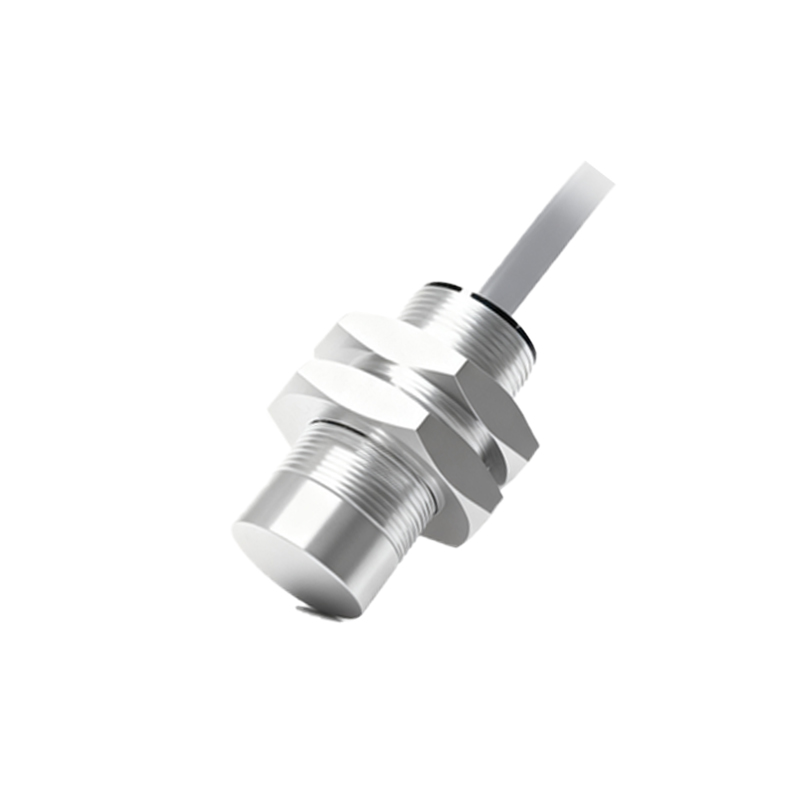
These sensors primarily function in two distinct modes: diffuse reflective and retro-reflective. The diffuse reflective type, the most common for proximity sensing, houses both the emitter and receiver in a single unit. Detection occurs when the target object reflects the emitted beam back to the co-located receiver. The sensing distance is influenced by the object's size, color, and surface texture, with lighter, more reflective materials typically yielding longer ranges. In contrast, retro-reflective models require a separate reflector installed opposite the sensor. The sensor detects an object when it interrupts the continuous beam between the sensor head and the reflector. This mode allows for longer, more stable detection distances and is less sensitive to the object's surface properties. Key performance characteristics include sensing distance, repeat accuracy, response time, and environmental ratings like IP (Ingress Protection) for dust and water resistance, which are critical for industrial deployment.
Industrial and Commercial Applications
The application spectrum for proximity IR sensors is vast and integral to modern automation. In manufacturing and packaging lines, they are indispensable for object counting, jam detection, and verifying the presence of components on conveyor belts. Robotics extensively uses these sensors for obstacle avoidance and precise positioning of robotic arms. In the consumer electronics and appliance sector, they enable touchless interfaces, such as automatic faucets, soap dispensers, paper towel dispensers, and hands-free operation of interactive kiosks or screens. Automotive applications include occupancy detection for airbag systems and obstacle detection in parking assistance features. Furthermore, they play a vital role in security systems for intrusion detection and in building automation for energy-saving lighting control, activating lights only when occupancy is sensed.
Critical Selection Criteria for Engineers
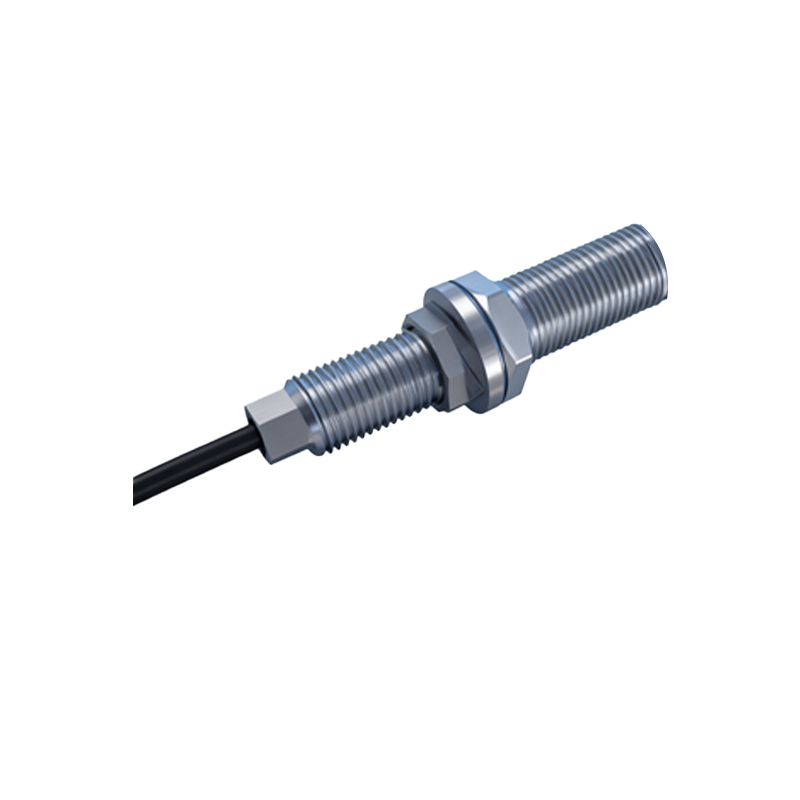
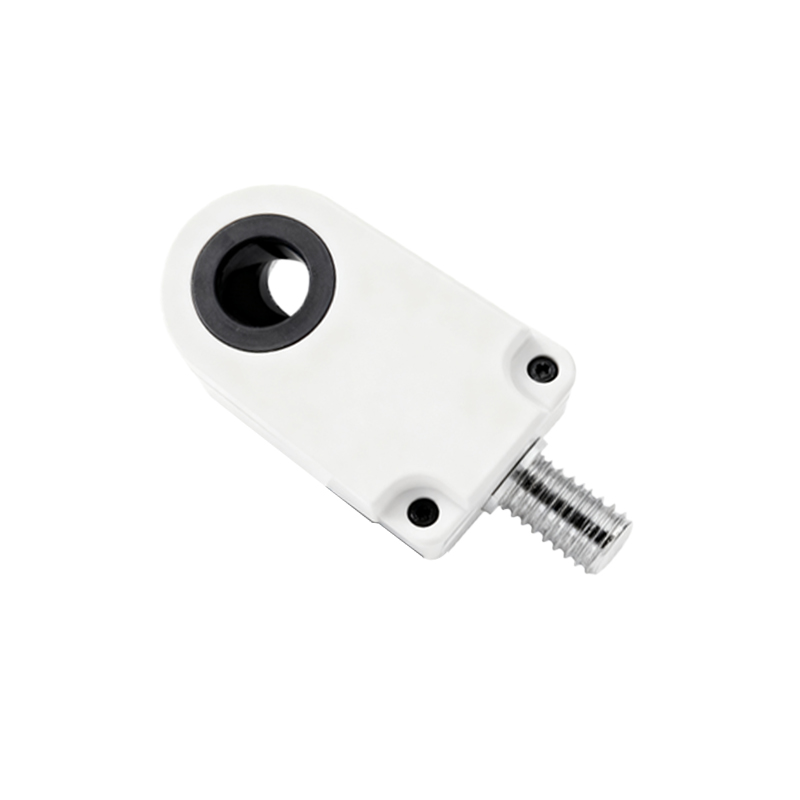
Selecting the appropriate proximity IR sensor requires a careful analysis of several technical parameters. First, define the required sensing distance and ensure the chosen sensor's nominal range has a sufficient safety margin for the application. The size, material, and color of the target object directly impact performance; testing with the actual object is highly recommended. The required output type—digital (PNP/NPN) or analog—must match the control system's input card. Environmental factors are paramount: consider operational temperature range, potential exposure to dust, oils, or water (specified by IP rating), and the level of ambient light or other IR noise. For high-speed applications, a fast response time is essential. Finally, the physical form factor, including housing style (cylindrical or rectangular) and connection method (connector or cable), must suit the mechanical constraints of the installation.
Installation Best Practices and Troubleshooting
Proper installation is key to reliable sensor operation. Ensure the sensor is mounted securely to prevent vibration-induced false triggers. For diffuse sensors, align the sensor axis perpendicular to the target's approach path for optimal reflection. Maintain a clean lens surface, as dirt, dust, or condensation can scatter or attenuate the IR beam, reducing effective range. Avoid mounting sensors facing each other to prevent crosstalk. Common issues include reduced sensing distance and erratic triggering. Troubleshooting should start with verifying the power supply voltage and connections. Check for environmental contaminants on the lens. For modulated sensors, ensure no strong, flickering ambient light sources (like fluorescent lamps) are interfering. If the sensor detects objects inconsistently, verify the object's surface properties and adjust the sensitivity potentiometer, if available, to fine-tune the detection threshold for the specific target.