Introduction to Photoelectric Color Sensors
Photoelectric color sensors are advanced devices that detect and differentiate colors by analyzing the light reflected from an object's surface. Unlike standard photoelectric sensors that primarily detect presence or absence based on light intensity, color sensors incorporate specialized components to evaluate specific wavelengths. The core principle involves emitting white light, typically from an LED source, onto a target. The reflected light is then separated into its red, green, and blue (RGB) components using filters or a spectrometer. By comparing the intensity of these RGB components to pre-programmed reference values, the sensor can accurately identify colors. This technology has evolved significantly, moving from basic color detection to precise color matching and shade differentiation, making it indispensable in modern automated quality control and sorting systems.
Core Technology and Working Principle
The operational heart of a photoelectric color sensor is its optical system and processing unit. Most industrial color sensors utilize a tri-color (RGB) LED that sequentially emits red, green, and blue light or a white LED combined with a color filter array. The light reflected from the object is captured by a photodiode or a compact CMOS sensor. The key metric is the reflected light's chromaticity, which is independent of surface texture or minor distance variations. Advanced sensors convert the received RGB signals into a standardized color space, such as CIE XYZ or L*a*b*, for consistent and accurate evaluation. This allows for reliable recognition even under varying ambient light conditions, as many sensors feature ambient light suppression and automatic calibration routines. The output is typically a discrete signal (e.g., a specific voltage or a digital communication protocol message) indicating the detected color.
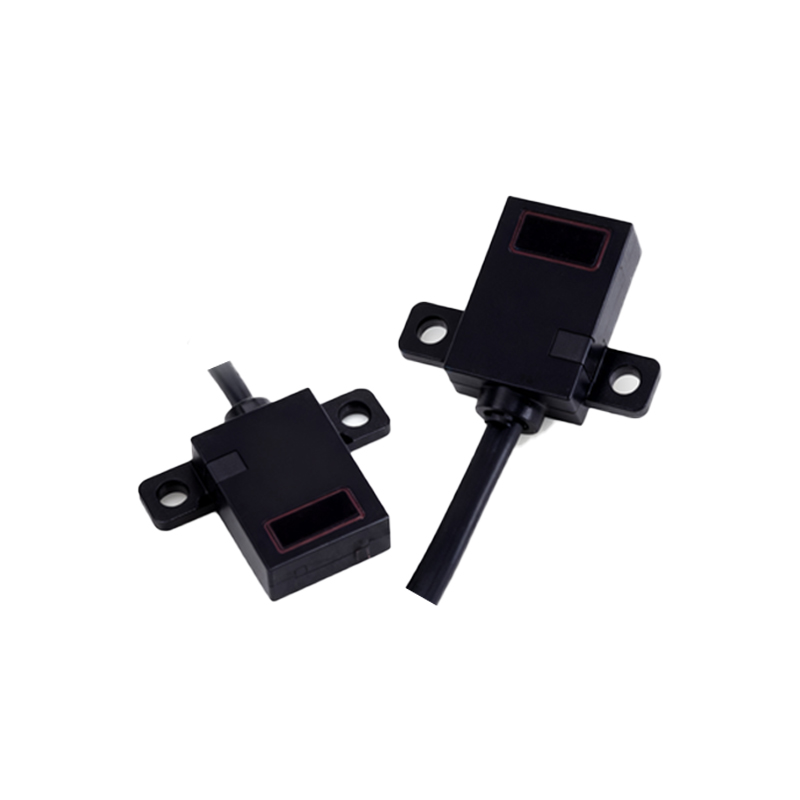
Key Advantages in Industrial Automation
Integrating color recognition capabilities into photoelectric sensors offers numerous benefits for factory automation. First, it enables highly precise sorting and inspection tasks that were previously impossible with monochrome sensors. For instance, in packaging, sensors can verify correct label colors or detect mismatched product caps. Second, it reduces the need for complex, multi-sensor setups; a single color sensor can often replace several standard sensors. This simplifies system design, lowers installation costs, and minimizes maintenance. Furthermore, modern color sensors are robust, with high IP ratings for resistance to dust, moisture, and vibration, ensuring reliable performance in harsh industrial environments. Their fast response times, often in the microsecond range, make them suitable for high-speed production lines without compromising throughput.
Typical Application Scenarios
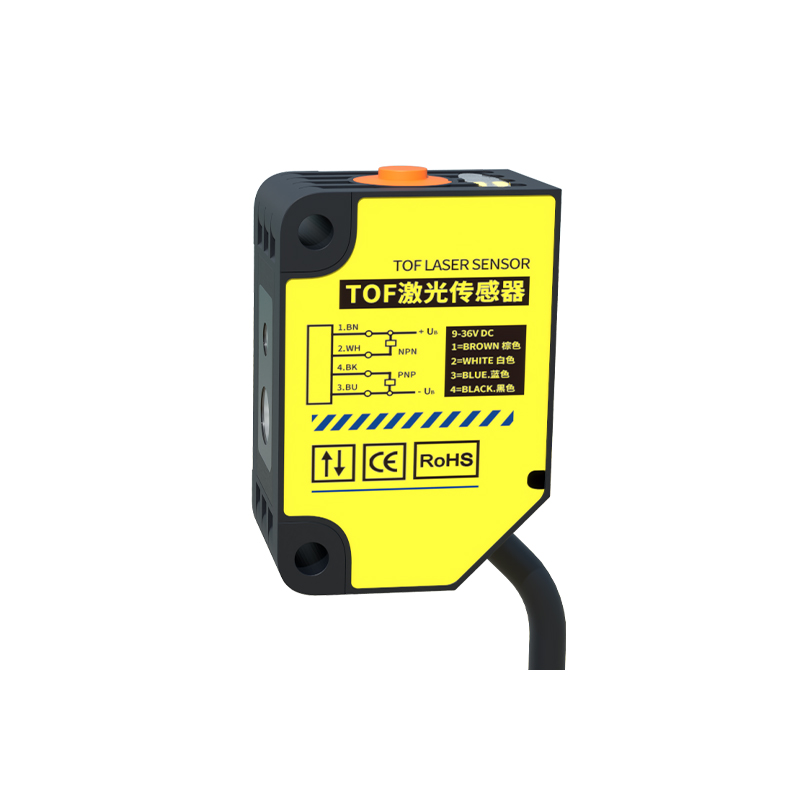
The applications of photoelectric color sensors span a wide range of industries. In the automotive sector, they are used to verify the color of wiring harnesses, connectors, and painted components. The food and beverage industry relies on them for sorting fruits, vegetables, and candies by ripeness or type based on color, and for checking packaging and label correctness. In pharmaceutical manufacturing, they ensure the correct color coding of pills and capsules, a critical safety check. Electronics assembly lines use these sensors to identify components with different colored housings or to inspect solder mask colors on PCBs. Additionally, in printing and textile industries, they play a vital role in color matching and quality control, detecting even slight deviations in fabric dye or printed material.
Selection Criteria and Integration Tips
Choosing the right color sensor requires careful consideration of several parameters. The primary factor is the required color resolution and the number of colors to be distinguished. The sensing distance and spot size must be compatible with the application. Environmental factors like ambient light, presence of dust or steam, and temperature ranges are critical. The sensor's output type (e.g., NPN/PNP, analog, IO-Link, Ethernet/IP) must integrate seamlessly with the existing PLC or control system. During installation, it is crucial to ensure stable, consistent lighting conditions and to properly teach the sensor the reference colors using actual sample parts. Regular maintenance, including lens cleaning and periodic re-calibration, is recommended to maintain long-term accuracy. Utilizing sensors with teach-in functions and programmable tolerance levels can greatly simplify setup and adaptation to new products.
Future Trends and Developments
The future of photoelectric color sensing is geared towards even greater intelligence and connectivity. The integration of artificial intelligence and machine learning algorithms will allow sensors to learn color patterns adaptively and handle complex, multi-variant recognition tasks without extensive programming. Miniaturization continues, enabling their use in tighter spaces. Enhanced communication capabilities through Industry 4.0 protocols will facilitate predictive maintenance and centralized data analytics for process optimization. Furthermore, the development of hyperspectral imaging sensors, which analyze a broader spectrum than just RGB, promises even more detailed material analysis and defect detection, blurring the lines between color sensing and sophisticated spectroscopic inspection. These advancements will further solidify the role of color sensors as critical components in smart, flexible manufacturing ecosystems.