Introduction to Photoelectric Sensors in Alarm Applications
Photoelectric sensors have become a cornerstone in modern alarm systems, offering reliable detection capabilities across various environments. These sensors operate by emitting a beam of light—typically infrared—and detecting changes in the light pattern caused by intruders or objects. Unlike traditional mechanical switches or motion detectors, photoelectric sensors provide non-contact sensing, which minimizes wear and tear and enhances longevity. In alarm systems, they are often deployed to monitor entry points, secure perimeters, or detect unauthorized movements in restricted areas. Their ability to function effectively in both indoor and outdoor settings makes them a versatile choice for security applications.
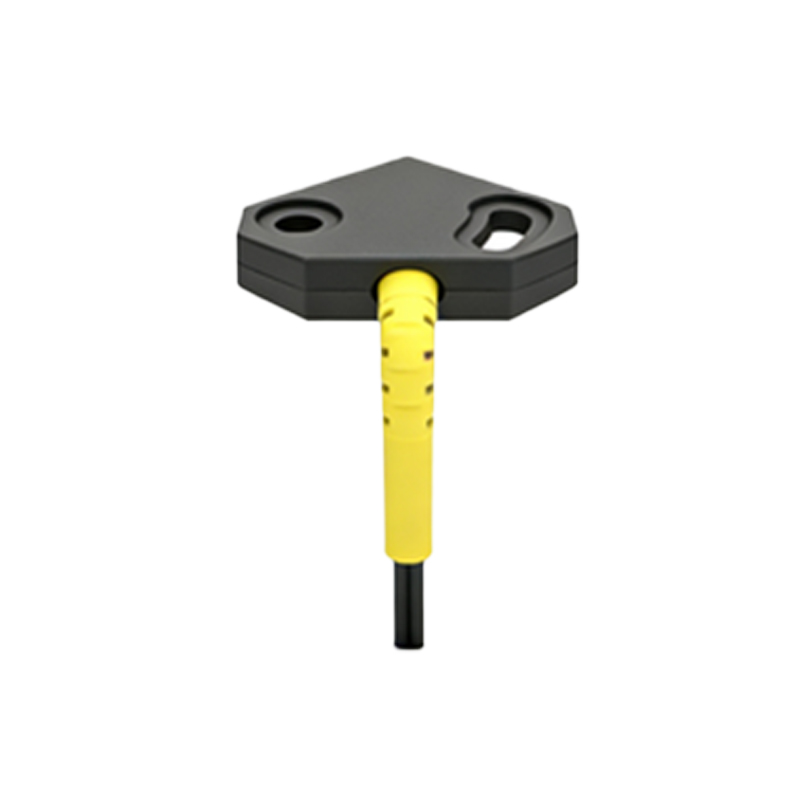
How Photoelectric Sensors Work in Alarm Systems
The core principle behind photoelectric sensors involves a transmitter and a receiver. The transmitter emits a focused light beam, which is either reflected back to the receiver by a reflector or directly received in a through-beam configuration. In alarm systems, any interruption or alteration in this beam triggers an alarm signal. For instance, in a through-beam setup, if an intruder crosses the path between the transmitter and receiver, the light beam is blocked, causing the sensor to send an alert to the control panel. Advanced models incorporate modulated light to reduce false alarms from ambient light sources, ensuring high accuracy. This technology allows for precise detection ranges, from a few centimeters to over 100 meters, catering to diverse security needs.
Advantages of Using Photoelectric Sensors for Alarms
Photoelectric sensors offer several benefits that make them suitable for alarm systems. First, their high sensitivity enables detection of even small objects or subtle movements, enhancing security coverage. Second, they are immune to electromagnetic interference, which is crucial in industrial or urban settings with high electronic noise. Third, these sensors have fast response times, often in milliseconds, allowing for immediate alarm activation. Additionally, they require minimal maintenance due to their solid-state design, reducing long-term operational costs. Their adaptability to various lighting conditions—through features like background suppression—further ensures reliable performance in challenging environments, such as warehouses or outdoor facilities.
Potential Limitations and Considerations
Despite their advantages, photoelectric sensors are not without limitations. Environmental factors like fog, dust, or heavy rain can scatter or absorb the light beam, potentially causing false alarms or reduced detection range. To mitigate this, users should select sensors with appropriate ingress protection ratings and consider supplementary technologies like thermal cameras. Additionally, proper installation is critical; misalignment of the transmitter and receiver can lead to system failures. Regular calibration and testing are recommended to maintain optimal functionality. Cost may also be a factor, as high-end photoelectric sensors with advanced features can be more expensive than basic motion detectors, though their reliability often justifies the investment.
Comparison with Other Alarm Sensor Technologies
When evaluating alarm systems, it's essential to compare photoelectric sensors with alternatives like passive infrared sensors or microwave detectors. Passive infrared sensors detect heat emissions from moving objects but can be less effective in temperature-stable environments. Microwave sensors use radio waves and are prone to interference from metal objects. Photoelectric sensors excel in providing consistent, long-range detection without being affected by temperature or material composition. However, a hybrid approach combining multiple sensor types can offer comprehensive security by leveraging the strengths of each technology, such as using photoelectric sensors for perimeter defense and infrared sensors for indoor motion detection.
Best Practices for Implementing Photoelectric Alarm Systems
To maximize the effectiveness of photoelectric sensors in alarm systems, follow industry best practices. Start by conducting a site assessment to identify key detection zones and potential obstacles. Choose sensors with suitable range, beam type, and environmental ratings. For outdoor applications, opt for weather-resistant models and install them at strategic heights to avoid accidental triggers from small animals. Ensure proper wiring and integration with the alarm control unit, and perform routine tests to verify sensor alignment and functionality. Training personnel on system operation and maintenance can further enhance reliability. By adhering to these guidelines, photoelectric sensors can deliver robust security performance with minimal downtime.
Future Trends in Photoelectric Alarm Technology
The future of photoelectric sensors in alarm systems looks promising, driven by advancements in IoT and smart security. Emerging trends include the integration of wireless connectivity, allowing sensors to communicate seamlessly with cloud-based monitoring platforms for real-time alerts. AI-enhanced sensors are being developed to distinguish between human intruders and environmental noise, reducing false alarms. Additionally, miniaturization and energy-efficient designs are making these sensors more accessible for residential and commercial use. As technology evolves, photoelectric sensors are expected to become even more versatile, offering enhanced features like multi-zone detection and adaptive sensitivity, solidifying their role in next-generation alarm systems.