Introduction to Color Photoelectric Sensors
Color photoelectric sensors are advanced devices used in industrial automation to detect, differentiate, and sort objects based on their color. Unlike standard photoelectric sensors that respond to light intensity, these sensors analyze specific wavelengths of light reflected from an object. They are essential in quality control, packaging, and assembly lines where color recognition ensures product consistency and reduces errors. By emitting light from built-in LEDs and measuring the reflected spectrum, these sensors provide precise data for automated decision-making. Their ability to operate in harsh environments with high reliability makes them a cornerstone in modern manufacturing processes.
RGB (Red, Green, Blue) Color Sensors
RGB color sensors are among the most common types, utilizing three separate light sources—red, green, and blue LEDs—to illuminate an object. They measure the intensity of reflected light in each of these spectral bands, allowing for accurate color identification. These sensors are ideal for applications requiring basic color differentiation, such as sorting items by color in logistics or verifying label colors in packaging. With fast response times and moderate cost, RGB sensors offer a balance between performance and affordability. However, they may struggle with subtle color shades or in environments with ambient light interference, often requiring shielding or calibration for optimal results.
True Color Sensors with Spectral Analysis
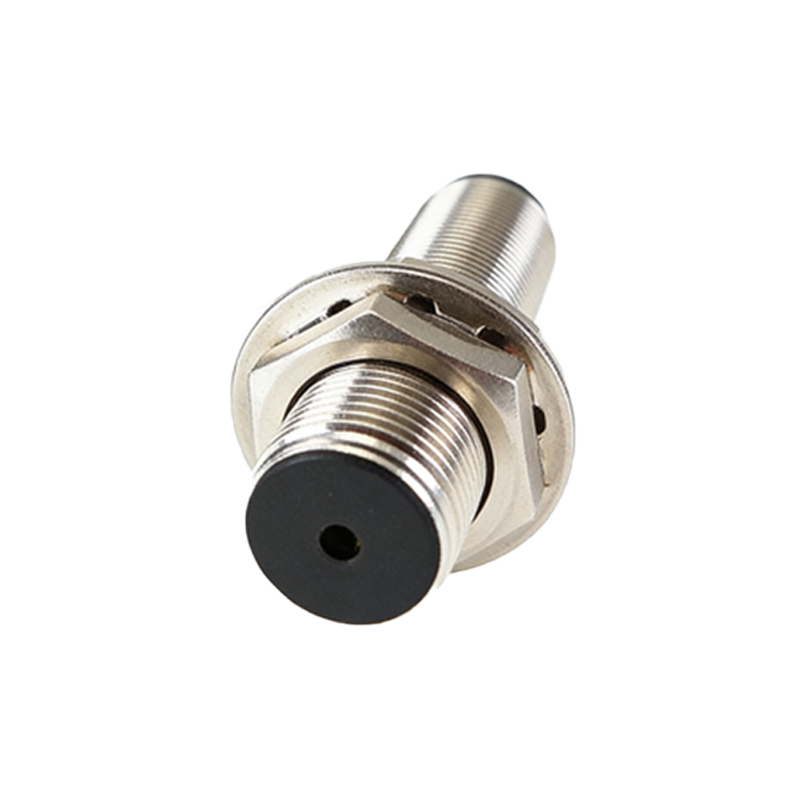
True color sensors, also known as spectral color sensors, provide higher precision by analyzing a broader spectrum of light, typically using a photodiode array or CMOS technology. They can distinguish between minute color variations, making them suitable for industries like textiles, food processing, and pharmaceuticals where exact color matching is critical. These sensors often include built-in algorithms to compensate for lighting conditions, ensuring consistent readings. While more expensive than RGB sensors, their accuracy and versatility justify the investment in high-stakes applications. They are commonly integrated with programmable logic controllers (PLCs) for automated adjustments in production lines.
Color Contrast Sensors
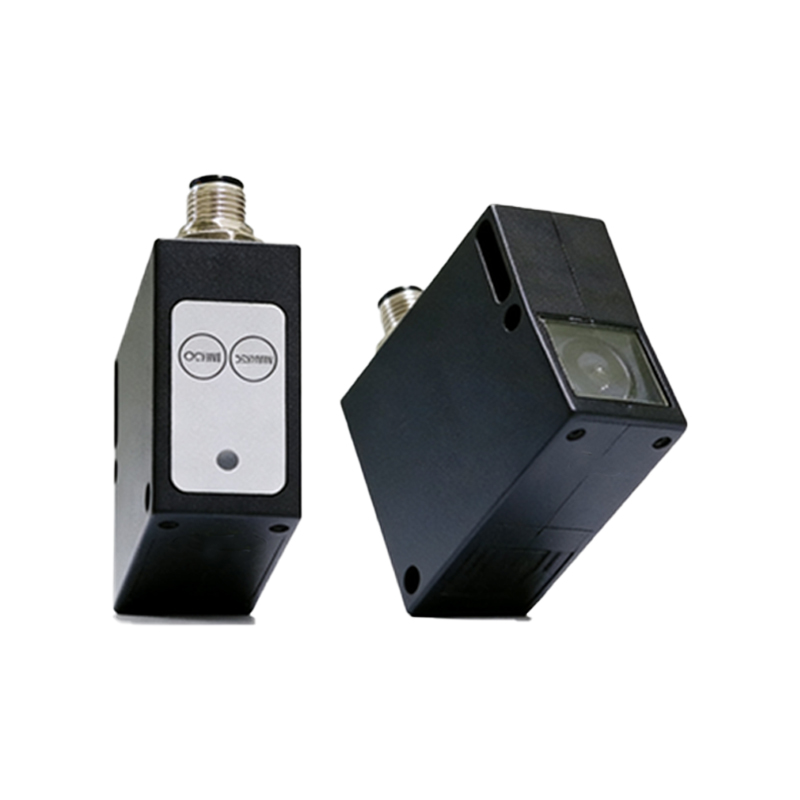
Color contrast sensors are designed to detect differences in color or contrast between an object and its background. They work by comparing the reflected light intensity from two distinct areas, enabling them to identify marks, prints, or color changes on surfaces. These sensors are widely used in printing, labeling, and assembly tasks, such as verifying the presence of a barcode or aligning colored components. Their simplicity and robustness make them effective in fast-paced environments. However, they are less suited for absolute color recognition and more focused on relative contrast detection, often requiring careful setup to avoid false triggers from environmental factors.
Fiber Optic Color Sensors
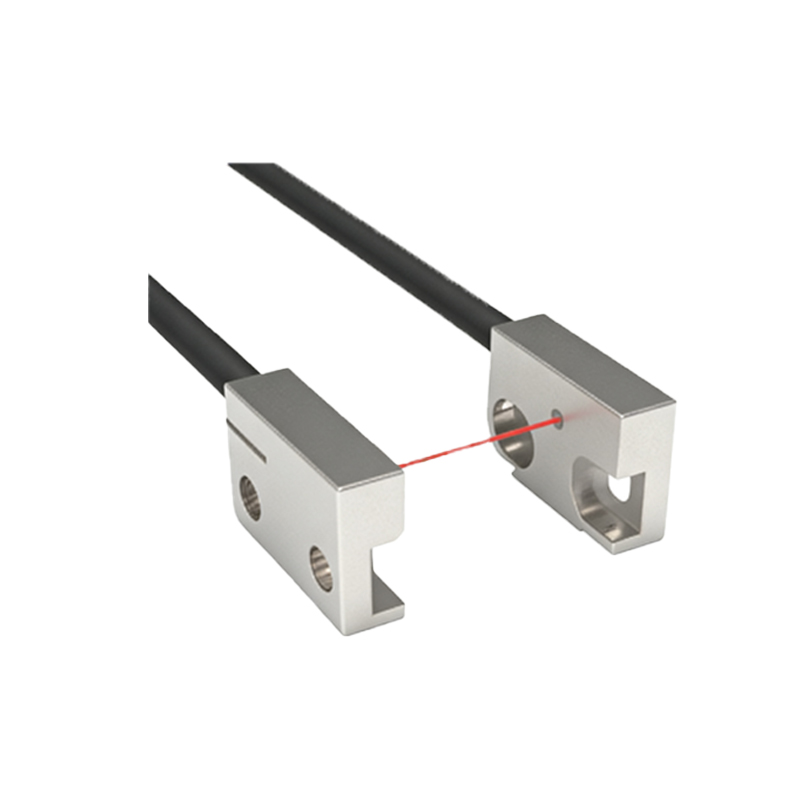
Fiber optic color sensors use optical fibers to transmit light to and from the sensing area, allowing for installation in confined or hazardous spaces where traditional sensors cannot fit. They are immune to electromagnetic interference and can withstand extreme temperatures, making them ideal for applications in chemical plants, automotive manufacturing, or clean rooms. These sensors can be configured for RGB or true color detection, depending on the attached amplifier unit. While offering flexibility and durability, they may have higher initial costs and require regular maintenance to ensure fiber integrity. Their ability to reach remote locations enhances their utility in complex automation systems.
Laser-Based Color Sensors
Laser-based color sensors employ laser diodes to produce a focused, high-intensity light beam for precise color measurement. They excel in detecting small objects or fine color details, such as in electronics assembly or medical device manufacturing. By minimizing scatter and ambient light effects, these sensors provide reliable data even at long distances or on reflective surfaces. Advanced models include wavelength-specific lasers for specialized applications, like identifying material composition. Despite their high accuracy, laser sensors are typically more expensive and may need safety precautions due to laser emissions. They are often used in tandem with vision systems for comprehensive inspection tasks.
Key Selection Criteria for Color Sensors
Choosing the right color photoelectric sensor depends on several factors, including application requirements, environmental conditions, and budget. Key considerations include sensing distance, resolution, response time, and resistance to dust, moisture, or vibrations. For instance, RGB sensors suffice for basic sorting, while true color sensors are necessary for quality assurance in color-critical industries. Integration with existing automation networks, such as IO-Link or Ethernet/IP, can enhance functionality. Regular calibration and maintenance are crucial to sustain performance. Consulting manufacturer specifications and testing in real-world scenarios ensures optimal sensor selection for long-term reliability.
Future Trends in Color Sensing Technology
The future of color photoelectric sensors is shaped by advancements in artificial intelligence, miniaturization, and connectivity. Smart sensors with embedded AI algorithms can learn and adapt to color variations, reducing setup time and improving accuracy. Wireless and IoT-enabled sensors allow for remote monitoring and data analytics, facilitating predictive maintenance. Additionally, developments in multispectral imaging may enable sensors to detect beyond visible light, opening applications in material analysis or safety inspections. As industries embrace Industry 4.0, these innovations will drive efficiency, making color sensors more integral to automated systems worldwide.