Introduction to PFA Encapsulated Photoelectric Sensors
In the demanding environments of modern industrial automation, the reliability and longevity of sensing components are paramount. Photoelectric sensors, which detect the presence, absence, or distance of objects using a light transmitter and receiver, are fundamental to countless processes. However, their performance can be severely compromised by exposure to harsh chemicals, extreme temperatures, mechanical stress, and particulate contamination. To address these challenges, advanced encapsulation technologies have been developed. Among these, Perfluoroalkoxy (PFA) polymer encapsulation has emerged as a superior solution for protecting the sensitive optical and electronic components within photoelectric sensors. PFA is a fully fluorinated, melt-processable fluoropolymer known for its exceptional chemical resistance, high-temperature stability, and outstanding dielectric properties. By housing the sensor's core in a PFA jacket or coating, manufacturers can create devices capable of withstanding environments that would rapidly degrade standard plastic or metal-housed sensors. This encapsulation acts as a robust barrier, ensuring consistent optical clarity for the light beam while shielding internal circuitry from corrosive and conductive fluids.
Superior Chemical and Thermal Resistance
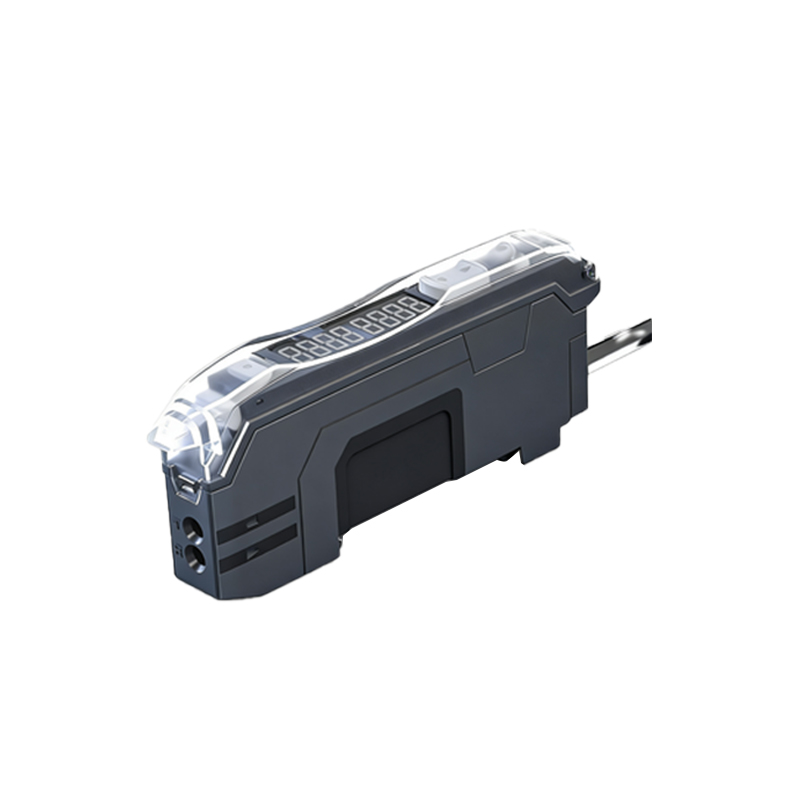
The primary advantage of PFA encapsulation lies in its unparalleled chemical inertness. PFA is resistant to virtually all industrial chemicals, including strong acids, bases, solvents, and oxidizing agents. This makes PFA-encapsulated photoelectric sensors ideal for applications in chemical processing, semiconductor manufacturing, pharmaceutical production, and aggressive plating or cleaning lines. Unlike metals that can corrode or standard plastics that may swell or dissolve, PFA maintains its structural and optical integrity. Furthermore, PFA exhibits excellent thermal stability, with a continuous service temperature range typically from -200°C to +260°C. This allows sensors to operate reliably in high-temperature processes such as packaging with heat sealers, automotive paint shop ovens, or near welding operations, as well as in cryogenic applications. The material does not become brittle at low temperatures or soften excessively at high temperatures, ensuring a consistent protective envelope. This thermal resilience also prevents outgassing, which is critical in cleanroom and vacuum environments to avoid contamination.
Enhanced Mechanical Protection and Sealing
Beyond chemical and thermal threats, industrial sensors face significant mechanical challenges from vibration, abrasion, and physical impact. PFA encapsulation provides a tough, yet slightly flexible, layer that absorbs shock and resists wear from particulate matter or repeated contact. The encapsulation process often involves molding the PFA directly onto the sensor assembly, creating a seamless, monolithic housing without gaps or seams. This hermetic seal is crucial for achieving high Ingress Protection (IP) ratings, such as IP67, IP68, or IP69K, which denote protection against dust and high-pressure water jets. A fully sealed PFA body prevents the ingress of oils, coolants, and washdown fluids, which are common in food & beverage processing or machine tool applications. This level of protection ensures that the sensor's internal lens remains clean and free from condensation or coating, preserving the accuracy and range of the light beam. The non-stick, low-friction surface of PFA also helps prevent material buildup, reducing maintenance frequency.
Optical Performance and Design Flexibility
A critical consideration for any photoelectric sensor is the clarity of its optical path. PFA is naturally transparent to a wide spectrum of light, including visible, infrared, and laser light commonly used in sensing. Engineers can tailor the thickness and pigmentation of the PFA layer to optimize light transmission for specific wavelengths while potentially filtering out unwanted ambient light. The encapsulation can be precision-molded into complex shapes, enabling the design of sensors with streamlined profiles, built-in mounting features, or custom lens geometries that focus or collimate the beam for improved sensing accuracy. This design flexibility allows for the creation of miniature sensors for tight spaces or specialized sensors with unique beam patterns. Additionally, the dielectric strength of PFA enhances electrical isolation, protecting against short circuits in electrically noisy or wet environments. The combination of optical clarity and design versatility means that PFA encapsulation does not compromise sensor performance but rather enhances it by enabling more reliable operation in optimized form factors.
Applications Across Critical Industries
The unique properties of PFA encapsulated photoelectric sensors make them indispensable in several high-stakes industries. In chemical and petrochemical plants, they reliably monitor valve positions, tank levels, and the presence of equipment in areas with pervasive corrosive vapors and splashes. Semiconductor and electronics manufacturers utilize them in wafer handling and etching processes where ultra-pure, chemical-resistant components are mandatory. The food, beverage, and pharmaceutical industries rely on these sensors for bottling, filling, and packaging lines that undergo frequent aggressive cleaning with caustic sanitizers and high-pressure steam. In automotive manufacturing, they survive in paint shops with solvent fumes and in assembly areas with oils and coolants. Their robustness also benefits water and wastewater treatment facilities, metal finishing operations, and any application involving frequent washdowns. By providing fail-safe detection in these critical control points, PFA-encapsulated sensors reduce downtime, minimize maintenance costs, and prevent costly production errors or safety incidents.
Selection Criteria and Implementation Best Practices
Selecting the appropriate PFA encapsulated photoelectric sensor requires careful analysis of the application parameters. Engineers must consider the specific chemicals present, their concentrations, and temperature extremes. The required sensing range, response time, and output type (e.g., NPN/PNP, analog, IO-Link) remain standard selection criteria. It is also vital to verify the sensor's IP rating and ensure the PFA material grade is suitable for the environment; for instance, FDA-compliant grades are necessary for direct food contact. During installation, proper mounting is essential to avoid putting stress on the cable entry or housing, even though PFA is durable. Utilizing compatible mounting brackets and ensuring cables are sealed with appropriate glands will preserve the integrity of the encapsulation. Regular maintenance should involve visual inspections for physical damage and cleaning of the lens surface with compatible solvents to maintain optical performance. Implementing these sensors as part of a predictive maintenance strategy can further maximize their value, as their inherent durability provides a stable platform for long-term monitoring and data collection.
Conclusion: A Strategic Investment for Reliability
PFA encapsulated photoelectric sensors represent a strategic investment for operations where sensor failure is not an option. While their initial cost may be higher than standard sensors, the total cost of ownership is often significantly lower due to extended service life, reduced replacement frequency, and avoidance of production stoppages. The encapsulation technology transforms a standard photoelectric sensor into a hardened industrial component capable of conquering the most aggressive environments. As industries continue to push the boundaries of automation in harsh conditions, the demand for such resilient sensing solutions will only grow. By understanding the properties, benefits, and applications of PFA encapsulation, engineers and plant managers can make informed decisions that enhance system reliability, safety, and overall operational efficiency, ensuring that their sensing points remain the most reliable links in the automation chain.