Introduction to Magnetic Sensing Technology
Magnetic sensors and proximity switches are fundamental components in modern industrial automation and control systems. These devices detect the presence, absence, or position of a target object without physical contact, relying on changes in a magnetic field. The core principle involves a sensor generating a magnetic field and monitoring its disturbance caused by a ferromagnetic or permanent magnet target. This non-contact operation eliminates mechanical wear, ensures high reliability, and enables detection in harsh environments where dirt, oil, or moisture are present. From factory assembly lines to automotive safety systems, the applications are vast and critical for ensuring efficiency, safety, and precision.
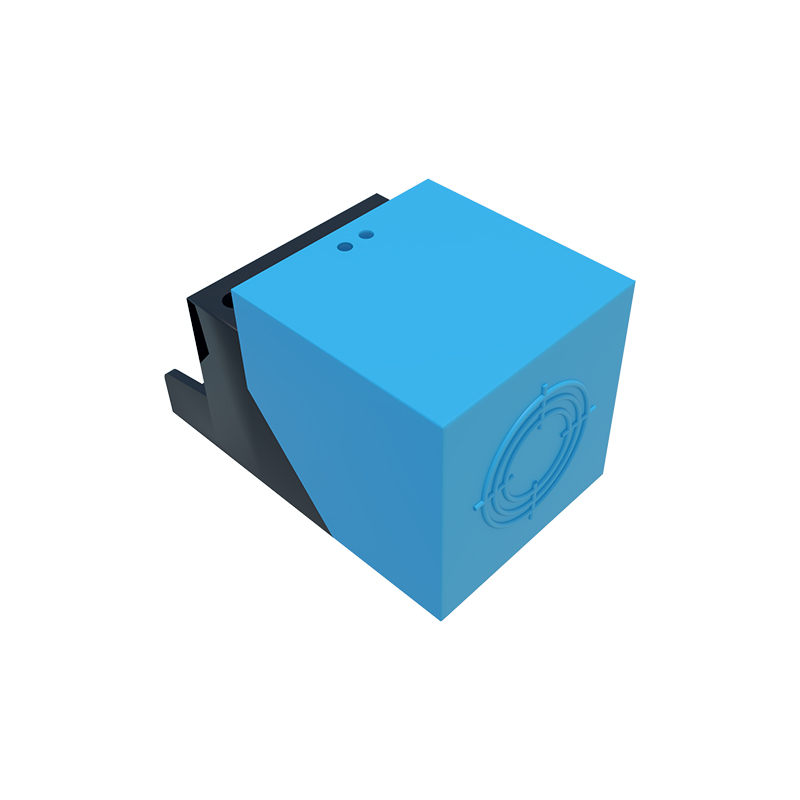
Core Operating Principles
The operation hinges on the interaction between a sensor's internal magnetic field and an external target. Common types include inductive, reed, and Hall-effect sensors. Inductive proximity switches generate an oscillating electromagnetic field. When a metallic object enters this field, it induces eddy currents, dampening the oscillation and triggering a switch state change. Reed switches consist of two ferromagnetic reeds sealed in a glass tube. An external magnet causes the reeds to attract and make contact, closing the circuit. Hall-effect sensors utilize the Hall effect, where a voltage difference is created across an electrical conductor when a magnetic field is applied perpendicular to the current flow. This voltage is processed to provide a digital or analog output signal.
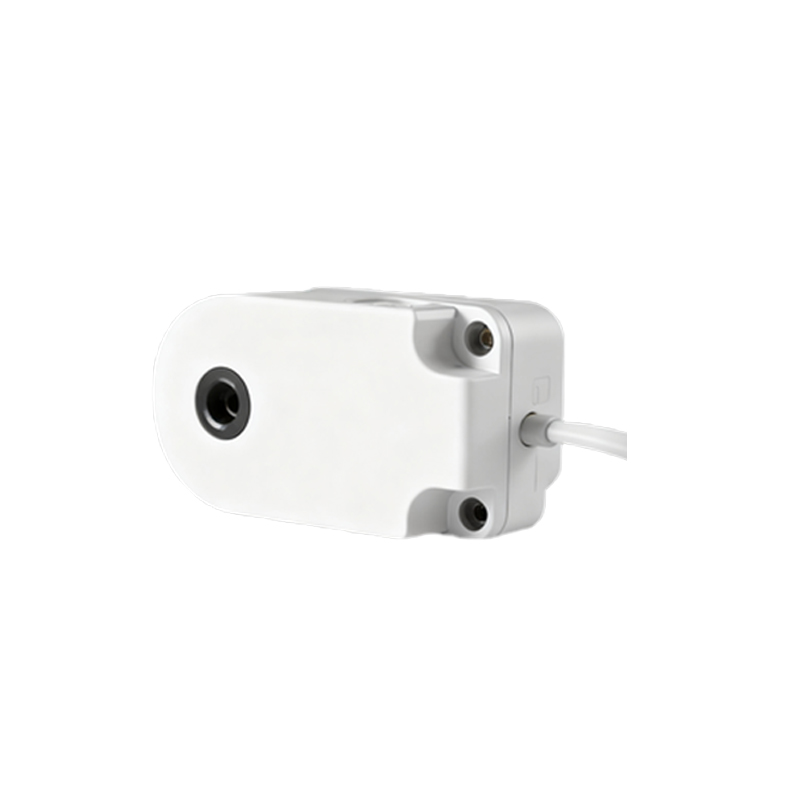
Primary Types and Their Characteristics
Understanding the distinct types is crucial for selection. Inductive sensors are robust, cost-effective for metal detection, but only work with conductive materials. They offer high switching frequencies and are immune to non-metallic contaminants. Reed switches are simple, low-power devices ideal for position sensing in clean environments but can be sensitive to shock and have limited switching cycles. Hall-effect sensors provide precise position and speed measurement, can detect both the presence and strength of a magnetic field, and are solid-state for high durability. Recent advancements include magnetoresistive sensors, offering极高的 sensitivity for detecting weak magnetic fields in applications like current sensing or navigation.
Key Application Areas in Industry
These components are ubiquitous. In automotive systems, they monitor wheel speed for ABS, detect gear position, and sense seat belt engagement. In manufacturing, they count parts on conveyors, confirm robotic arm positions, and provide end-of-travel limits for actuators. Material handling equipment uses them for pallet detection and crane positioning. Safety applications include door interlock systems on machinery guards. Furthermore, they are essential in consumer electronics for detecting laptop lid closure or smartphone flip covers. The ability to function reliably in temperatures ranging from cryogenic levels to over 100°C expands their use to aerospace and heavy machinery.
Critical Selection Criteria
Choosing the right sensor requires evaluating several parameters. Sensing distance, or the nominal range at which the target is reliably detected, is paramount and varies by type and target material. The output type must match the control system: PNP (sourcing), NPN (sinking), analog, or IO-Link for digital communication. Environmental factors like IP (Ingress Protection) rating for dust and water resistance, temperature range, and resistance to chemicals or welding spatter must be considered. Electrical specifications such as supply voltage, current consumption, and switching frequency (for high-speed applications) are also critical. Finally, the physical housing style (barrel, rectangular, ring) must suit the mounting constraints.
Installation and Maintenance Best Practices
Proper installation ensures optimal performance and longevity. Maintain the specified lateral and axial distance between sensors to prevent mutual interference of their magnetic fields. Ensure the target material, size, and approach direction align with the sensor's specifications. For inductive sensors, different metals (steel, aluminum, copper) have correction factors that reduce the effective sensing range. Secure mounting is essential to prevent vibration-induced failure. Maintenance is generally minimal due to the non-contact nature, but periodic checks for physical damage, buildup of ferrous debris on the sensing face, and verification of output signals are recommended as part of a preventive maintenance schedule.
Future Trends and Advancements
The evolution of magnetic sensing technology continues. Integration with Industrial IoT (IIoT) is a major trend, with sensors featuring embedded diagnostics and direct network connectivity via protocols like IO-Link, providing data on device health, temperature, and signal strength for predictive maintenance. Miniaturization allows for installation in increasingly compact devices. Enhanced precision and noise immunity are being achieved through advanced signal processing integrated into the sensor chip. Furthermore, the development of sensors capable of distinguishing between different magnetic field vectors (3D sensing) opens new possibilities for complex position and angle measurement in robotics and automotive applications.