Understanding Photoelectric Sensor Operation
Photoelectric sensors function by emitting a beam of light, typically from an LED or laser diode, towards a target or receiver. The operational principle hinges on detecting changes in the received light's properties—such as intensity, beam interruption, or time-of-flight—to ascertain the presence, absence, or position of an object. Common types include through-beam, retro-reflective, and diffuse reflective sensors. Their high precision, fast response, and non-contact nature make them indispensable in industrial automation, packaging, and material handling. However, the core dependency on light transmission means that any medium interfering with the light path can potentially compromise performance.
Rain as an Environmental Interfering Medium
Rainfall introduces water droplets into the sensor's optical path. These droplets can absorb, scatter, or refract the emitted light beam. For through-beam sensors, where the emitter and receiver are separate units, heavy rain can attenuate the signal strength, potentially causing false "absent" readings if the light intensity drops below the receiver's detection threshold. In diffuse or retro-reflective models, water droplets on the lens or on the target surface can diffuse the light, reducing the amount of reflected light returning to the receiver. Persistent rain can also lead to water film formation on the lens, further degrading signal integrity. The impact is more pronounced with infrared light, commonly used in sensors, as water has higher absorption in certain IR spectra compared to visible light.
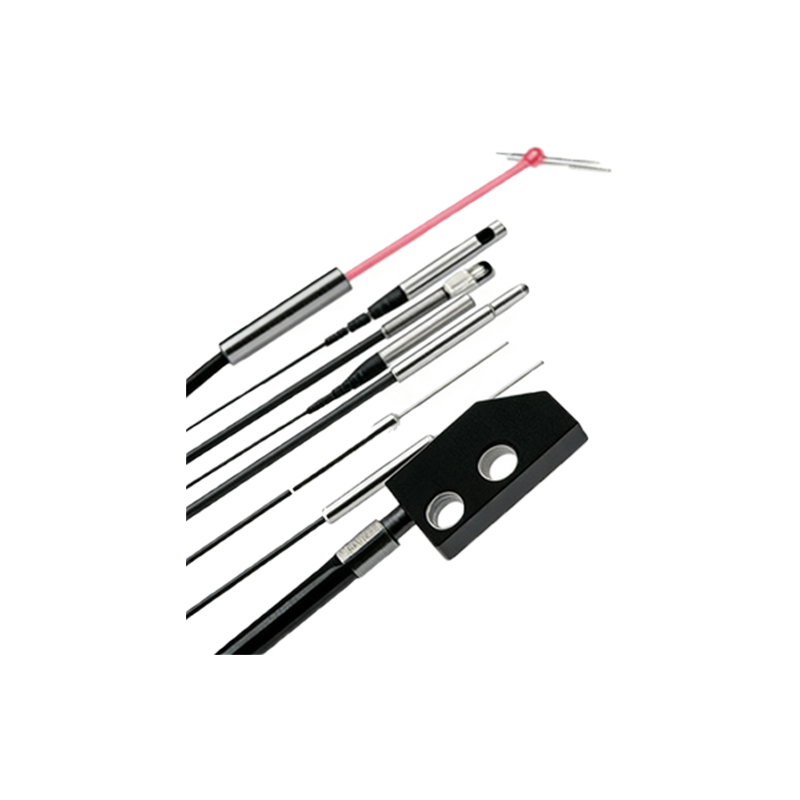
Key Factors Determining Impact Severity
The degree of interference is not uniform and depends on several technical factors. Sensor design is paramount: units with higher IP (Ingress Protection) ratings, such as IP67 or IP69K, offer better sealing against water ingress, protecting internal electronics but not necessarily mitigating optical path interference. The intensity and wavelength of the emitted light play a role; sensors with more powerful, focused beams (like laser-based models) generally perform better in adverse conditions than those with wide, low-power LED beams. The installation environment is critical; sensors operating outdoors in open areas are more vulnerable than those under slight eaves or in partially sheltered industrial settings. Finally, rainfall intensity—a light drizzle versus a torrential downpour—directly correlates with the likelihood of operational disruption.
Mitigation Strategies and Best Practices
To ensure reliable operation in wet conditions, several engineering solutions can be implemented. Selecting sensors specifically designed for outdoor or harsh environments is the first step. These often feature hydrophobic lens coatings that cause water to bead and roll off, maintaining a clearer optical surface. Installing physical barriers, such as protective hoods or shrouds, can shield the sensor's front face from direct rainfall. Regular maintenance, including periodic lens cleaning to remove water spots, dirt, or film, is essential. For critical applications, system designers might incorporate redundancy, using multiple sensors or combining photoelectric sensing with a different technology, like ultrasonic sensors, which are less affected by rain, to cross-verify signals. Adjusting the sensor's sensitivity threshold can also provide a buffer against minor signal attenuation caused by light rain or mist.
Conclusion and Practical Recommendations
In summary, rain can indeed affect photoelectric sensors, primarily through the physical obstruction and scattering of the light beam by water droplets. The impact ranges from negligible in light precipitation to significant in heavy storms, potentially causing false triggers or loss of detection. For applications where exposure to rain is inevitable, proactive measures are necessary. Engineers should prioritize sensors with high IP ratings, hydrophobic optics, and robust housing. Careful consideration of installation location and orientation, combined with a routine maintenance schedule, will maximize uptime and reliability. Ultimately, while photoelectric sensors are versatile, their performance in rainy conditions is not guaranteed and must be evaluated as part of a comprehensive environmental risk assessment for any automation system.