Understanding the Core Technology
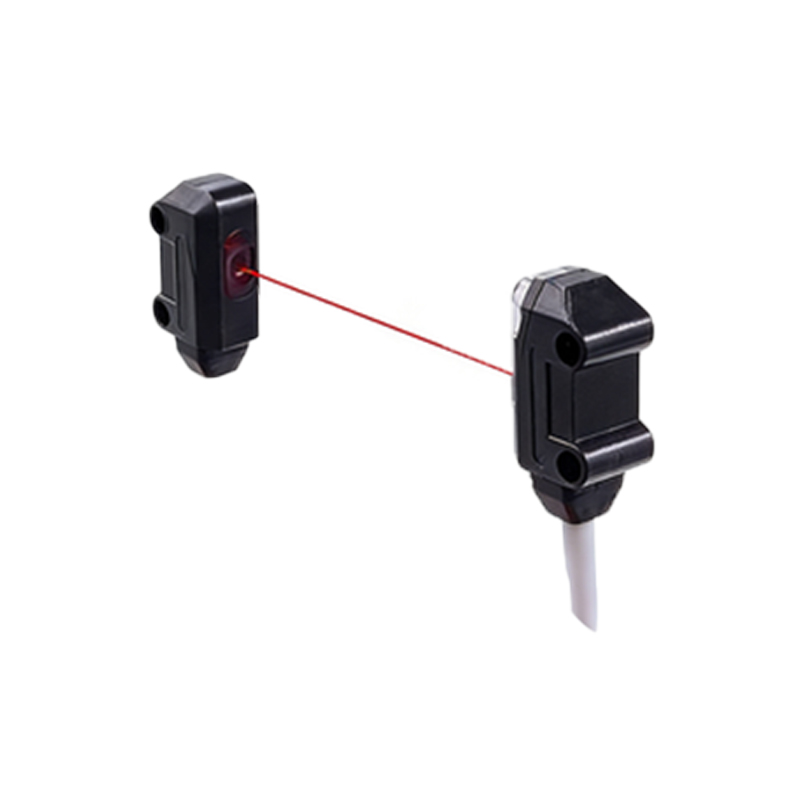
Long-range infrared photoelectric sensors are sophisticated devices designed to detect objects, measure distances, or monitor presence over extended distances, typically ranging from tens to several hundred meters. Unlike standard photoelectric sensors, these specialized units utilize modulated infrared light beams. The core principle involves emitting a focused, pulsed infrared beam from a transmitter. A separate receiver unit then detects this beam. An object interrupting the beam path causes a change in the received signal, triggering an output. The use of infrared light, which is less susceptible to interference from ambient visible light, combined with advanced modulation techniques, allows these sensors to achieve remarkable range and stability. The modulation involves encoding the light beam with a specific high-frequency signal; the receiver is tuned to recognize only this frequency, effectively filtering out stray light from other sources like sunlight or artificial lighting, which is crucial for long-distance, outdoor applications.
Key Components and Operational Modes
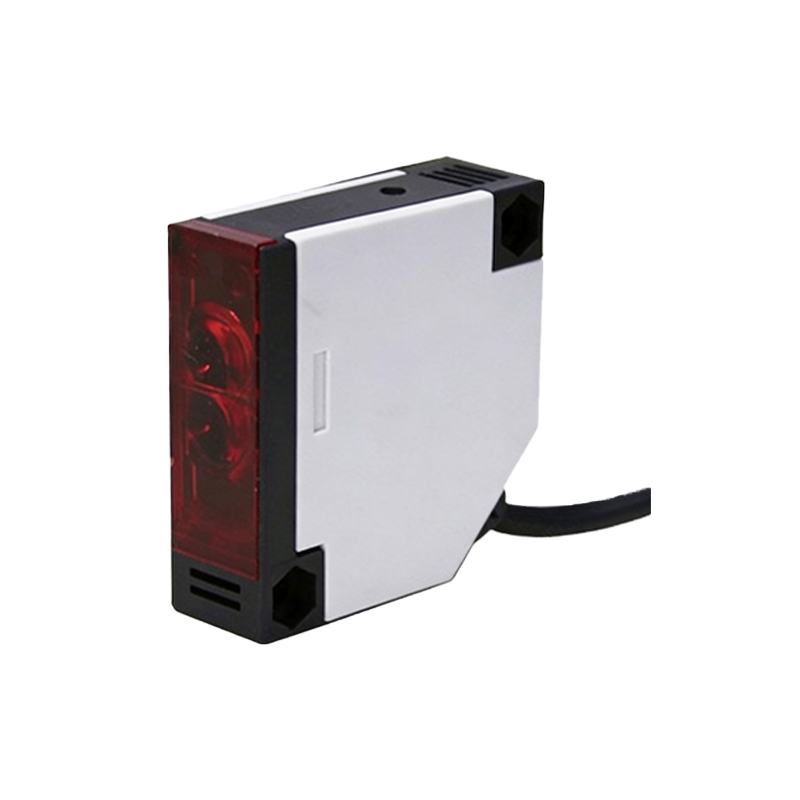
A typical long-range infrared sensor system consists of two primary components: a transmitter and a receiver, often housed in separate enclosures for through-beam sensing. The transmitter contains an infrared LED or laser diode that generates the light beam, along with optics to collimate and focus it into a narrow, coherent beam to minimize dispersion over distance. The receiver houses a phototransistor or photodiode sensitive to the specific infrared wavelength, signal amplification circuitry, and a demodulator to decode the modulated signal. The most common operating mode for long-range detection is the through-beam (or opposed) mode. This configuration offers the highest possible sensing range and reliability because the receiver directly detects the beam from the transmitter. Retro-reflective mode, where the sensor uses a single housing and a reflector, is also available for certain models but generally offers shorter maximum ranges compared to through-beam systems.
Primary Industrial and Commercial Applications
The robust nature of long-range infrared photoelectric sensors makes them indispensable in various demanding environments. In industrial automation, they are deployed for large-scale object detection on conveyor systems, in storage yards, and for monitoring the perimeter of machinery or robotic work cells. They play a critical role in traffic management systems, detecting vehicles at toll booths, parking garages, and for traffic flow monitoring. Security and safety systems extensively use these sensors for intrusion detection along fences, gates, and around sensitive perimeters. Furthermore, they are utilized in agricultural automation for monitoring equipment in vast fields and in logistics for container positioning and large warehouse vehicle detection. Their ability to function reliably in challenging conditions like dust, light fog, and varying temperatures underscores their versatility.
Critical Factors for Sensor Selection
Selecting the appropriate long-range infrared sensor requires careful consideration of several technical parameters. The most obvious is the required sensing distance, which must include a safety margin. The beam pattern, or spot size, is crucial; a narrower beam allows for precise detection at longer ranges but requires more precise alignment. Environmental resistance is paramount. Look for sensors with high Ingress Protection (IP) ratings (e.g., IP67, IP69K) for dust and water resistance, and robust temperature ratings for outdoor use. The type of output (e.g., NPN/PNP transistor, relay, analog) must be compatible with the control system. Additionally, features like adjustable sensitivity, time delays, and built-in diagnostics (like stability indicators or alignment aids) can significantly ease installation and maintenance. For safety-critical applications, models with a controlled failure mode or redundancy features should be considered.
Installation, Alignment, and Maintenance Best Practices
Proper installation is key to achieving optimal performance. For through-beam sensors, ensuring stable, vibration-free mounting for both transmitter and receiver is essential. Precise alignment is critical, especially for maximum range applications; many modern sensors incorporate visual or auditory alignment aids such as LED indicators that change color or intensity when the beam is properly received. During installation, avoid mounting surfaces that can vibrate or shift with temperature changes. The beam path should be kept clear of potential obstructions and away from highly reflective surfaces that could cause false reflections. Regular maintenance involves cleaning the lenses to prevent buildup of dirt, snow, or insects, which can attenuate the beam. Periodically checking the alignment and the stability of the output signal, especially after extreme weather events, will ensure continued reliable operation.
Advancements and Future Trends
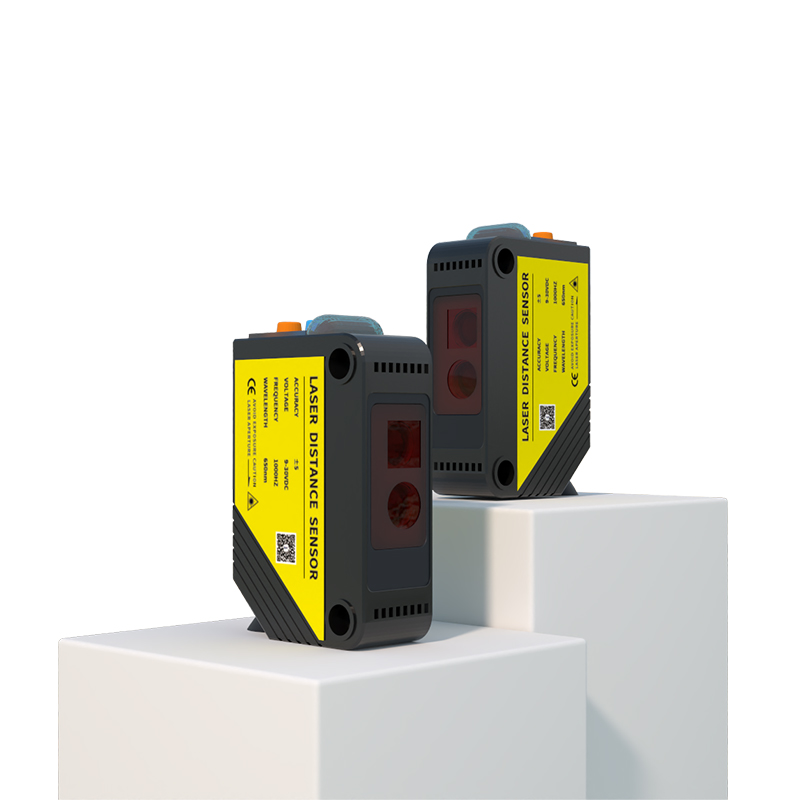
The field of long-range photoelectric sensing continues to evolve. Current advancements include the integration of background suppression technology adapted for long-range, allowing sensors to ignore distant objects and only detect targets within a specific window. The use of laser class II or IIR diodes is becoming more common, providing brighter, more visible beams for easier alignment while remaining eye-safe. Connectivity is also improving, with sensors offering IO-Link communication for digital parameter setting, remote monitoring, and predictive maintenance data. Future trends may see further integration with LiDAR principles for precise distance measurement over very long ranges and enhanced AI-driven diagnostics to predict lens contamination or component failure before it leads to system downtime.