Introduction to the Proximity Sensor 3-1bx Series
The Proximity Sensor 3-1bx represents a cornerstone in modern industrial sensing technology. Engineered for reliability and precision, this series of inductive proximity sensors is designed to detect the presence or absence of metallic objects without physical contact. Operating on the principle of electromagnetic induction, the 3-1bx generates an oscillating electromagnetic field from its sensing face. When a ferrous or non-ferrous metal target enters this field, eddy currents are induced, causing a change in the oscillation amplitude. This change is detected by the internal circuitry, which subsequently triggers a solid-state switching output. The robust housing, typically crafted from nickel-plated brass or stainless steel, ensures exceptional durability in harsh industrial environments characterized by dust, coolant, and mechanical vibration.
Core Technical Specifications and Operating Principles
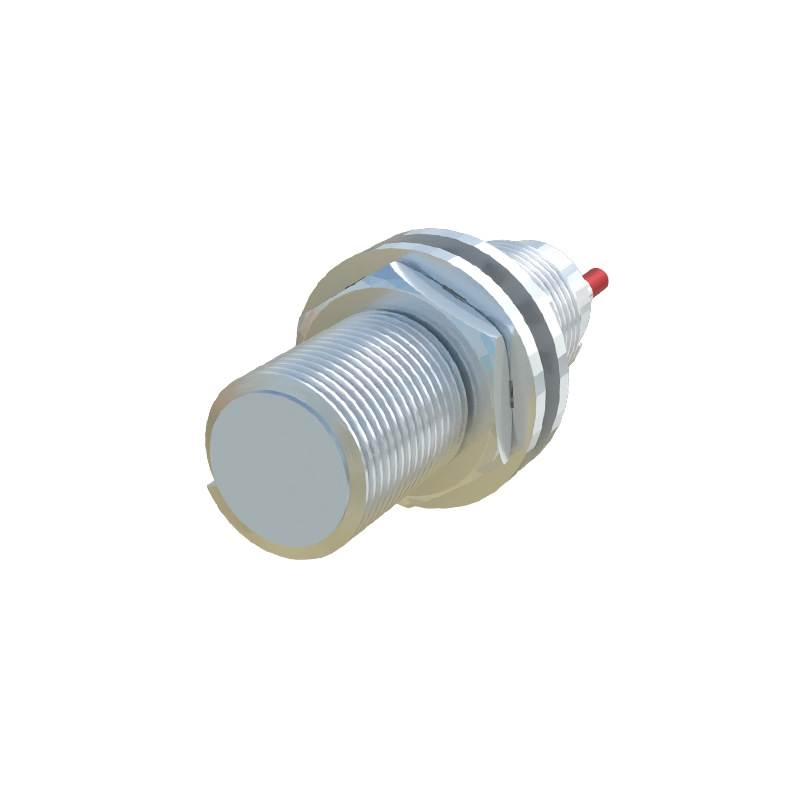
A detailed examination of the 3-1bx datasheet reveals its key performance parameters. The nominal sensing range, a critical specification, is precisely defined, often ranging from 1 to 5 millimeters depending on the specific model and target material. These sensors are predominantly available in a DC 3-wire configuration, with both NPN (sinking) and PNP (sourcing) output types to seamlessly integrate into diverse PLC (Programmable Logic Controller) and control system architectures. The operating voltage range is typically wide, such as 10-30V DC, providing flexibility in various electrical setups. Key performance indicators include a high switching frequency, enabling detection of rapidly moving objects on production lines, and minimal hysteresis, which ensures consistent switch-on and switch-off points. The IP67 or higher ingress protection rating guarantees reliable operation even when exposed to washdowns or temporary immersion.
Wiring Configuration and Electrical Integration
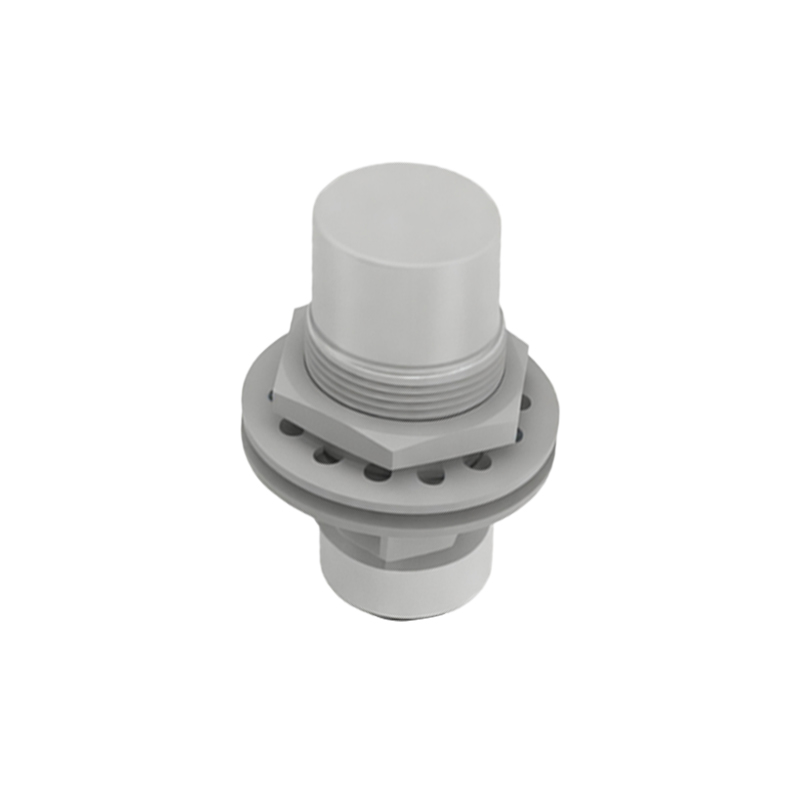
Correct installation begins with proper wiring. The standard 3-1bx three-wire sensor has leads for brown (positive/L+), blue (negative/L-), and black (switched output). For a PNP version, the black wire outputs a positive voltage when a target is detected, sourcing current to the load connected to the common negative. Conversely, an NPN version sinks current to negative when activated. It is imperative to connect a protective load resistor or the PLC input in series to complete the circuit. Shielding and proper cable routing are recommended in environments with significant electromagnetic interference to prevent false triggering. Many models also feature a built-in LED status indicator, providing immediate visual confirmation of the sensor's operational state and output activation, which is invaluable for troubleshooting.
Mounting Considerations and Environmental Factors
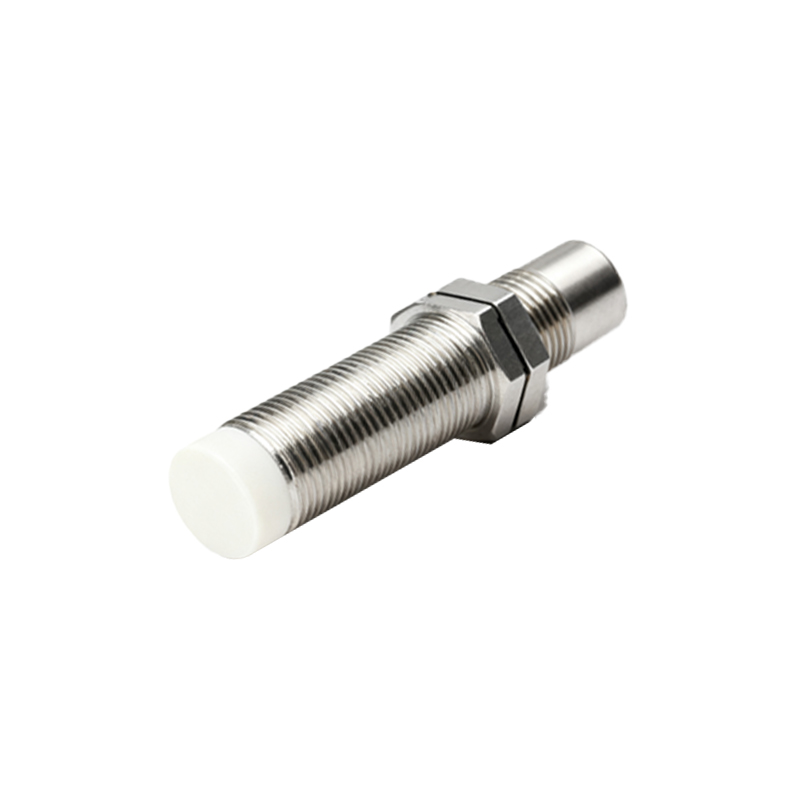
Optimal performance is contingent upon correct mechanical mounting. Flush-mountable designs allow the sensor to be installed embedded in a metal bracket without loss of sensing range, while non-flush models require a specific clearance from surrounding metal to function correctly. The sensor's axis must be properly aligned with the expected path of the target object. Environmental factors such as ambient temperature extremes, the presence of aggressive chemicals, or strong alternating magnetic fields can influence performance. Selecting a model with a temperature rating suitable for the application and ensuring the sensing face remains free of buildup from chips, grease, or other contaminants are essential maintenance practices for long-term reliability.
Target Material and Sensing Range Compensation
The sensing range of an inductive proximity sensor like the 3-1bx is not absolute; it varies with the target material's properties. Standard sensing distances are calibrated for mild steel (Fe360). For other metals, a reduction factor must be applied. For instance, stainless steel may reduce the effective range to approximately 80-90% of the nominal value, brass to 40-50%, and aluminum to 30-40%. Engineers must account for this during system design to ensure the target reliably enters the effective sensing zone. Some advanced versions within the series may offer factor-1 characteristics, providing a consistent sensing range for all metals, though often with a slightly reduced nominal distance.
Typical Applications in Industrial Automation
The versatility of the 3-1bx sensor makes it ubiquitous across factory floors. Common applications include position verification of machine parts, such as confirming a cylinder is fully extended or retracted. They are used for counting metallic objects on conveyors, detecting the presence of a drill bit in a spindle, or ensuring a metal workpiece is correctly positioned before a machining operation begins. In automated assembly lines, these sensors monitor the passage of pallets or carriers. Their fast response time and contactless operation make them ideal for high-speed packaging machinery and robotic cell safety interlocks, where reliability is non-negotiable.
Troubleshooting Common Operational Issues
Even robust components can encounter issues. Common problems with proximity sensors include