Introduction and Historical Context
The evolution of photoelectric sensors represents a cornerstone in the advancement of industrial automation and control systems. These devices, which operate on the principle of converting light signals into electrical signals, have undergone significant transformation since their inception. Early photoelectric cells, such as selenium cells discovered in the 19th century, laid the foundational physics. The mid-20th century saw the commercialization of phototransistors and photodiodes, enabling more robust and faster sensing. The subsequent integration of light-emitting diodes (LEDs), particularly infrared LEDs, as stable light sources marked a pivotal shift, leading to the modern, reliable photoelectric sensors ubiquitous in today's factories. This progression from simple, ambient-light-dependent devices to sophisticated, modulated-light systems capable of operating in harsh environments underscores a trajectory driven by material science, semiconductor technology, and digital signal processing.
Core Operating Principles and Classifications
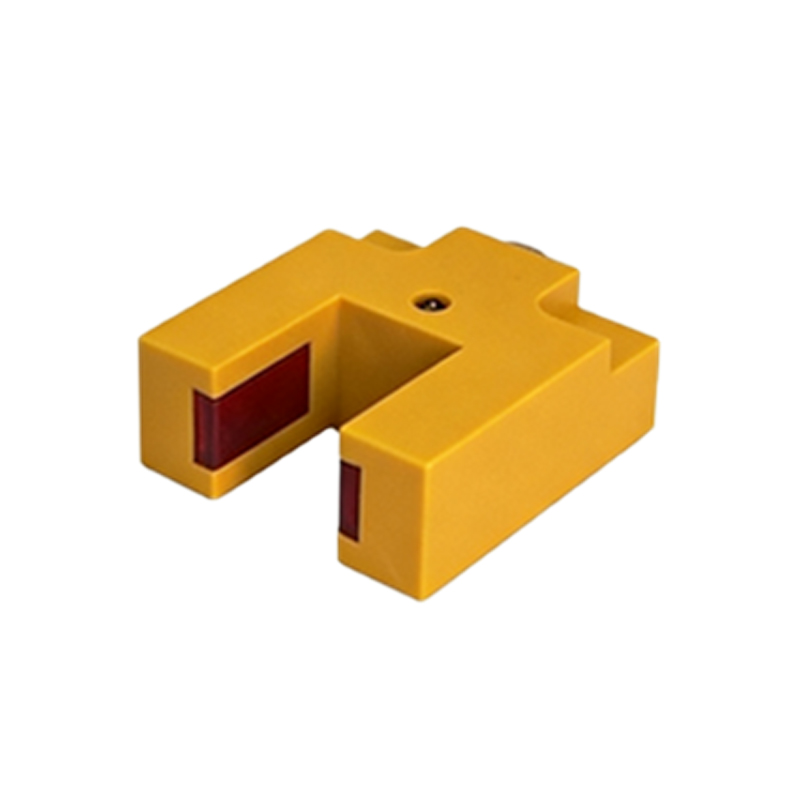
Photoelectric sensors are fundamentally categorized by their method of light transmission and reception. The three primary configurations are through-beam, retro-reflective, and diffuse (proximity) sensors. Through-beam sensors consist of separate, opposing emitter and receiver units. Detection occurs when an object interrupts the light beam, offering the longest sensing ranges and highest reliability. Retro-reflective sensors house both emitter and receiver in a single housing, utilizing a reflector to bounce the light beam back. An object is detected when it blocks this reflected beam. This type provides a good balance of range and ease of installation. Diffuse sensors also combine emitter and receiver, but they detect light reflected directly off the target object itself. While offering the simplest installation with only one device, their effective range is shorter and performance is more susceptible to the object's color, surface texture, and reflectivity. Advancements in background suppression and foreground suppression techniques have greatly improved the performance of diffuse sensors in challenging applications.
Key Technological Advancements and Component Evolution
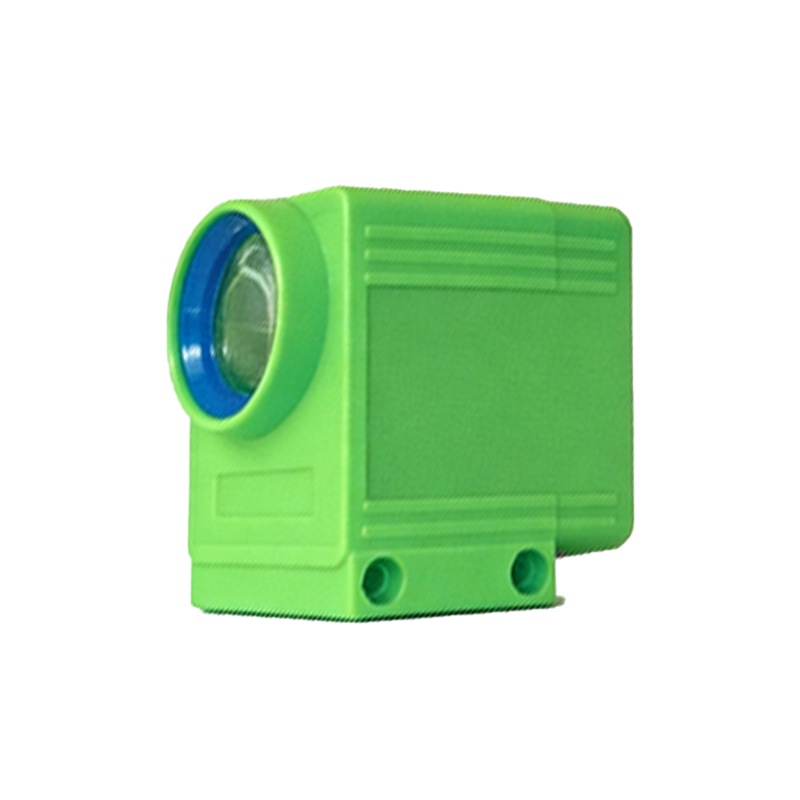
Technological innovation has been relentless. The shift from incandescent bulbs to LEDs brought unprecedented benefits: longer operational lifetimes (often exceeding 100,000 hours), minimal heat generation, faster switching speeds, and resistance to vibration. The development of laser diodes enabled extremely precise, long-range sensing for positioning and measurement tasks. On the receiver side, advancements in photodiode and phototransistor design have improved sensitivity and response times. The integration of Application-Specific Integrated Circuits (ASICs) and microprocessors has been transformative. Modern sensors incorporate sophisticated logic functions, programmable parameters, and advanced diagnostics. Features like teach-in functionality (auto-setup), digital communication interfaces (IO-Link, Ethernet/IP, PROFINET), and the ability to differentiate between colors or contrasts are now standard in high-end models, turning simple sensors into intelligent data points within the Industrial Internet of Things (IIoT) ecosystem.
Primary Industrial Applications and Use Cases
The application spectrum of photoelectric sensors is vast, spanning nearly every manufacturing sector. In packaging and material handling, they are indispensable for object detection on conveyors, counting, bottle cap inspection, and label verification. In the automotive industry, they ensure precise part positioning for robotic assembly, check for the presence of components, and monitor liquid levels. Diffuse sensors with background suppression are critical for detecting transparent objects like glass bottles or plastic films. In electronics manufacturing, miniature sensors perform delicate tasks such as verifying chip placement on circuit boards. Safety applications include light curtains and perimeter guarding systems that protect personnel from hazardous machinery. Furthermore, specialized versions are used for edge detection in web guiding systems, fill level control in tanks, and even in agricultural automation for sorting produce.
Performance Considerations and Selection Criteria
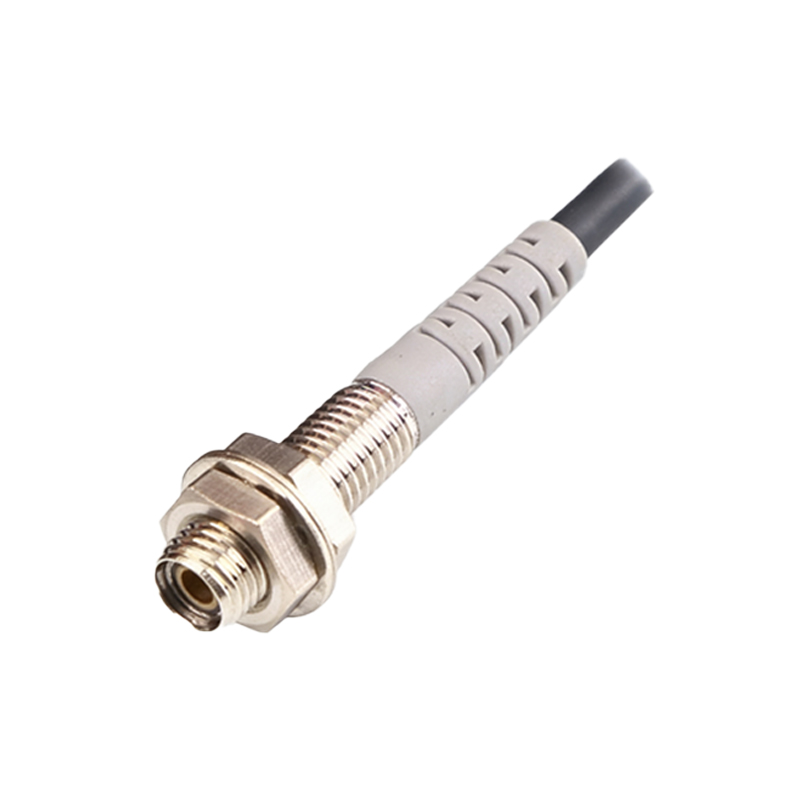
Selecting the appropriate photoelectric sensor requires a detailed analysis of the application parameters. Key factors include sensing range, which must account for the required operating distance with a safety margin. The size, material, color, and surface finish of the target object directly influence the choice of sensor type and light source (e.g., red visible light, infrared, laser). Environmental conditions are paramount; sensors may need specific Ingress Protection (IP) ratings for dust and water resistance, resistance to washdown chemicals, wide operating temperature ranges, and immunity to ambient light interference from welding arcs or sunlight. Electrical requirements such as supply voltage, output type (PNP/NPN, analog, relay), and connection method (connector, cable) must match the control system. Finally, features like adjustable sensitivity, time delays, and diagnostic indicators (like a stability LED) contribute to easier setup and maintenance.
Current Challenges and Research Frontiers
Despite their maturity, photoelectric sensors face ongoing challenges. Detecting low-contrast objects, shiny or mirror-like surfaces that cause specular reflection, and consistently sensing varying colors remain difficult tasks. Harsh environments with heavy contamination (dust, oil mist, steam) can coat lenses and degrade performance, necessitating regular maintenance or air purge systems. Current research is aggressively addressing these issues. The integration of artificial intelligence and machine learning algorithms at the sensor edge is a major frontier, enabling sensors to learn object characteristics and adapt to changing conditions autonomously. The development of novel materials for lenses and housings enhances durability. Furthermore, research into advanced optical designs, such as multi-pixel or array-based receivers, and the use of polarized light, continues to push the boundaries of reliability and precision in complex scenarios.
Future Outlook and Convergence with Industry 4.0
The future of photoelectric sensing is inextricably linked to the broader trends of Industry 4.0 and smart manufacturing. The role of the sensor is evolving from a simple binary switch to an intelligent node providing rich, contextual data. The proliferation of IO-Link is a key enabler, allowing for bidirectional communication, remote parameter configuration, and the transmission of process values and device health information. This facilitates predictive maintenance, where sensors can alert operators to degrading lens cleanliness or declining light intensity before a failure occurs. The convergence with vision sensor technology is another trend, blurring the lines between simple presence detection and complex inspection. As networks become more robust and cybersecurity for industrial devices advances, photoelectric sensors will form a critical, data-generating layer in the fully digitalized, adaptive, and efficient factories of the future.