Introduction to Pin-Style M8 Proximity Sensors
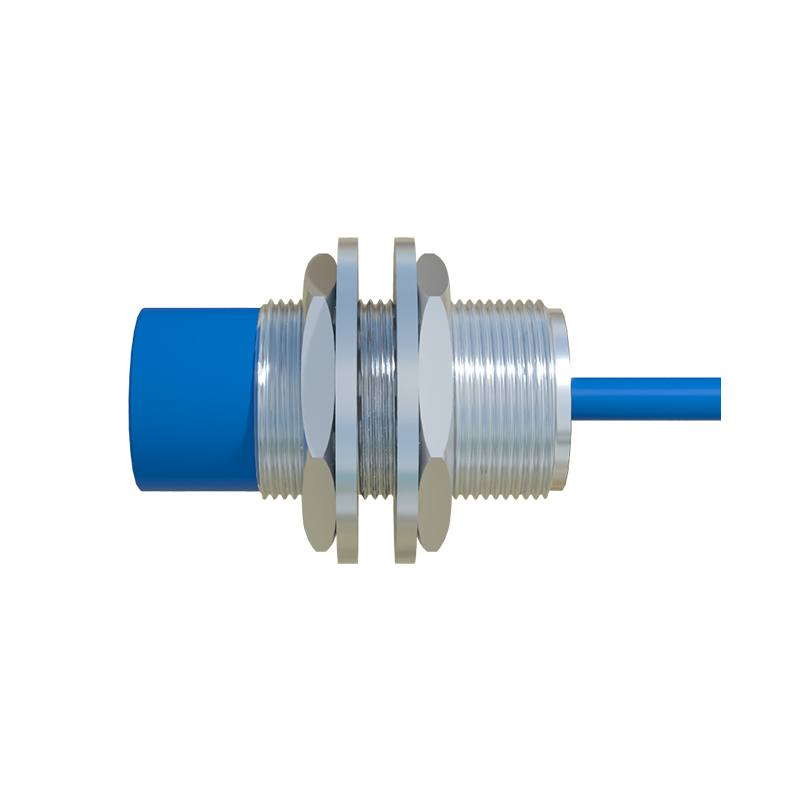
In the realm of industrial automation, precision and reliability are non-negotiable. Among the myriad of components that ensure seamless operation, the M8 proximity sensor stands out for its compactness and versatility. Specifically, the pin-style or "pin-type" M8 inductive proximity sensor is a cornerstone in countless applications. Characterized by its 8mm diameter cylindrical housing and a sensing face that typically features two or three metallic pins, this sensor is engineered for the non-contact detection of metallic objects. Its design prioritizes durability in harsh environments, often boasting robust construction with materials like nickel-plated brass or stainless steel, and high ingress protection (IP) ratings such as IP67. The fundamental operating principle relies on electromagnetic induction, where an oscillator circuit generates a high-frequency field at the sensing face. When a metallic target enters this field, eddy currents are induced, causing a change in the oscillator's amplitude. This change is detected by the sensor's circuitry, triggering a solid-state switching output, typically in PNP (sourcing) or NPN (sinking) configurations.
Core Technical Specifications and Operating Principles
Understanding the technical parameters of a pin-style M8 sensor is crucial for correct selection and application. The sensing distance, a key specification, is standardized. For a standard ferrous metal target (mild steel), the nominal sensing distance (Sn) is usually 1.5mm or 2mm. It is vital to note that this distance reduces for non-ferrous metals like aluminum or copper, often requiring a correction factor. The sensor operates on a wide range of DC voltages, commonly from 10-30V DC, making it compatible with most programmable logic controller (PLC) and industrial control systems. The output is a discrete signal, with switching current typically around 100-200mA, sufficient to drive small relays, PLC inputs, or indicator lights directly. A critical feature is the built-in hysteresis, which prevents output chatter when a target is at the exact sensing point. Furthermore, these sensors are designed to be short-circuit and reverse polarity protected, enhancing their resilience against common wiring errors. The pin-style design offers a precise sensing point, which is advantageous for detecting small or specific features on a target.
Key Advantages in Industrial Applications
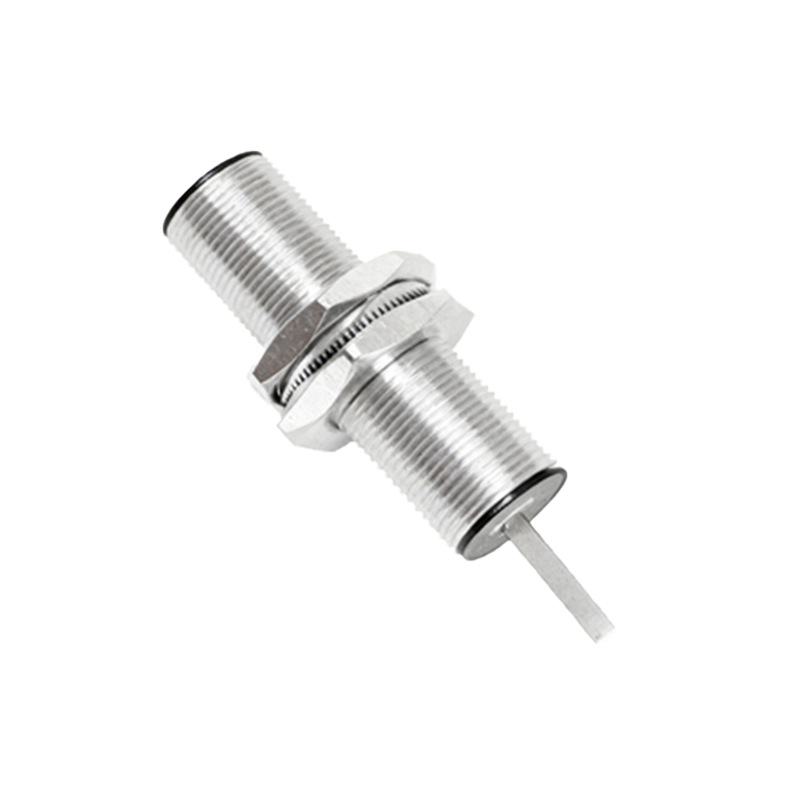
The pin-style M8 proximity sensor offers several distinct advantages that solidify its position in factory settings. Its miniature size is perhaps its greatest asset, allowing installation in extremely tight spaces where larger sensors cannot fit. This is particularly valuable in modern, high-density machinery and robotic end-effectors. The flush-mountable design, enabled by the pin configuration, allows the sensor to be embedded into metal mounting brackets without loss of sensing capability, protecting it from physical damage. The all-metallic housing provides excellent resistance to mechanical stress, cutting fluids, oils, and coolants commonly found in machining centers. With switching frequencies often exceeding 1 kHz, these sensors are perfectly suited for high-speed counting and positioning tasks on conveyor lines or indexing tables. Their simple two-wire or three-wire connection scheme ensures quick and easy installation and replacement, minimizing machine downtime.
Common Use Cases and Installation Best Practices
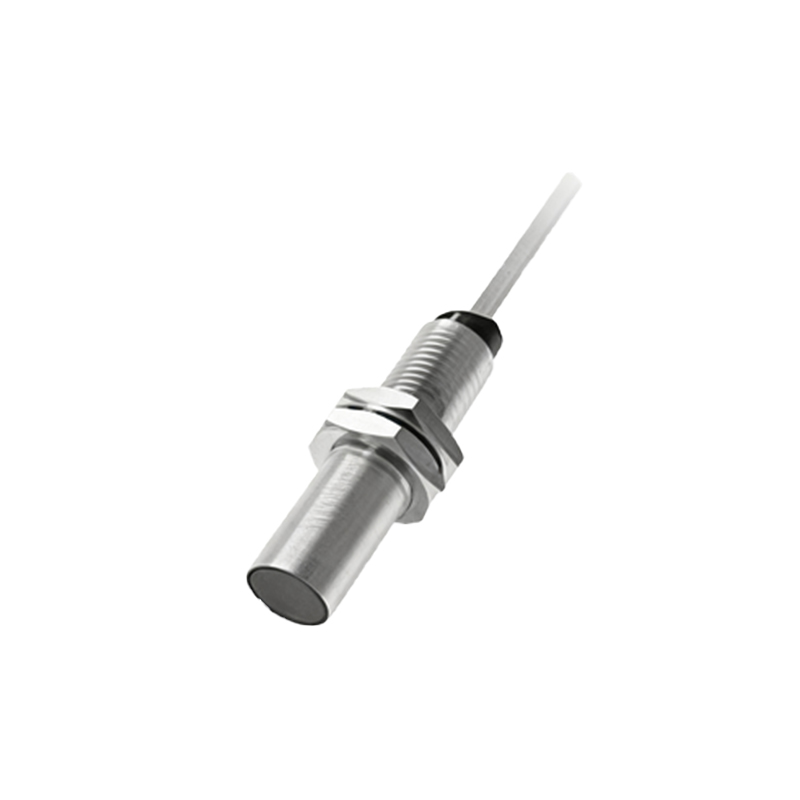
Pin-style M8 sensors find utility across a diverse spectrum of industries. In automotive assembly, they are used for verifying the presence of tiny pistons, springs, or screws. In packaging machinery, they detect the position of metallic triggers on film wrappers or confirm the presence of caps on bottles. In CNC machining, they serve as precise tool breakage detectors or part-in-place verification sensors. For optimal performance, adherence to installation best practices is mandatory. Ensure the target material and size meet the sensor's specifications; the target should be at least as large as the sensor's sensing face. Maintain the recommended mounting distance between sensors to prevent mutual interference when multiple units are installed side-by-side. Always use shielded cables in electrically noisy environments and ground the shield properly at the controller end. For the pin-style variant, ensure the sensing pins are kept clean and free of debris, as buildup can affect performance. Finally, always refer to the manufacturer's datasheet for specific mounting dimensions, temperature ranges, and environmental limitations.
Selection Criteria and Future Trends
Selecting the right pin-style M8 sensor requires a systematic evaluation of the application needs. First, determine the target material (steel, aluminum, brass) to identify the required sensing distance. Next, define the output type needed: PNP (sourcing) is prevalent in Europe and for PLC sinking input modules, while NPN (sinking) is common in Asia. The connection method is another choice: pre-wired cables offer flexibility, while quick-disconnect (QD) versions facilitate easy sensor