Introduction to Modern Proximity Sensing
The landscape of industrial automation is undergoing a profound transformation, driven significantly by advancements in proximity sensor technology. These devices, essential for detecting the presence or absence of objects without physical contact, are evolving beyond their traditional roles. Today's trends are not merely about incremental improvements in detection range or housing durability; they represent a fundamental shift towards intelligence, integration, and adaptability. Engineers and system designers are now leveraging sensors that communicate, analyze, and self-configure, embedding deeper layers of data and diagnostics into the very fabric of manufacturing and logistics processes. This evolution is critical for enabling the next generation of smart factories and responsive supply chains.
Integration of IO-Link and Smart Sensor Capabilities
A dominant trend is the widespread adoption of IO-Link communication protocol in proximity sensors. Moving past simple binary switching, IO-Link transforms standard sensors into intelligent devices within the Industrial Internet of Things (IIoT) ecosystem. These smart sensors transmit detailed parameter and process data—such as temperature, signal strength, switch cycle counts, and internal diagnostics—directly to the control system. This enables predictive maintenance, as potential failures can be anticipated before they cause downtime. Remote configuration and parameterization further reduce machine setup times and enhance flexibility, allowing for quick changeovers in production lines without manual sensor adjustment.
Enhanced Performance in Challenging Environments
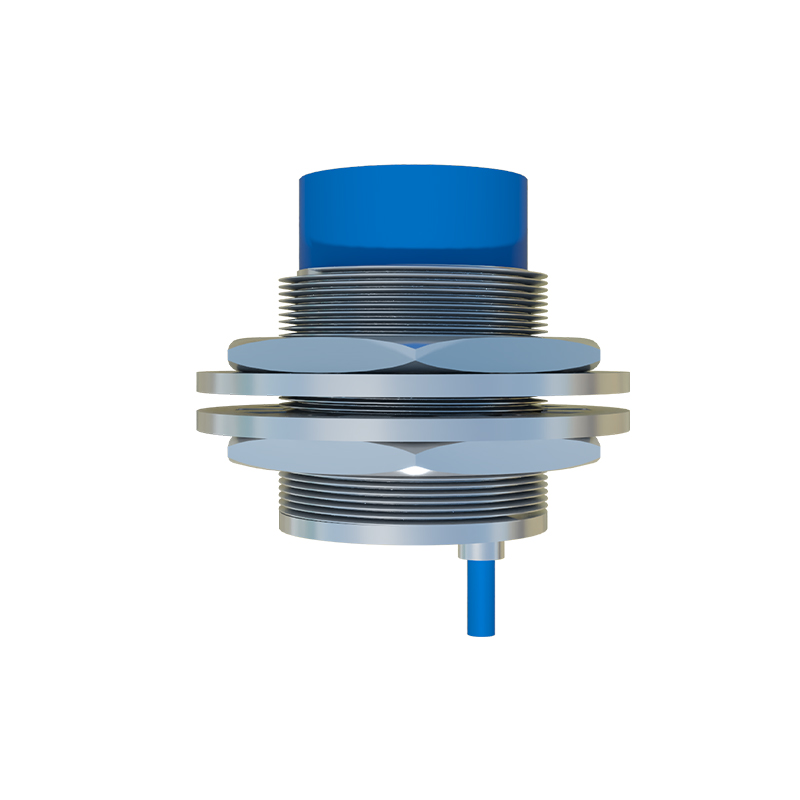
Market demands continue to push the boundaries of sensor robustness and performance. New trends include the development of sensors with exceptionally long sensing ranges using innovative technologies like Time-of-Flight (ToF) principles, even in compact housings. Simultaneously, there is a strong focus on improving immunity to electromagnetic interference (EMI) and environmental factors such as extreme temperatures, coolant ingress, and welding spatter. Manufacturers are introducing housings made from advanced polymers and stainless-steel variants that offer superior chemical resistance and mechanical stability, ensuring reliable operation in harsh industrial settings like food processing, metalworking, and outdoor applications.
Miniaturization and Design Flexibility
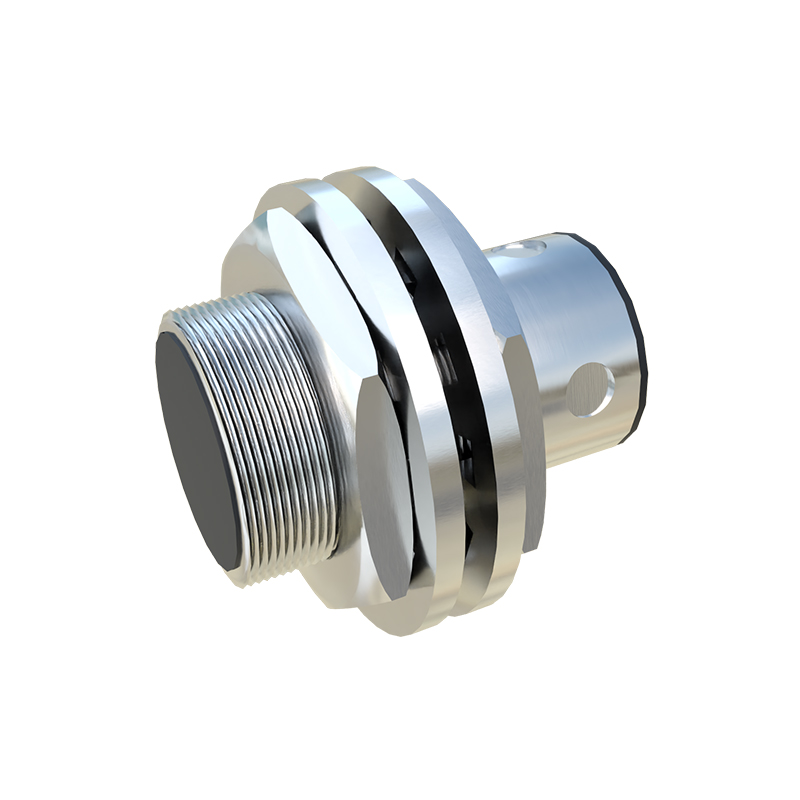
The drive towards smaller, more powerful machinery necessitates equally compact sensing solutions. Proximity sensors are becoming remarkably miniaturized, with cubic or cylindrical designs as small as a few millimeters, yet without sacrificing sensing distance or performance. This trend is complemented by increased design flexibility, including sensors with built-in connectors, modular designs, and varied mounting options. These features simplify installation, reduce wiring complexity, and save valuable space within control panels and on machinery, which is paramount for modern, dense robotic cells and compact automated modules.
Advanced Functional Safety Integration
Functional safety is no longer an optional add-on but a core design requirement. The integration of safety-rated proximity sensors, compliant with standards like ISO 13849 and IEC 61508, is a significant trend. These sensors are designed with redundant circuits and self-monitoring features to achieve high Safety Integrity Levels (SIL) or Performance Levels (PL). They are integral to creating safety functions such as position monitoring for guards, safe limited speed detection, and presence sensing in collaborative robot (cobot) workcells, enabling humans and machines to work safely in closer proximity.
Convergence with Vision and Multi-Technology Sensing
The future points towards sensor fusion, where traditional inductive, capacitive, and ultrasonic proximity sensors are combined with or complemented by other technologies. A key area is the convergence with simple vision sensors and 2D/3D measurement systems. For instance, a compact vision sensor might handle complex object recognition or orientation checks, while an array of robust proximity sensors provides reliable presence detection for the same part. This multi-technology approach allows systems to gather more comprehensive data from a single point, improving decision-making accuracy for quality control, sorting, and robotic guidance applications.
Focus on Sustainability and Energy Efficiency
Environmental considerations are influencing sensor design. New generations of proximity sensors are being developed with lower power consumption, contributing to more energy-efficient machines and reducing the overall carbon footprint of facilities. Furthermore, manufacturers are paying increased attention to the use of recyclable materials in housing construction and improving the longevity of products to reduce electronic waste. This trend aligns with broader corporate sustainability goals and regulatory pressures, making efficient, durable sensors a responsible choice for forward-thinking engineering projects.
Conclusion: The Path Forward for Sensing Solutions
The trajectory for proximity sensor technology is clearly oriented towards creating more connected, intelligent, resilient, and adaptable components. As Industry 4.0 and IIoT initiatives mature, the humble proximity sensor is evolving into a critical data node. For engineers, staying abreast of these trends—in smart communication, environmental robustness, miniaturization, safety, and multi-technology fusion—is essential for designing competitive, efficient, and future-proof automated