Introduction to Photoelectric Sensor Mounting
Photoelectric sensor mounting, often referred to as the sensor bracket or housing, is a critical yet frequently overlooked component in industrial automation. The mounting solution serves as the physical interface between the sensitive photoelectric sensing element and the often harsh industrial environment. Its primary functions extend far beyond simple physical support. A well-designed photoelectric sensor mount ensures precise and repeatable alignment of the sensor's optical axis, protects the sensor from mechanical shock, vibration, and environmental contaminants like dust, oil, and coolant splash, and facilitates easier installation, maintenance, and adjustment. The choice of mounting hardware directly impacts the reliability, accuracy, and longevity of the entire sensing system. In high-speed packaging, material handling, or assembly line applications, a poorly chosen or installed mount can lead to false triggers, missed detections, and costly downtime.
Key Design Considerations for Sensor Mounts
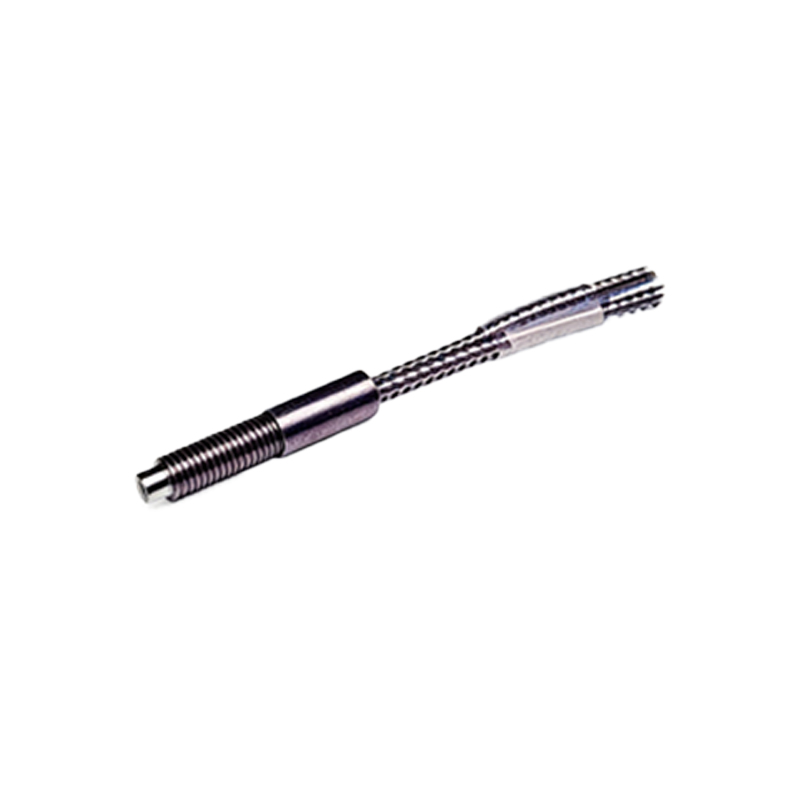
Selecting the optimal photoelectric sensor mount requires a systematic evaluation of several key parameters. First, the mechanical compatibility is paramount. This includes the specific thread size (e.g., M8, M12, M18, M30) or body shape of the sensor, the required mounting orientation (side-mount, front-mount, or through-hole), and the necessary degrees of freedom for adjustment. Many advanced mounts offer micrometer-style fine-adjustment capabilities for precise beam alignment. Second, material selection dictates durability. Common materials include zinc-plated steel for general-purpose use, stainless steel (e.g., SUS304, SUS316) for corrosive or washdown environments, and engineering plastics like PBT for areas requiring electrical insulation or where metal detection is a concern. The structural rigidity of the mount must withstand operational vibrations without allowing the sensor to drift from its set position.
Types of Photoelectric Sensor Mounting Brackets
The market offers a diverse range of mounting brackets tailored to different applications. Standard fixed-angle brackets provide a simple, cost-effective solution for applications where the sensor position is predetermined and unlikely to change. Adjustable or articulating brackets, featuring swivel joints and locking knobs, offer unparalleled flexibility for aligning sensors to targets that are difficult to access or for prototyping setups. Slide-adjust brackets allow for linear positioning along a rail or slot, ideal for sensing objects on a conveyor with variable positions. Specialty mounts include vibration-damping brackets for machinery with high oscillation, extended arm brackets for reaching into confined spaces, and modular mounting systems that allow for the creation of complex multi-sensor arrays on a single rail. The choice depends heavily on the required precision, environmental factors, and need for future reconfiguration.
Installation and Alignment Best Practices
Proper installation is crucial for optimal sensor performance. Begin by securely fastening the mount to a stable, vibration-free surface using appropriate hardware. Avoid mounting on flexible panels that can resonate. Once the sensor is seated in the bracket, the alignment process begins. For through-beam sensors, this involves carefully aligning the emitter and receiver optics. For reflective or diffuse sensors, alignment is with the target. Utilize the adjustment features of the bracket—loosening locking screws, making fine adjustments, and then re-tightening securely. A laser alignment tool, if available with the sensor, significantly simplifies this task. After alignment, it is good practice to apply thread-locking adhesive to adjustment screws in high-vibration environments to prevent gradual loosening. Always perform a functional test by running the target object past the sensor at operational speeds to verify consistent detection.
Impact on System Performance and Reliability
The quality of the photoelectric sensor mount has a direct and measurable impact on overall system performance. A robust mount maintains precise optical alignment, ensuring the sensing beam consistently hits the intended target area. This maximizes the signal strength for the receiver, providing a higher signal-to-noise ratio and greater immunity to electrical interference or ambient light. Mechanically, a sturdy mount absorbs and dissipates energy from impacts or vibrations, preventing internal damage to the sensor's electronic components and lens assembly. In demanding environments, a properly specified mount with adequate IP (Ingress Protection) or NEMA ratings acts as a first line of defense, preventing the ingress of contaminants that could fog the lens or cause electrical shorts. This directly translates to increased mean time between failures (MTBF), reduced maintenance costs, and higher overall equipment effectiveness (OEE) for the production line.
Selection Guide for Specific Applications
Choosing the right mount is an application-driven decision. For clean, dry environments like electronics assembly, standard steel or plastic adjustable brackets are often sufficient. In food and beverage or pharmaceutical processing, where frequent high-pressure washdowns with caustic chemicals occur, electropolished stainless steel brackets with sealed adjustment points are mandatory. For automotive welding lines with intense vibration and spatter, a heavy-duty, fixed-angle bracket with a protective shield may be necessary. In logistics and parcel handling, where package size and position on a conveyor belt vary, a slide-adjust or quickly re-positionable bracket allows for easy adaptation. Always consult the sensor manufacturer's catalog, as they typically offer a curated selection of compatible mounting accessories designed and tested to work seamlessly with their specific sensor models, ensuring guaranteed performance and simplifying procurement.