Introduction to Explosion-Proof Proximity Sensors
Explosion-proof proximity sensors are specialized devices designed to detect the presence or absence of objects in hazardous environments where flammable gases, vapors, or combustible dusts may be present. Unlike standard sensors, these units are constructed with robust enclosures that can contain any internal explosion and prevent it from igniting the surrounding atmosphere. They operate on non-contact principles, typically using electromagnetic fields, infrared light, or ultrasonic sound to sense targets. The core requirement is compliance with international standards such as ATEX, IECEx, or NEC, which certify their safety for use in classified zones. This makes them indispensable in industries like oil and gas, chemical processing, mining, and grain handling, where safety is paramount.
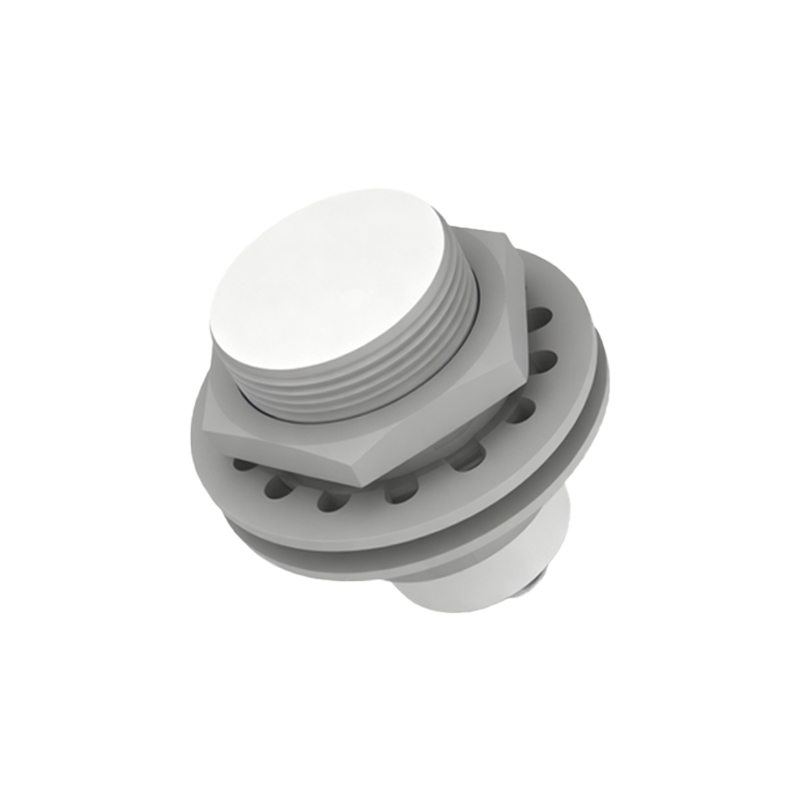
Key Design Principles and Construction
The design of an explosion-proof proximity sensor focuses on containment and isolation. The housing is usually made from durable materials like stainless steel or brass, with thick walls and flame paths that cool any escaping gases below the ignition temperature of the external atmosphere. Electrical connections are secured via conduit seals to prevent sparks. Internally, the sensing element is isolated from potential ignition sources. Common types include inductive sensors for metal detection and capacitive sensors for non-metallic materials. These sensors are rated for specific temperature classes and gas groups, ensuring they do not become a source of ignition even under fault conditions.
Operating Mechanisms and Technology
Explosion-proof proximity sensors utilize various technologies to perform reliably in harsh conditions. Inductive sensors generate an oscillating electromagnetic field; when a metallic object enters this field, it induces eddy currents that dampen the oscillation, triggering a switch. Capacitive sensors detect changes in capacitance caused by the presence of any material, making them versatile for liquids or powders. Ultrasonic sensors measure the time-of-flight of sound waves. Regardless of type, the electronics are often intrinsically safe, limiting energy to levels too low to cause ignition. Advanced models feature diagnostic LEDs and programmable outputs for integration with control systems.
Critical Applications in Hazardous Areas
These sensors play a vital role in automating processes while maintaining safety. In petrochemical plants, they monitor valve positions or detect levels in tanks containing flammable liquids. Mining operations use them on conveyor belts to track material flow and prevent jams. Grain elevators employ them to sense bin levels, avoiding dust cloud formation. They are also found in pharmaceutical manufacturing where alcohol-based solvents are used. By providing reliable object detection without physical contact, they reduce the risk of sparks from mechanical switches, thereby preventing catastrophic explosions and ensuring continuous operation.
Selection Criteria and Installation Guidelines
Choosing the right explosion-proof proximity sensor requires careful consideration. First, identify the hazardous area classification (Zone 0/1/2 or Division 1/2) and the type of hazardous material (gas, dust). Match the sensor’s certification to these conditions. Consider the sensing range, output type (PNP/NPN, analog), and environmental factors like temperature and pressure. Installation must follow strict guidelines: proper grounding, use of certified cable glands, and regular maintenance to check for corrosion or damage. Calibration may be needed for capacitive or ultrasonic sensors to account for material changes. Always refer to manufacturer instructions and local regulations.
Benefits and Future Trends
The primary benefit of explosion-proof proximity sensors is enhanced safety, protecting both personnel and infrastructure. They also improve efficiency by enabling automation in areas where manual monitoring is dangerous. Durability leads to reduced downtime and lower lifecycle costs. Looking ahead, trends include the integration of IoT capabilities for predictive maintenance, wireless communication to simplify installation, and miniaturization without compromising safety ratings. Smart sensors with self-diagnostic features are becoming more common, allowing real-time health monitoring and immediate fault detection, further boosting reliability in critical applications.