Introduction to Huayifeng Photoelectric Sensors
In the dynamic landscape of industrial automation, photoelectric sensors serve as the critical eyes of machinery, enabling non-contact detection of objects. Huayifeng has established itself as a prominent manufacturer in this field, delivering sensors that combine advanced optical technology with robust engineering. These devices are engineered to perform reliably in diverse and challenging environments, from clean rooms to harsh factory floors. The core principle involves emitting a light beam—typically infrared, visible red, or laser—and detecting changes in the received light caused by the presence, absence, or characteristics of a target object. This fundamental capability forms the backbone of countless automation processes, including positioning, counting, and quality inspection.
Core Technologies and Product Design
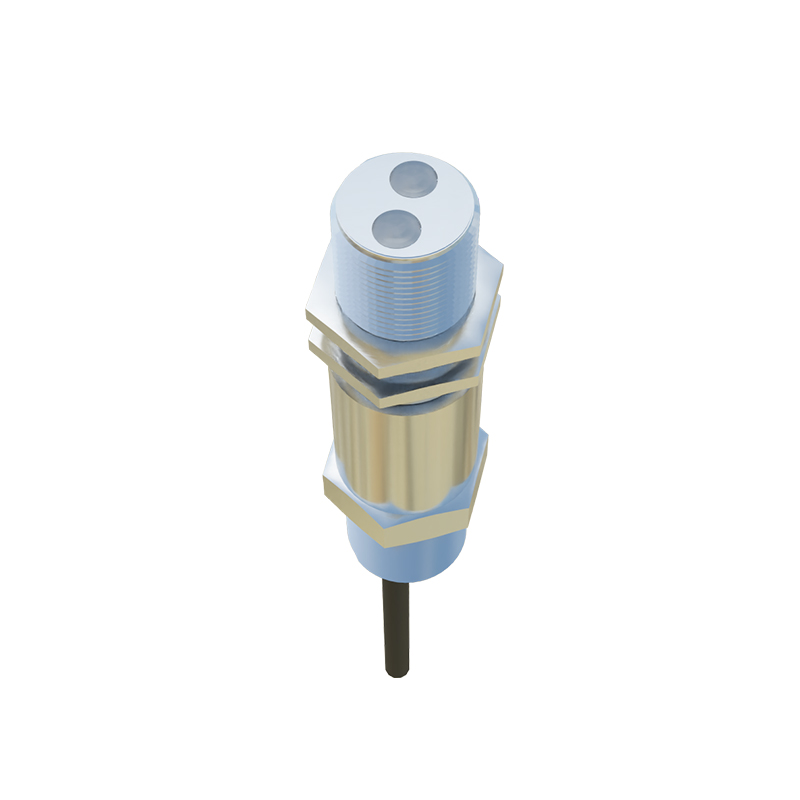
Huayifeng photoelectric sensors leverage several key technologies to ensure high performance. The through-beam type, featuring separate emitter and receiver units, offers the longest sensing distances and highest immunity to environmental interference. Retro-reflective sensors utilize a reflector to bounce the beam back, providing a practical solution for many applications. Diffuse reflective sensors, where the emitter and receiver are housed together, detect objects by measuring the light scattered directly from the target's surface. Furthermore, Huayifeng incorporates background suppression technology in many models, allowing the sensor to ignore objects beyond a set distance, and precise color recognition or contrast detection for specialized tasks. The housings are typically constructed from durable materials like nickel-plated brass or industrial-grade plastics, ensuring IP67 or higher ingress protection against dust and water.
Application Scenarios in Modern Industry
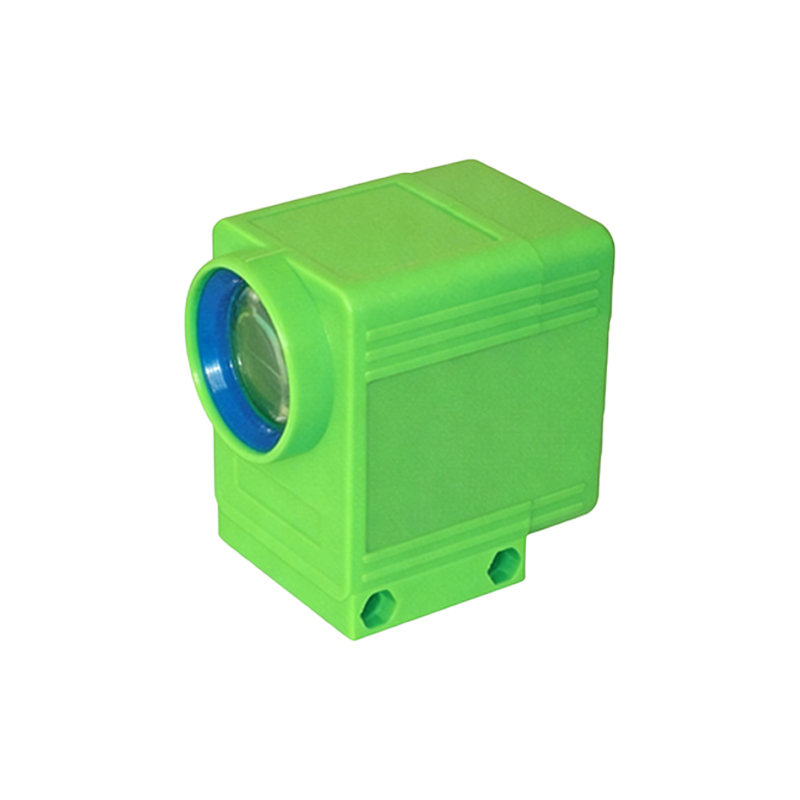
The versatility of Huayifeng sensors makes them indispensable across sectors. In packaging lines, they accurately detect the presence of boxes on conveyors, triggering downstream actions like labeling or sorting. Within the automotive industry, these sensors verify the correct placement of components on assembly robots, ensuring manufacturing precision. They are crucial in material handling for palletizing and depalletizing operations, preventing collisions and optimizing workflow. In the electronics sector, miniature sensors perform delicate tasks such as verifying chip placement on circuit boards. Additionally, their use extends to safety systems, where they create light curtains to protect workers from hazardous machine movements, showcasing their role in both operational efficiency and personnel safety.

Advantages Over Competing Solutions
Choosing Huayifeng photoelectric sensors presents distinct advantages. First is their exceptional stability and longevity, achieved through rigorous quality control and the use of high-grade electronic components, leading to reduced downtime and maintenance costs. Second, they offer remarkable flexibility; many models feature adjustable sensing ranges, teach-in functions for easy setup, and various output configurations (NPN/PNP, analog, IO-Link) to seamlessly integrate with different PLC systems. Third, their design prioritizes resistance to common industrial challenges, such as optical interference from ambient light, buildup of dust or condensation on lenses, and electrical noise. This robustness translates to consistent performance where other sensors might fail, providing a superior return on investment through reliable operation.
Installation, Configuration, and Best Practices
Proper installation is paramount for optimal sensor performance. It is essential to securely mount the sensor, ensuring alignment between emitter and receiver for through-beam types, and correct angle towards the reflector or target area. The sensing environment must be considered; for instance, highly reflective backgrounds may require sensors with background suppression, while detecting transparent objects might need a polarized lens filter. Configuration often involves setting the sensitivity potentiometer or using a push-button teach mode to define the detection threshold. Regular maintenance, including lens cleaning and checking for physical damage or loose connections, will prolong service life. Following the manufacturer's guidelines for voltage supply and load connection prevents electrical faults.
Future Trends and Huayifeng's Roadmap
The future of photoelectric sensing is intertwined with Industry 4.0 and smart manufacturing. Huayifeng is actively developing sensors with enhanced connectivity, such as integrated IO-Link interfaces that provide detailed diagnostic data, parameter setting from a controller, and predictive maintenance capabilities. Miniaturization continues to be a trend, allowing sensors to fit into increasingly compact machinery. There is also a growing focus on multi-functional sensors that can simultaneously measure distance, detect color, and assess surface condition. Furthermore, improvements in laser diode technology promise even finer precision and longer ranges. Huayifeng's commitment to R&D positions it to not only follow these trends but to innovate, ensuring its sensors remain at the forefront of enabling more intelligent, efficient, and adaptive automated systems.