Introduction to Baumer's Photoelectric Sensor Technology
Baumer stands as a preeminent force in the global industrial sensor market, renowned for its innovative and reliable photoelectric sensor solutions. These devices are fundamental components in modern automation, providing non-contact detection of objects, positions, or levels across countless applications. Baumer's portfolio is distinguished by its exceptional precision, robust construction, and advanced functionalities designed to meet the stringent demands of industries such as packaging, food and beverage, automotive, and logistics. The company's commitment to research and development ensures its sensors deliver superior performance in challenging environments, resisting factors like dust, moisture, vibration, and extreme temperatures. This technological edge has cemented Baumer's reputation as a trusted partner for engineers and system integrators worldwide.
Core Product Families and Technological Advancements
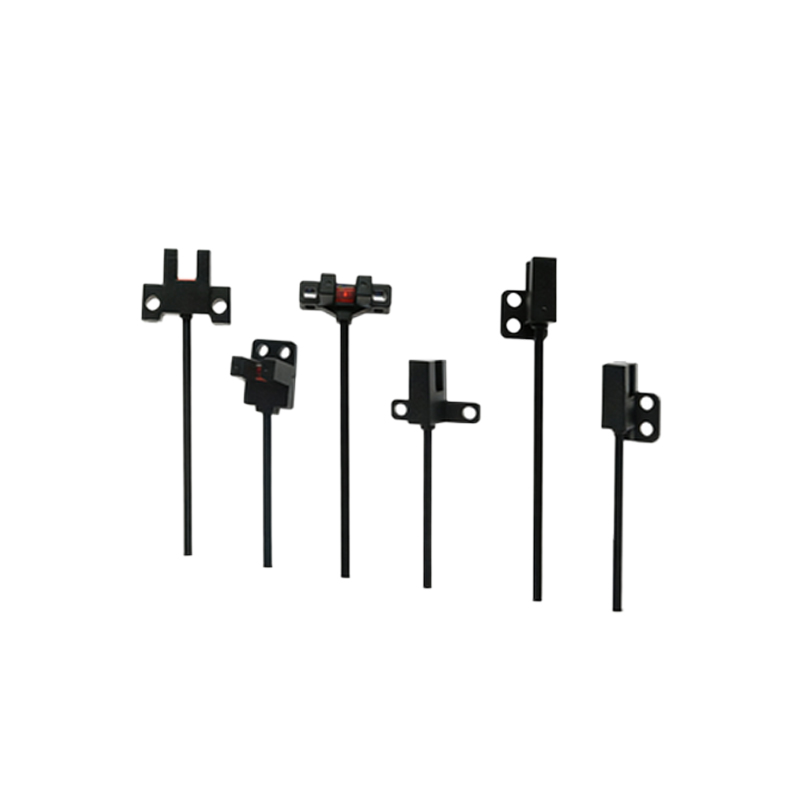
Baumer's photoelectric sensor range is extensive, categorized primarily by sensing modes: through-beam, retro-reflective, diffuse, and background suppression. Each family incorporates cutting-edge technology. For instance, their O300 series offers miniature sensors with powerful background suppression, ideal for precise detection tasks in confined spaces. The innovative OxyScan technology, featured in certain models, provides unparalleled precision in distance measurement and contour detection, enabling complex tasks like fill-level monitoring or robot guidance. Furthermore, Baumer integrates IO-Link communication as a standard in many sensors, facilitating smart sensor capabilities. This allows for remote parameterization, continuous condition monitoring, and seamless integration into Industry 4.0 and IIoT frameworks, providing valuable diagnostic data and predictive maintenance insights.
Application-Specific Solutions for Diverse Industries
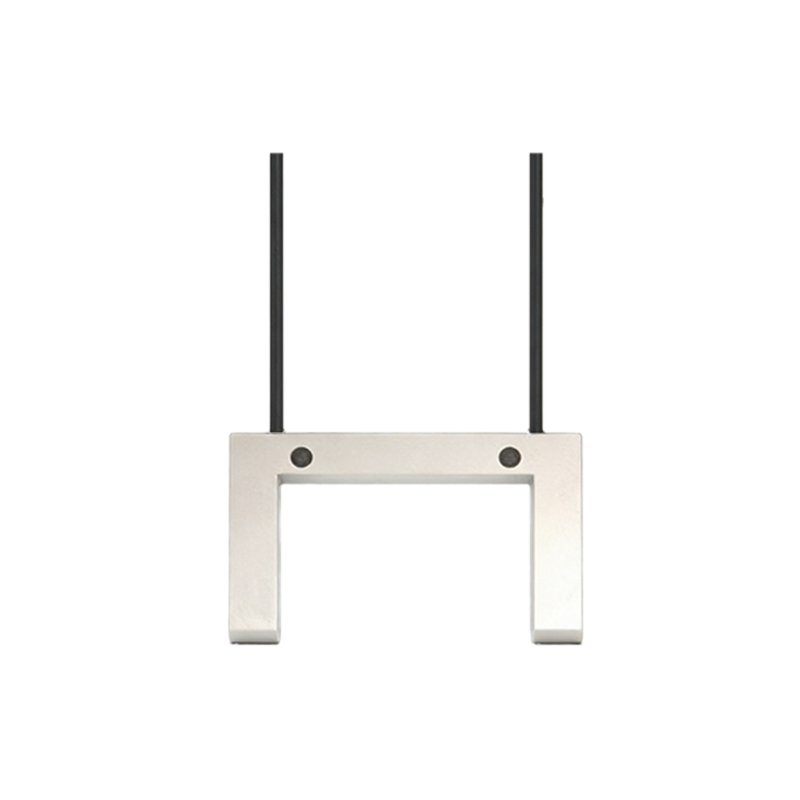
The versatility of Baumer photoelectric sensors is demonstrated through their tailored solutions for specific sectors. In packaging machinery, high-speed sensors ensure accurate label detection, cap placement, and product counting, maximizing throughput and minimizing waste. Within the food and beverage industry, sensors with FDA-compliant materials and high-pressure washdown certifications (IP69K) guarantee hygiene and reliability. For automotive assembly lines, robust sensors with precise background suppression reliably detect shiny or dark components on conveyor belts. In material handling and logistics, long-range sensors monitor warehouse aisles and guide automated guided vehicles (AGVs). Baumer's ability to provide application-optimized variants, such as sensors with polarized filters to ignore glossy surfaces or specialized lenses for long ranges, underscores their customer-centric engineering approach.
Market Position and Competitive Advantages
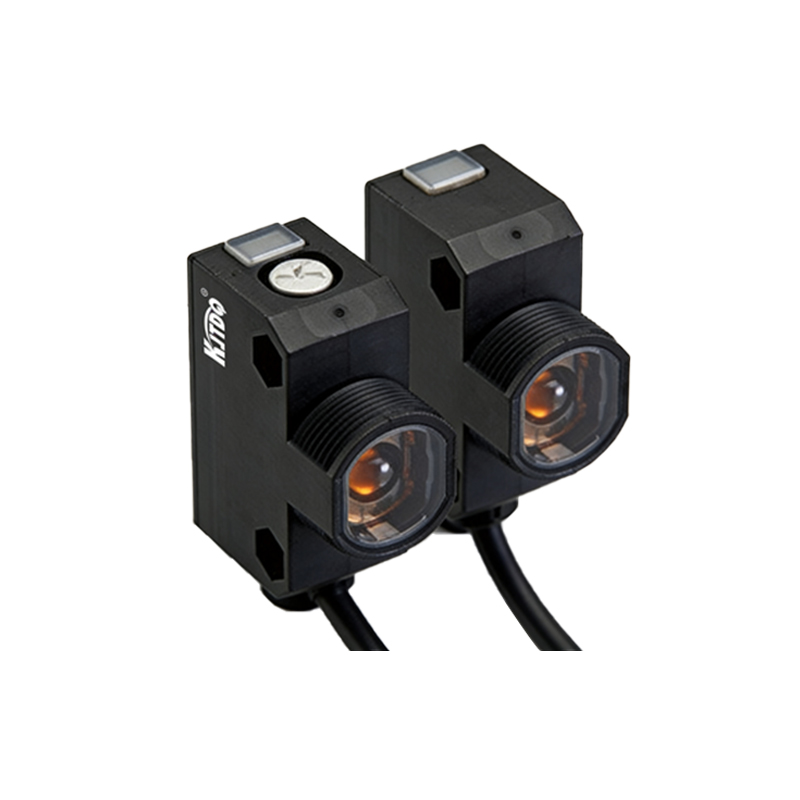
Baumer holds a significant and respected position in the competitive photoelectric sensor market. Its competitive advantages are multifaceted. First is an unwavering focus on quality and durability, leading to long service life and reduced total cost of ownership for customers. Second is a global presence with localized technical support, ensuring rapid response and application expertise. Third, the company's vertical integration in manufacturing key components, like LEDs and ASICs, ensures consistent quality and fosters innovation. Unlike some competitors who may compete solely on price, Baumer competes on value—delivering superior performance, reliability, and smart features that enhance overall system intelligence and efficiency. This strategy has secured partnerships with leading OEMs and end-users who cannot afford sensor failure.
Future Trends and Baumer's Strategic Direction
The future of photoelectric sensing is intertwined with trends like miniaturization, increased intelligence, and enhanced connectivity. Baumer is strategically positioned to lead this evolution. Continued development in miniaturized yet powerful sensor designs will open new applications in compact machinery and robotics. The expansion of IO-Link and the integration of more sophisticated onboard diagnostics will further blur the line between sensors and measurement instruments. Baumer is also investing in technologies that simplify installation and commissioning, such as innovative setup aids and intuitive software tools. As industries push for greater flexibility and data-driven operations, Baumer's sensors will evolve from simple switching devices into intelligent data points within a connected factory ecosystem, solidifying their role as enablers of the next generation of industrial automation.