What is a Proximity Sensor Barcode?
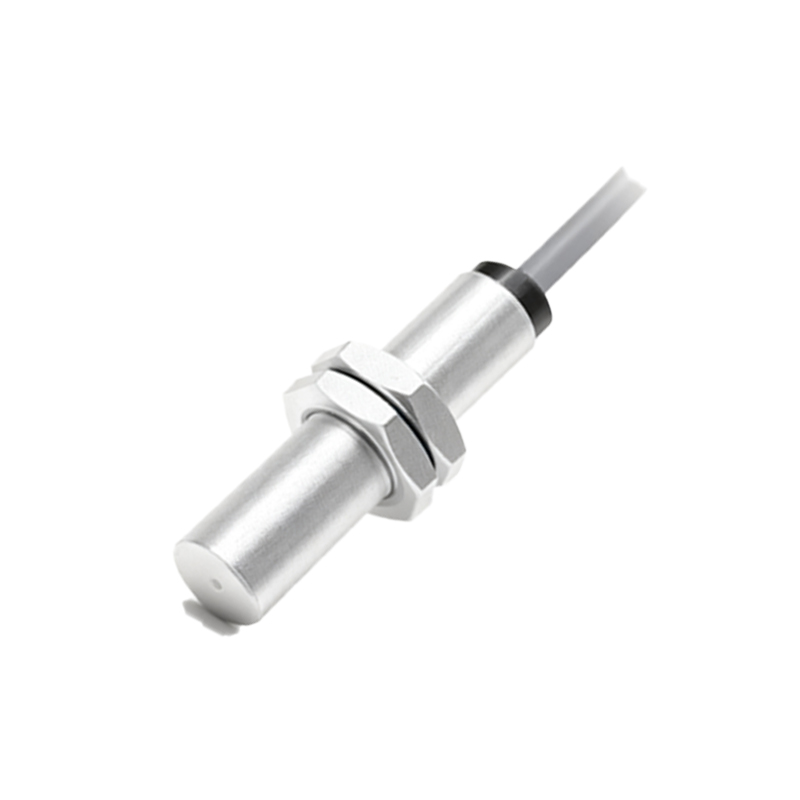
A proximity sensor barcode is a specialized, machine-readable identification label affixed directly to a proximity sensor housing. Unlike standard product labels, this barcode contains critical technical and logistical data encoded in a format that can be rapidly scanned by handheld readers or fixed industrial scanners. It serves as the sensor's unique digital fingerprint within a production facility or warehouse management system. The barcode typically follows global standards like EAN-13, Code 128, or Data Matrix, ensuring compatibility with widespread industrial scanning infrastructure. Its primary function is to bridge the physical device with its digital twin in databases, enabling seamless tracking, configuration, and maintenance workflows.
Key Information Encoded in the Barcode
The data matrix of a proximity sensor barcode is far more informative than a simple part number. It systematically encodes a wealth of information essential for engineers and technicians. Core data points include the sensor's unique serial number, exact model number, and manufacturing date or batch code. Furthermore, it often contains key technical specifications such as sensing range (e.g., 5mm, 10mm), output type (PNP/NPN, NO/NC), operating voltage range (e.g., 10-30V DC), and electrical current rating. For intelligent sensors, the barcode might also hold calibration data, firmware version, or a direct web link to the technical datasheet. This dense packaging of information eliminates manual data entry errors and speeds up identification processes dramatically.
Applications in Industrial Automation and Logistics
In modern industrial settings, proximity sensor barcodes are indispensable for efficiency and traceability. During the initial machine assembly or panel building phase, technicians scan each sensor to automatically populate device lists in PLC programming software or asset management systems. In warehouse and spare parts logistics, barcodes enable precise inventory control, allowing for quick picking and verification of the correct sensor type for replacement. For maintenance teams, scanning a sensor on a malfunctioning machine instantly pulls up its service history, wiring diagrams, and replacement instructions, drastically reducing machine downtime. This application extends to entire digital twin and IIoT (Industrial Internet of Things) ecosystems, where the barcode acts as the key to unlock the sensor's data stream and integration parameters.
Benefits for System Integration and Maintenance
The implementation of barcodes on proximity sensors delivers substantial operational benefits. The most significant advantage is the drastic reduction in human error during part identification and system documentation. It also accelerates commissioning and integration processes, as scanning automatically configures device parameters in control systems. For maintenance and troubleshooting, it provides instant access to accurate technical data, preventing the installation of incompatible replacements. From a lifecycle management perspective, it enhances traceability for quality control, recall management, and warranty validation. Overall, it transforms sensor management from a manual, error-prone task into a streamlined, digital, and reliable procedure.
Future Trends: QR Codes and RFID Integration
While traditional linear barcodes are prevalent, the industry is gradually adopting more data-rich solutions. Two-dimensional barcodes, like QR codes, are becoming common as they can store significantly more information, including direct URLs to manuals, calibration certificates, or video tutorials. The next evolutionary step is the integration of RFID (Radio-Frequency Identification) tags embedded within the sensor housing. RFID enables wireless, non-line-of-sight identification, allowing sensors to be inventoried or identified even when installed in hard-to-reach locations. This convergence of identification technology with sensor hardware paves the way for fully automated, smart factories where every component can report its own identity and status autonomously.