Introduction to Photoelectric Sensor Technology
Photoelectric sensors are critical components in modern industrial automation, leveraging light beams to detect the presence, absence, or distance of objects. These devices operate on principles such as through-beam, retro-reflective, and diffuse sensing methods, each suited for specific applications. Through-beam sensors offer the longest sensing ranges and highest reliability by using separate emitter and receiver units. Retro-reflective types utilize a reflector to bounce light back to the receiver, ideal for medium-range tasks. Diffuse sensors rely on light reflected directly from the target, providing compact solutions for close-range detection. Understanding these technologies is essential for selecting sensors that ensure precision in demanding environments like manufacturing lines, packaging systems, and material handling.
Key Factors in Evaluating Sensor Brands
When assessing photoelectric sensor brands, engineers must consider multiple technical and practical factors. Sensing range and accuracy are paramount, as they directly impact system performance. Brands that offer sensors with adjustable sensitivity and high repeatability often stand out. Environmental durability is another critical aspect; look for models with robust housings (e.g., IP67 or higher ratings) to withstand dust, moisture, and temperature fluctuations. Response time is vital for high-speed applications, where milliseconds can affect throughput. Additionally, compatibility with industry protocols (like IO-Link or Ethernet/IP) and ease of integration into existing control systems can streamline operations. Cost-effectiveness, including long-term maintenance and availability of spare parts, also plays a significant role in brand selection.
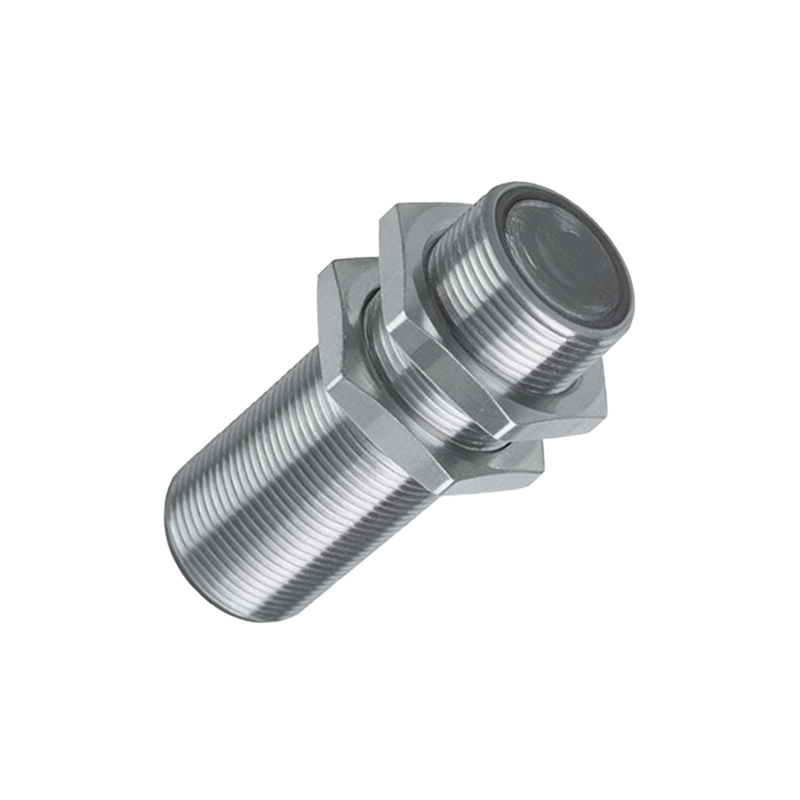
Top Contenders in the Photoelectric Sensor Market
Several brands dominate the photoelectric sensor industry, each with distinct strengths. Omron, a Japanese leader, is renowned for its innovative designs and reliability, offering sensors with advanced features like background suppression and precise alignment indicators. Siemens, a German powerhouse, provides sensors that excel in harsh industrial environments, often integrating seamlessly with their automation suites. Banner Engineering, based in the U.S., focuses on user-friendly solutions with high visibility indicators and rugged construction for versatile applications. Keyence, another Japanese brand, is known for ultra-compact sensors with exceptional precision, ideal for space-constrained setups. Lastly, Schneider Electric offers cost-effective options without compromising on performance, making them popular for budget-conscious projects.
Comparative Analysis of Leading Brands
A detailed comparison reveals how each brand caters to different needs. Omron sensors, such as the E3Z series, are praised for their durability and consistent performance in repetitive tasks, though they may come at a premium price. Siemens' SIMATIC sensors integrate well with PLC systems, reducing setup time but requiring familiarity with their ecosystem. Banner Engineering's S18 series stands out for its ease of installation and robust output, suitable for diverse industries from automotive to food processing. Keyence's FU series offers cutting-edge technology like fiber-optic options for extreme conditions, but their specialized nature can limit flexibility. Schneider Electric's XU series provides reliable basic functions at competitive prices, though they might lack advanced features found in higher-end models. Engineers should weigh these trade-offs based on application-specific requirements.
Application-Specific Recommendations
Selecting the best brand often depends on the application context. For high-speed packaging lines where precision is critical, Keyence or Omron sensors are recommended due to their fast response and accuracy. In heavy-duty environments like mining or construction, Siemens or Banner Engineering models with superior ingress protection are preferable. For general-purpose automation in small to medium enterprises, Schneider Electric offers a balance of affordability and reliability. In cleanroom or pharmaceutical settings, sensors with stainless steel housings and minimal particle generation, such as those from Omron, ensure compliance with strict standards. Always consult technical datasheets and conduct on-site testing to validate performance under real-world conditions.
Future Trends and Innovations
The photoelectric sensor landscape is evolving with advancements in smart manufacturing and Industry 4.0. Emerging trends include sensors with embedded IoT capabilities, enabling predictive maintenance and data analytics for optimized operations. Brands like Siemens and Omron are developing models with enhanced connectivity via wireless protocols or cloud integration. Miniaturization continues, with Keyence leading in ultra-small designs for robotics and wearable tech. Additionally, energy-efficient sensors that reduce overall system power consumption are gaining traction, aligning with sustainability goals. As artificial intelligence becomes more integrated, expect sensors with self-diagnostic features and adaptive sensing algorithms to become standard, further elevating brand competitiveness.
Conclusion and Final Insights
Choosing the best photoelectric sensor brand involves a nuanced evaluation of technical specifications, environmental demands, and budget constraints. While Omron and Keyence excel in precision and innovation, Siemens and Banner Engineering offer robustness and integration ease. Schneider Electric remains a solid choice for cost-sensitive projects. Ultimately, the "best" brand is context-dependent; engineers should prioritize factors like sensing range, durability, and compatibility with existing infrastructure. Regularly reviewing industry updates and engaging with supplier demonstrations can aid in making informed decisions that enhance operational efficiency and longevity in automated systems.