Understanding Photoelectric Sensor Technology
Photoelectric sensors are indispensable components in modern industrial automation, utilizing a light emitter and receiver to detect the presence, absence, or distance of objects. The core principle involves the emitter projecting a light beam—visible red, infrared, or laser—which is then either reflected back to the receiver (diffuse mode), interrupted by an object (through-beam mode), or reflected via a separate reflector (retro-reflective mode). Each sensing mode offers distinct advantages: through-beam provides the longest sensing range and highest reliability, diffuse mode allows for easy installation without a separate reflector, and retro-reflective strikes a balance between the two. The choice of light source significantly impacts performance; laser sensors enable precise detection of tiny objects, while infrared variants excel in environments with ambient light interference. Understanding these fundamental technologies is the first step in selecting the optimal sensor for any application, from packaging and material handling to automotive assembly and pharmaceutical production.
Key Selection Criteria for Optimal Performance
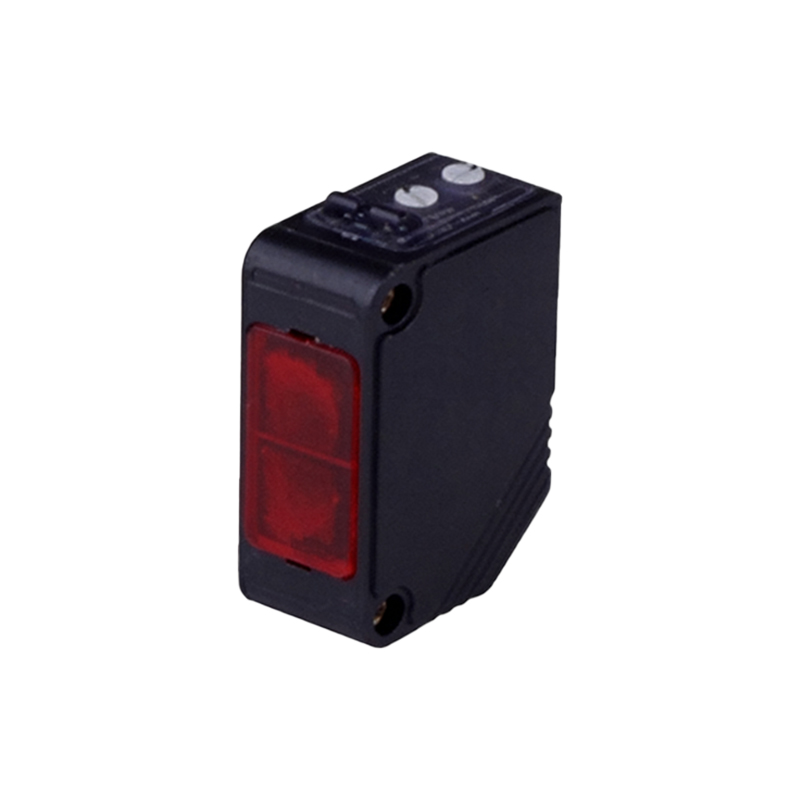
Selecting the right photoelectric sensor requires a careful evaluation of several technical parameters beyond just the sensing mode. The sensing range, or the maximum distance at which the sensor can reliably detect an object, is paramount. Environmental factors pose critical challenges; sensors must be rated with appropriate Ingress Protection (IP) codes for dust and water resistance, and constructed to withstand vibrations, temperature extremes, and exposure to chemicals. Response time, the speed at which the sensor can detect a change and output a signal, is crucial for high-speed production lines. Additionally, the output configuration—whether NPN, PNP, analog, or IO-Link for digital communication—must be compatible with the existing control system. For complex applications, advanced features like background suppression, which allows detection independent of object color or reflectivity, and adjustable sensing thresholds become essential for maintaining consistent operation.
Leading Manufacturers and Their Market Position
The global market for photoelectric sensors is dominated by several established manufacturers, each with unique strengths. Omron, a Japanese multinational, is renowned for its innovation, reliability, and extensive product portfolio, particularly in factory automation. Their E3Z and E3JK series are industry benchmarks for general-purpose applications. Siemens, a German engineering giant, offers robust sensors like the SIMATIC series that excel in harsh industrial environments and integrate seamlessly into Totally Integrated Automation (TIA) systems. Banner Engineering, based in the United States, is highly regarded for its application expertise, user-friendly designs, and durable sensors such as the QS18 series, often preferred in packaging and material handling. Keyence, another Japanese leader, is synonymous with high-precision, advanced-feature sensors, including laser models ideal for electronics assembly and inspection. Rockwell Automation (Allen-Bradley) provides sensors that are optimized for integration with their ControlLogix and CompactLogix PLC ecosystems, ensuring simplified commissioning and diagnostics.
Top-Rated Sensor Models for Various Applications
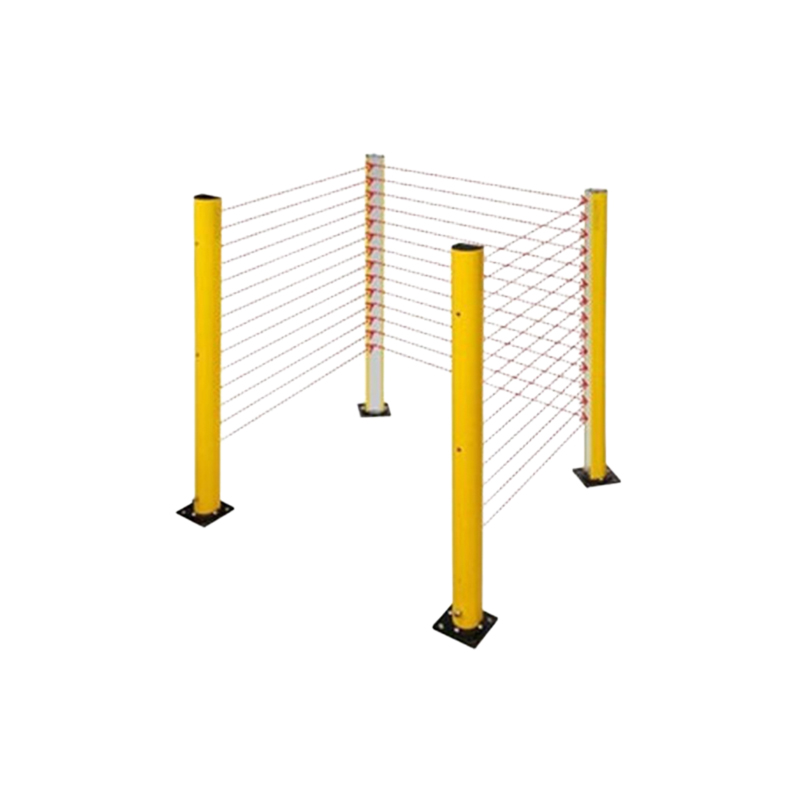
For long-range, through-beam detection in demanding environments, the Banner QS18HP series is a top contender, offering ranges up to 100 meters with high immunity to dirt and moisture. In diffuse mode applications requiring precise detection regardless of color or surface, the Omron E3Z-LS series with advanced background suppression technology delivers exceptional performance. For space-constrained installations, the compact and versatile Siemens 3RG series photoelectric sensors provide multiple sensing modes in a tiny housing. When ultra-high precision is needed, such as detecting minute components on a PCB, the Keyence LV-N series laser sensor is unparalleled. For basic, cost-effective diffuse sensing, the Allen-Bradley 42EF RightSight M18 sensor offers reliable performance and easy alignment. Finally, for applications demanding smart sensor capabilities with data-rich communication for predictive maintenance, the IO-Link enabled versions of the Omron E3Z or Banner Q4X series are excellent future-proof choices.
Future Trends and Smart Sensor Integration
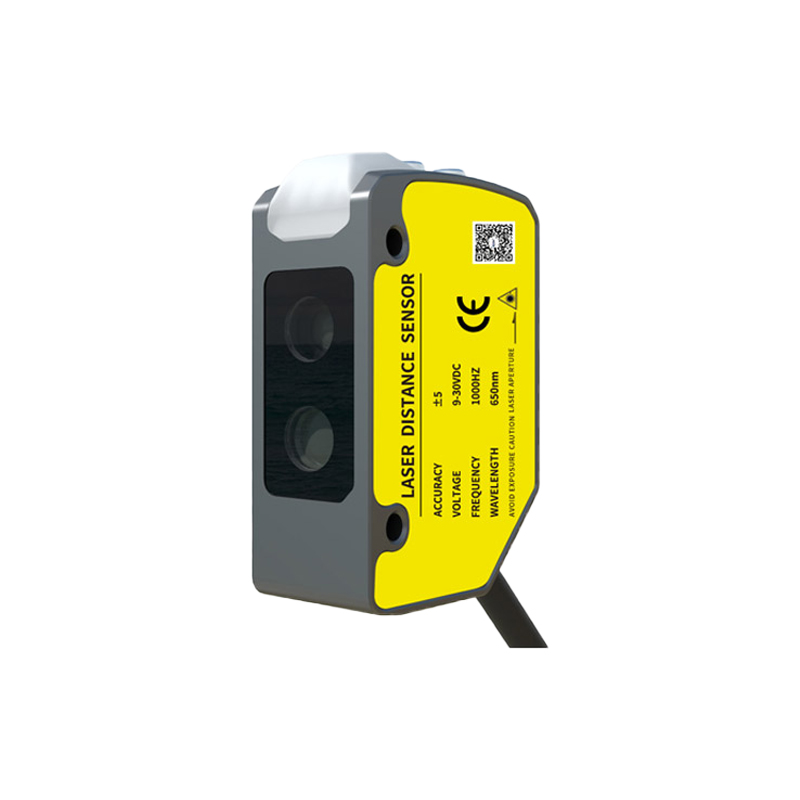
The future of photoelectric sensing is inextricably linked to Industry 4.0 and the Industrial Internet of Things (IIoT). The next generation of sensors is becoming smarter, equipped with integrated processors and communication protocols like IO-Link. This allows for bidirectional data exchange, enabling remote configuration, real-time diagnostics, and the transmission of process values (e.g., measured distance) rather than just a simple on/off signal. This data facilitates predictive maintenance, alerting operators to lens contamination or performance drift before a failure occurs. Furthermore, advancements in optics and algorithms are leading to sensors with enhanced capabilities, such as true color recognition, precise contour detection, and the ability to ignore specific background objects. As production lines become more flexible and data-driven, the photoelectric sensor evolves from a simple detection switch into a critical node in a networked, intelligent automation system, providing invaluable insights for optimizing efficiency and productivity.