Introduction to Proximity Sensor Technology
In the realm of industrial automation, the integration of sensing technology with communication devices marks a significant leap forward. An original proximity sensor phone represents this convergence, engineered to provide real-time data acquisition and transmission directly from the sensor node to control systems or personnel. Unlike standard industrial phones, these specialized devices incorporate genuine, high-grade inductive, capacitive, or photoelectric proximity sensors. These sensors are sourced directly from manufacturers known for precision and reliability, ensuring the phone operates with the highest accuracy in detecting the presence or absence of metallic and non-metallic objects without physical contact. This foundational technology is critical for environments where immediate, actionable intelligence from the production floor is paramount.
Core Technical Specifications and Design
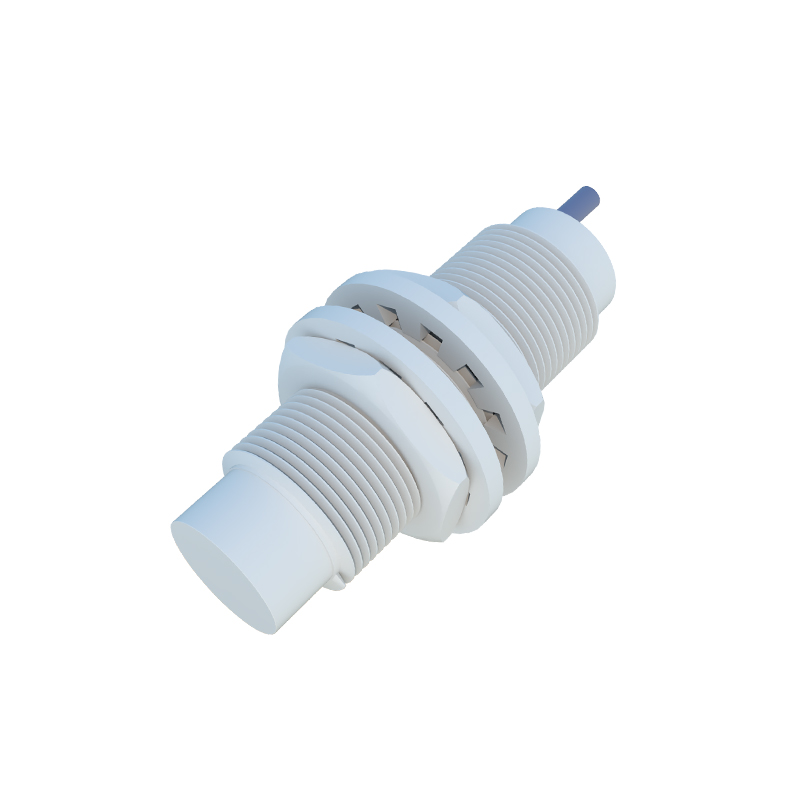
The architecture of an original proximity sensor phone is built for robustness. The housing typically conforms to IP67 or higher ratings, providing dust and water resistance essential for harsh factory floors, washdown areas, or outdoor installations. The integrated sensor, often an inductive type for metal detection, features a specific sensing range, response frequency, and output type (e.g., PNP/NPN). The communication module is equally vital, supporting industrial protocols like PROFINET, EtherNet/IP, or simple relay outputs that trigger a phone call or SMS alert. Power supply options are designed for flexibility, accepting a wide range of DC voltages commonly found in control panels. The design philosophy prioritizes minimal maintenance, long-term stability, and seamless integration into existing Programmable Logic Controller (PLC) or Supervisory Control and Data Acquisition (SCADA) networks.
Operational Workflow and Application Scenarios
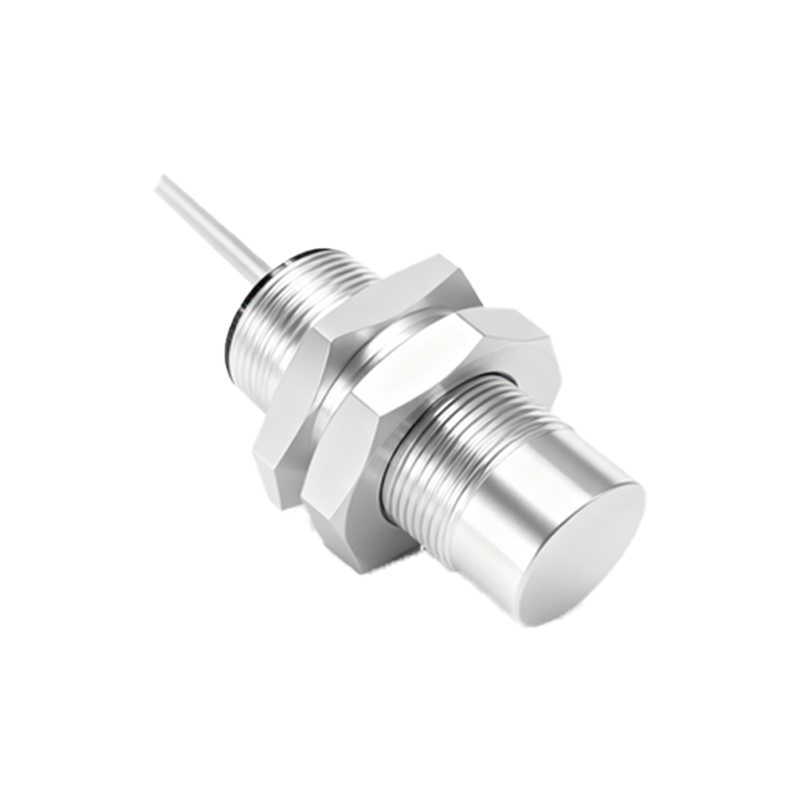
The operational principle is elegantly straightforward yet powerful. When the embedded proximity sensor detects a predefined event—such as a machine jam, a bin reaching fill level, or a safety door opening—it sends a signal to the phone's internal processing unit. This unit then executes a pre-programmed communication routine. This could be an automated voice call to a maintenance engineer's mobile, a text message with error code details to a supervisory team, or a data packet sent to a central server. Key application scenarios include predictive maintenance alerts, inventory monitoring on conveyor lines, safety perimeter breaches, and remote monitoring of unattended equipment. It transforms a simple binary detection event into an immediate, intelligent notification, drastically reducing machine downtime and human intervention time.
Advantages Over Conventional Monitoring Systems
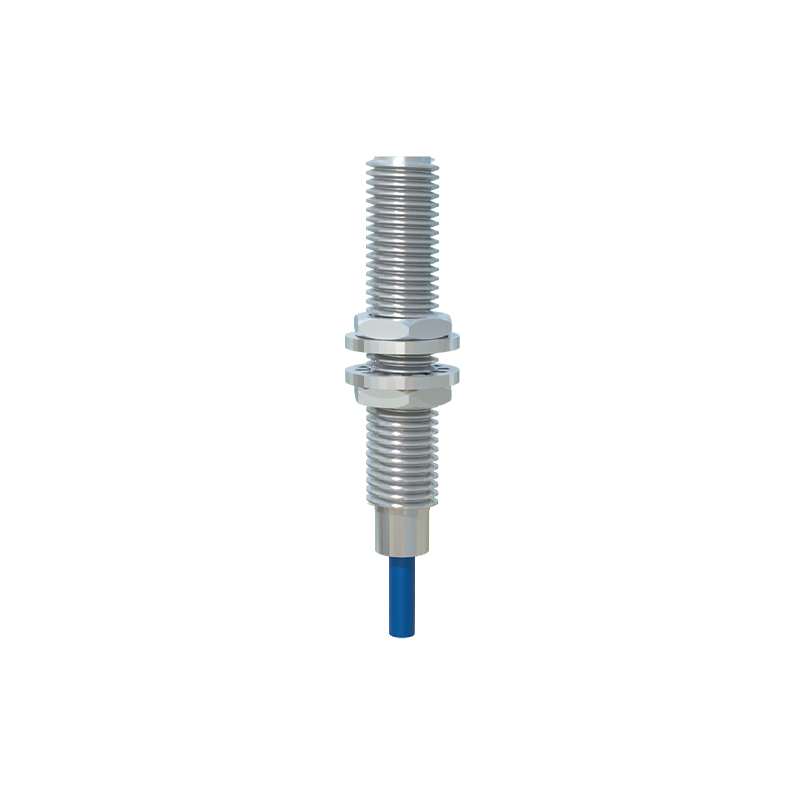
Deploying an original equipment manufacturer (OEM) proximity sensor phone offers distinct advantages. First is reliability: using an original sensor from a trusted supplier guarantees performance specifications and longevity, reducing false triggers. Second is the reduction in system complexity. It eliminates the need for separate sensor, wiring, and communication modules, consolidating functionality into a single, ruggedized device. This integration lowers installation time, cost, and potential failure points. Third is the speed of response. The direct link from sensing to communication bypasses intermediate processing layers, enabling faster alert generation. This is critical in time-sensitive processes where seconds of delay can lead to significant production loss or safety hazards.
Implementation and Integration Considerations
Successful implementation requires careful planning. Engineers must first define the critical event to be monitored and select a sensor type (inductive, capacitive, ultrasonic) with an appropriate sensing range and material compatibility. The choice of communication network (cellular, landline, VoIP, or industrial Ethernet) must align with the facility's infrastructure and IT policies. Configuration involves programming phone numbers, message templates, and delay timers to prevent alarm flooding. Integration with higher-level systems often involves configuring the device's I/O points within the PLC logic or creating a data tag in the SCADA software. Testing under real-world conditions is essential to fine-tune sensitivity and ensure communication clarity in noisy industrial environments.
Future Trends and Industry Impact
The future of original proximity sensor phones is intertwined with Industry 4.0 and the Industrial Internet of Things (IIoT). Next-generation models are evolving into smarter edge devices. They are beginning to incorporate features like local data logging, basic analytics to distinguish between routine and fault events, and secure connectivity for cloud reporting. The integration of wireless technologies, such as 5G or LPWAN, will enable more flexible deployment in large-scale or mobile applications. As artificial intelligence matures, these devices may perform initial diagnostic assessments, suggesting probable causes for a fault before a technician is dispatched. This evolution will further cement their role as indispensable tools for achieving higher operational efficiency, predictive maintenance, and enhanced safety protocols in the smart factories of tomorrow.