Introduction to Proximity Sensing Technology
Proximity sensors are indispensable components in modern industrial automation, enabling non-contact detection of objects. These devices enhance efficiency, safety, and precision in manufacturing, packaging, and robotics. Selecting a reliable brand is crucial for ensuring long-term performance and system integration. This article explores the top ten brands that have set industry standards through innovation, quality, and global support.
Key Selection Criteria for Brands
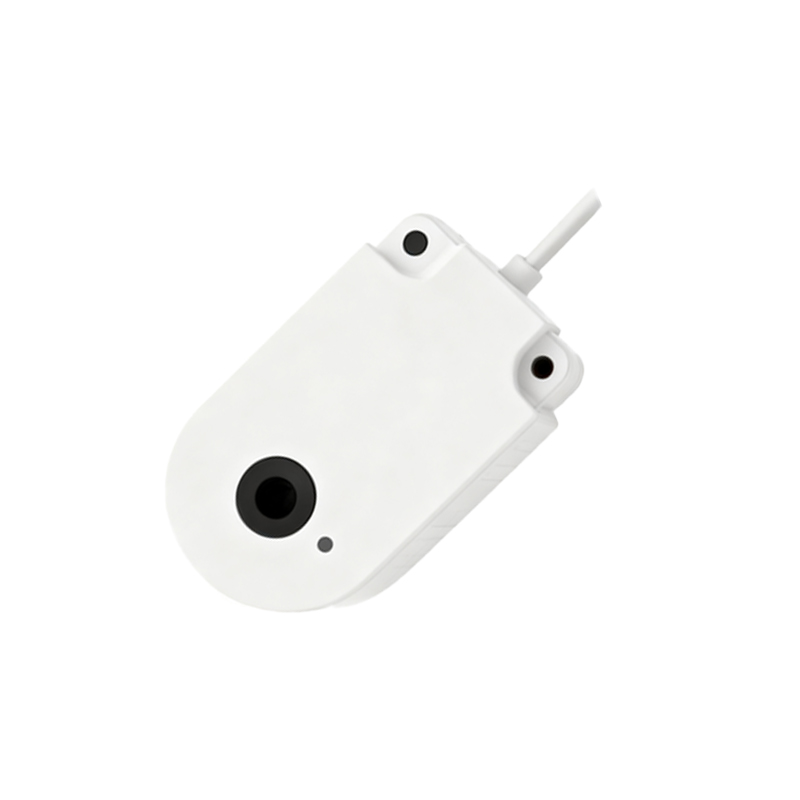
When evaluating proximity sensor manufacturers, several factors come into play. Product durability in harsh environments, such as extreme temperatures or exposure to chemicals, is paramount. The range of offerings, including inductive, capacitive, ultrasonic, and magnetic sensors, indicates a brand's versatility. Additionally, technical support, certification standards (like IEC and UL), and ease of integration with PLC systems are critical considerations for engineers.
Siemens: A Leader in Industrial Automation
Siemens stands out for its comprehensive portfolio of proximity sensors, known for high precision and robustness. Their sensors are designed for seamless integration into Siemens' automation ecosystems, like SIMATIC, offering reliable performance in demanding applications. With global availability and strong technical documentation, Siemens remains a top choice for large-scale industrial projects.
Omron: Innovation and Reliability
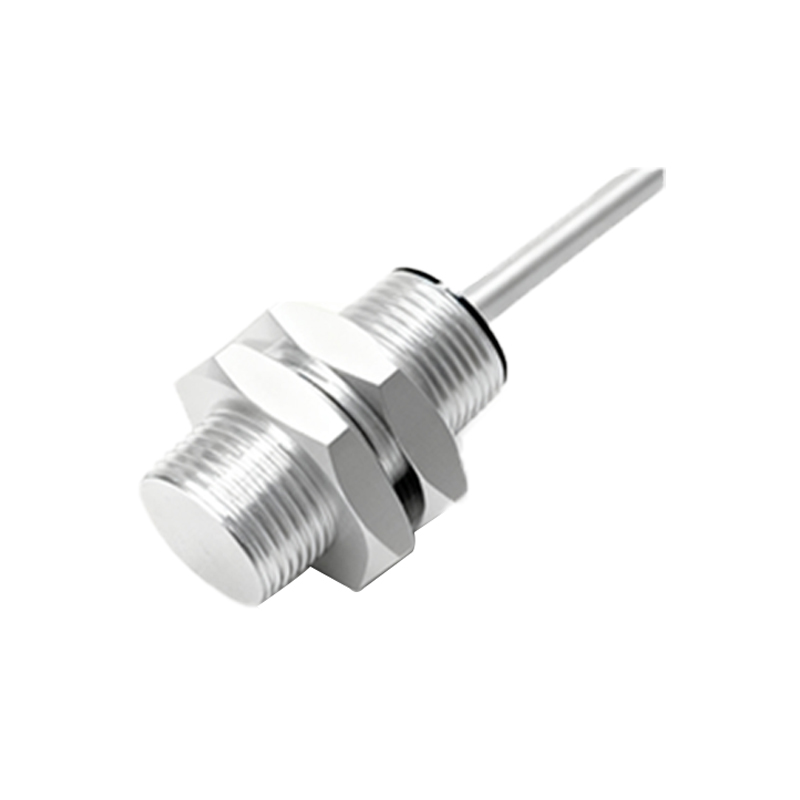
Omron is renowned for its innovative sensor technology, including compact and high-speed models. The brand emphasizes durability, with products featuring enhanced resistance to noise and environmental stressors. Omron's sensors are widely used in automotive and electronics manufacturing, backed by extensive research and development efforts.
Rockwell Automation (Allen-Bradley)
Rockwell Automation, under its Allen-Bradley brand, offers rugged proximity sensors built for North American and global markets. These sensors excel in heavy-duty applications, such as material handling and metalworking, with features like extended sensing ranges and robust housing. Their compatibility with Rockwell's control systems simplifies implementation.
Pepperl+Fuchs: Specialization in Sensor Solutions
Pepperl+Fuchs focuses exclusively on sensor and intrinsic safety technology, making it a go-to for hazardous environments. Their proximity sensors include intrinsically safe and explosion-proof variants, certified for use in oil, gas, and chemical industries. The brand is praised for its high-quality materials and precise detection capabilities.
Balluff: Precision and Customization
Balluff provides a wide array of proximity sensors with a strong emphasis on customization. From standard inductive sensors to specialized models with IO-Link communication, Balluff caters to niche applications. Their products are known for long service life and accuracy, supported by a global distribution network.
IFM Electronic: User-Friendly Design
IFM Electronic distinguishes itself with intuitive, easy-to-install sensors that reduce setup time. Many models feature diagnostic LEDs and simple configuration options. IFM's sensors are versatile, suitable for food and beverage, packaging, and automotive sectors, offering reliable performance at competitive prices.
Turck: Durability in Harsh Conditions
Turck's proximity sensors are engineered for extreme industrial environments, with high resistance to shock, vibration, and moisture. The brand offers innovative designs, such as block-style and cylindrical sensors, with extended temperature ranges. Turck is also a leader in connectivity solutions, enabling efficient sensor networking.
Keyence: High-Performance Sensing
Keyence is synonymous with advanced, high-precision sensors, often incorporating cutting-edge technologies like laser and fiber optics. Their proximity sensors deliver exceptional accuracy for delicate tasks in electronics and semiconductor manufacturing. While premium-priced, Keyence products are valued for their reliability and technical support.
Schneider Electric: Global Integration Solutions
Schneider Electric provides a broad range of proximity sensors that integrate smoothly into its EcoStruxure automation architecture. These sensors are cost-effective and versatile, suitable for various industries from utilities to machinery. Schneider emphasizes energy efficiency and sustainability in its product designs.
Sick: Safety and Innovation Focus
Sick is a leader in safety sensors, including proximity devices used for collision avoidance and positioning. Their products feature robust construction and advanced diagnostics, meeting stringent international safety standards. Sick's sensors are prevalent in logistics, automotive, and renewable energy applications.
Conclusion and Recommendations
Choosing the right proximity sensor brand depends on specific application needs, environmental conditions, and budget. Brands like Siemens and Omron offer broad reliability, while Pepperl+Fuchs and Sick excel in specialized sectors. Engineers should prioritize testing samples and consulting technical datasheets to ensure optimal performance. Investing in reputable brands ultimately reduces downtime and maintenance costs