Introduction to Photoelectric Sensors in HVAC Systems
Photoelectric sensors, often referred to as photoeyes or optical sensors, have become integral components in modern home air conditioning systems. These devices operate by emitting a light beam—typically infrared, visible, or laser light—and detecting changes in the received light intensity. In residential HVAC units, they are primarily utilized for non-contact detection, enabling precise monitoring and control without physical interaction. The adoption of photoelectric sensors marks a significant advancement from traditional mechanical switches, offering higher reliability, faster response times, and minimal maintenance requirements. By integrating these sensors, manufacturers can design air conditioners that are more energy-efficient, responsive to environmental changes, and capable of providing tailored comfort to homeowners.
Key Functions and Applications in Air Conditioners
In home air conditioners, photoelectric sensors serve multiple critical functions. One primary application is in air quality monitoring, where sensors detect particulate matter such as dust, pollen, or smoke by analyzing light scattering or absorption. This data allows the system to automatically activate air purification modes or adjust ventilation rates. Another common use is in occupancy detection; sensors can identify human presence in a room, enabling the AC to switch to energy-saving modes when the space is unoccupied. Additionally, photoelectric sensors are employed in filter monitoring systems. By measuring light transmission through the filter, they can alert users when cleaning or replacement is needed, ensuring optimal airflow and efficiency. Some advanced models also use these sensors for frost detection on evaporator coils, preventing ice buildup that can impair performance.
Types of Photoelectric Sensors Used
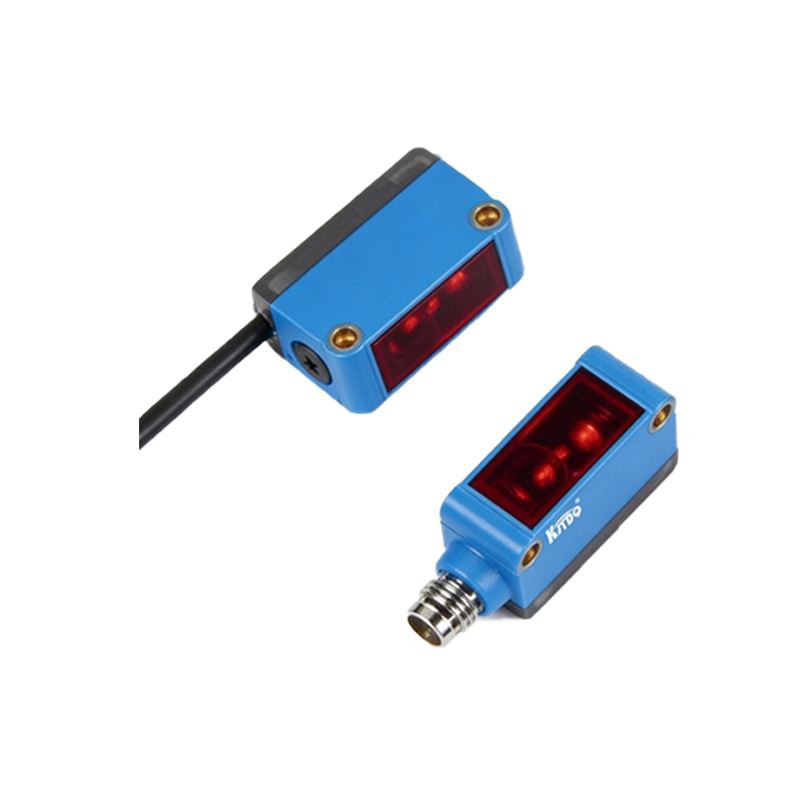
Several types of photoelectric sensors are tailored for specific roles in air conditioning units. Through-beam sensors, consisting of separate emitter and receiver units, are often used for long-range detection, such as in large duct systems to monitor airflow obstruction. Reflective sensors, which combine the emitter and receiver in one housing, are common in compact spaces like filter housings for dirt accumulation detection. Diffuse sensors, relying on light reflection from the target object, are ideal for proximity sensing, such as detecting nearby walls or furniture to optimize air vent direction. Infrared sensors are prevalent due to their immunity to ambient light interference, making them suitable for occupancy sensing in variably lit rooms. Each type is selected based on factors like range, accuracy, and environmental conditions to ensure reliable operation in diverse home settings.
Benefits for Energy Efficiency and Performance
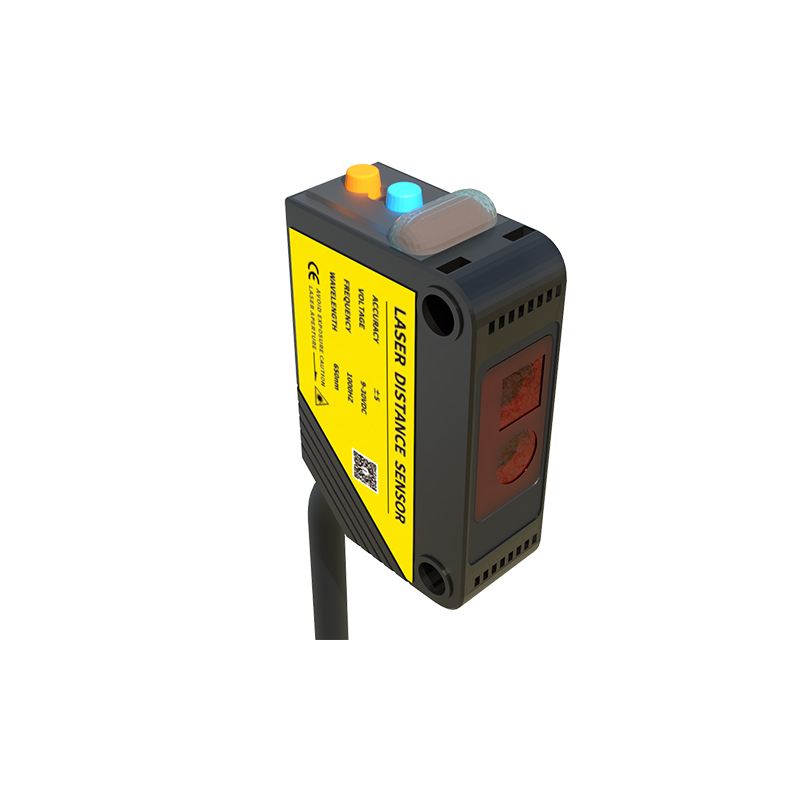
The integration of photoelectric sensors directly contributes to enhanced energy efficiency in home air conditioners. By enabling real-time monitoring of occupancy and air quality, these sensors allow systems to adjust cooling output dynamically, reducing unnecessary energy consumption. For instance, an AC unit can lower its fan speed or enter standby mode when sensors indicate no human presence, potentially cutting power usage by up to 20-30%. Moreover, filter monitoring helps maintain peak system performance by preventing clogs that force compressors to work harder, thereby extending equipment lifespan and lowering electricity bills. Sensors also improve comfort by ensuring consistent temperature and air purity, responding instantly to changes like sudden increases in room occupancy or outdoor pollutants. This smart adaptability not only saves energy but also enhances user satisfaction through quieter and more reliable operation.
Installation and Maintenance Considerations
Proper installation and maintenance are crucial for maximizing the effectiveness of photoelectric sensors in air conditioners. During installation, technicians must ensure sensors are positioned correctly—away from direct sunlight, heat sources, or obstructions that could cause false readings. Regular cleaning of sensor lenses is recommended to prevent dust buildup that might impair light transmission. Most modern sensors are designed for durability and require minimal upkeep, but periodic checks should include verifying alignment and testing response times. Homeowners can typically rely on built-in diagnostic features in newer AC models, which alert them to sensor issues via indicator lights or smart app notifications. By following manufacturer guidelines, users can avoid common problems like erratic cycling or reduced sensitivity, ensuring long-term sensor reliability and system efficiency.
Future Trends and Innovations
The future of photoelectric sensors in home air conditioners is poised for exciting advancements driven by IoT and AI integration. Emerging trends include the development of multi-spectral sensors capable of detecting a wider range of pollutants, such as VOCs or allergens, for comprehensive air quality management. Wireless sensor networks are becoming more prevalent, allowing seamless communication between AC units and other smart home devices for holistic climate control. AI algorithms can analyze sensor data to predict maintenance needs or optimize energy usage patterns based on user habits. Additionally, miniaturization efforts are enabling sensors to be embedded in more compact AC designs without sacrificing functionality. As sustainability goals intensify, expect sensors to play a larger role in grid-responsive systems that adjust cooling based on real-time energy availability, further reducing carbon footprints.
Conclusion: The Role in Modern Comfort Systems
Photoelectric sensors have revolutionized home air conditioning by introducing a layer of intelligence that prioritizes efficiency, comfort, and sustainability. From monitoring air quality to detecting human presence, these devices enable AC systems to operate smarter and more responsively. As technology evolves, their applications will expand, making air conditioners not just cooling tools but integral components of healthy, energy-conscious living environments. Homeowners and industry professionals alike should stay informed about these innovations to leverage the full benefits of sensor-enhanced HVAC systems, ensuring optimal performance in an increasingly connected world.