Understanding the Core Principle
Inductive proximity sensors are fundamental components in industrial automation, renowned for their reliability in non-contact object detection. Their operation hinges on a simple yet elegant electromagnetic principle. At the heart of the sensor lies an oscillator circuit that generates a high-frequency alternating magnetic field via a coiled ferrite core at the sensing face. When a metallic object enters this active field, eddy currents are induced on the object's surface. These currents draw energy from the oscillator, causing a reduction in its oscillation amplitude. An integrated evaluation circuit monitors this amplitude change. Once the drop reaches a predetermined threshold, the sensor's solid-state output switches state, signaling the presence of the target. This mechanism allows for the detection of ferrous metals like steel and iron with the greatest sensing distance, while non-ferrous metals such as aluminum, copper, or brass result in a reduced effective range due to their different electrical conductivity and magnetic permeability.
Key Technical Characteristics and Specifications
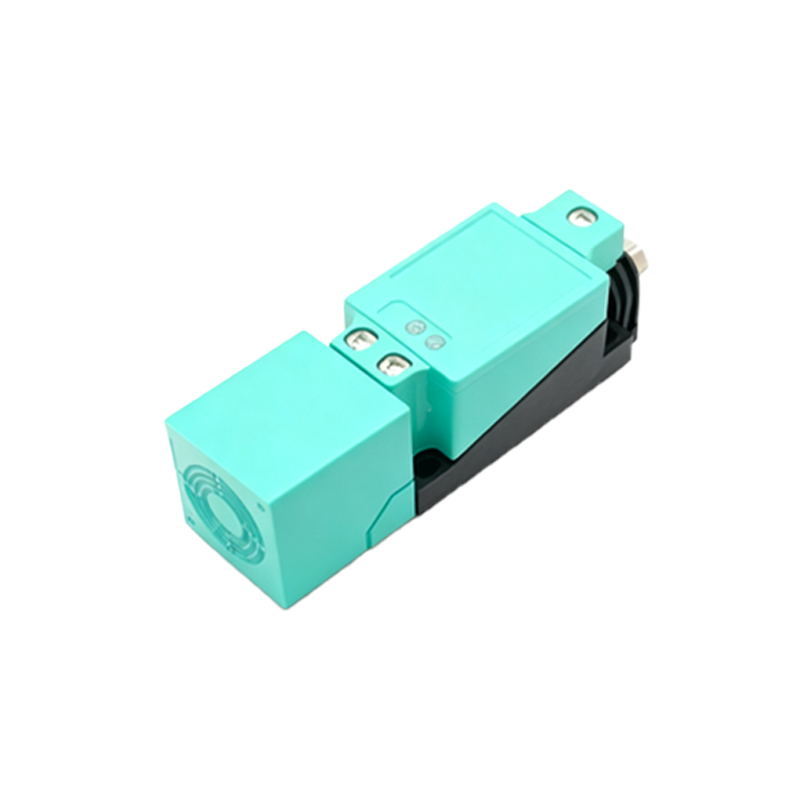
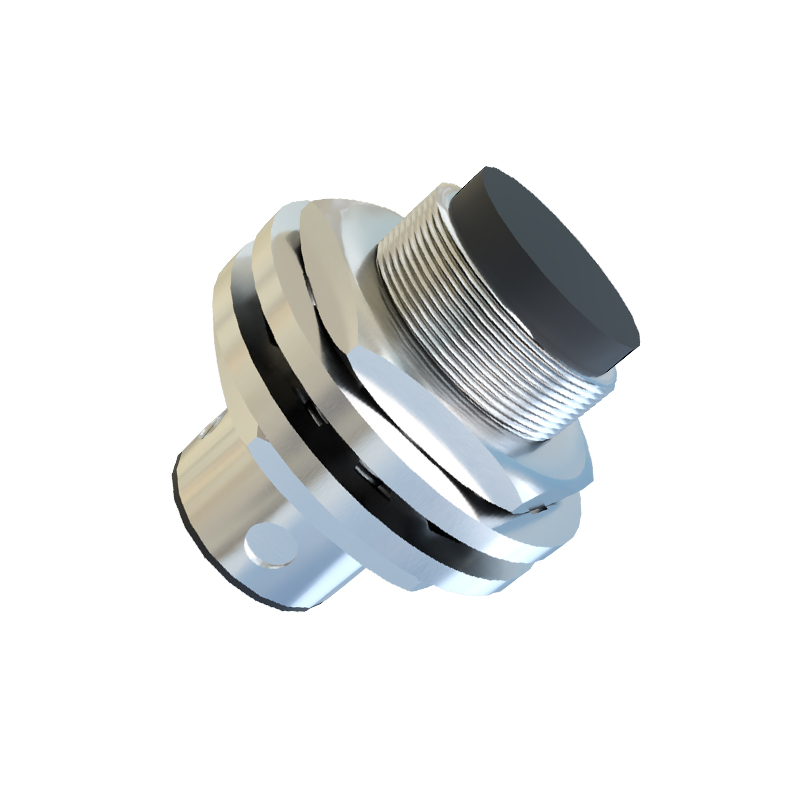
Several critical parameters define an inductive sensor's performance and suitability for an application. The nominal sensing distance (Sn) is a theoretical value under standardized conditions and does not account for manufacturing tolerances or material factors. The effective operating distance (Sr) is typically 70% to 90% of Sn, ensuring reliable operation despite voltage fluctuations or temperature changes. Hysteresis, the difference between the switch-on and switch-off points, is essential for preventing output chatter when a target is at the sensing limit. Another vital specification is the switching frequency, measured in Hertz, which indicates how many detection cycles per second the sensor can handle—a crucial factor for high-speed production lines. Furthermore, sensors are classified by their housing style (e.g., cylindrical barrel, rectangular block), connection type (pre-wired cable or quick-disconnect), and output configuration (typically NPN or PNP, normally open or normally closed). Understanding IP (Ingress Protection) ratings, such as IP67 or IP69K, is also mandatory for ensuring durability in environments with dust, moisture, or high-pressure washdowns.
Common Industrial Applications and Use Cases
The robustness and contactless nature of inductive sensors make them ubiquitous across manufacturing sectors. A primary application is position verification, such as confirming the presence of a metal part on a conveyor, checking if a robot gripper is open or closed, or detecting the end-of-travel of a pneumatic cylinder via a built-in metal piston flag. They are extensively used for counting metallic objects, controlling rotational speed by detecting gear teeth or bolt heads, and ensuring proper part orientation. In metal machining centers, they serve as limit switches for tool changers or workpiece clamps. Their ability to function without physical contact eliminates mechanical wear, making them ideal for harsh environments where oil, coolant, or metal chips are present. From bottling plants detecting metal caps to automotive assembly lines verifying engine blocks, inductive sensors provide the essential "eyes" for machine control systems.
Advantages Over Other Sensing Technologies
When compared to other non-contact sensing methods like capacitive, ultrasonic, or photoelectric sensors, inductive variants offer distinct benefits. Their exclusive response to metallic targets makes them immune to false triggers from non-metallic materials like plastics, liquids, dust, or ambient light, ensuring high operational stability. They feature exceptionally high switching frequencies and repeat accuracy, often in the micrometer range, which is superior for precise positioning tasks. The sensing face can be flush-mounted in metal without a loss of function, allowing for a compact and protected installation. With no moving parts and a fully encapsulated design, they boast exceptional longevity and resistance to vibration, shock, and contamination. While their limitation to metals is a constraint, it is precisely this selectivity that becomes their greatest strength in metalworking and machinery applications, offering a simple, cost-effective, and supremely reliable solution.
Critical Selection and Installation Guidelines
Selecting the correct inductive sensor requires careful consideration of the application parameters. First, identify the target material and required sensing distance, applying reduction factors for non-ferrous metals. The sensor housing must physically fit the available space and withstand the environmental conditions, including temperature extremes and potential chemical exposure. The electrical characteristics are paramount: choose between DC (2-wire or 3-wire) or AC models, and select the appropriate PNP (sourcing) or NPN (sinking) output to match the PLC or controller input card. During installation, ensure the target approaches the sensing face perpendicularly for maximum range. Maintain the specified mounting clearances from surrounding metal to prevent magnetic field distortion. For cylindrical sensors in metal brackets, use non-ferrous bushings. Always adhere to the manufacturer's wiring diagrams, implementing proper shielding and fusing to protect against electrical noise and short circuits. Regular maintenance, though minimal, should include periodic