What is a Photoelectric Sensor?
A photoelectric sensor is a versatile device used to detect the presence, absence, or distance of an object using a light transmitter and a receiver. The core principle involves emitting a beam of light, typically from an LED or laser diode, and then detecting changes in the received light signal. When the emitted light beam is interrupted or reflected by a target object, it alters the light pattern reaching the receiver. This change is converted into an electrical signal by the receiver's phototransistor or photodiode, which is then processed by the sensor's internal circuitry to produce a discrete output. This output, often a simple ON/OFF switch signal, is used to trigger actions in a control system, such as counting items on a conveyor, detecting a jam, or signaling a robotic arm. Their non-contact nature, high speed, and reliability make them fundamental components in factory automation, packaging, material handling, and countless other industrial sectors.
Core Operating Principles
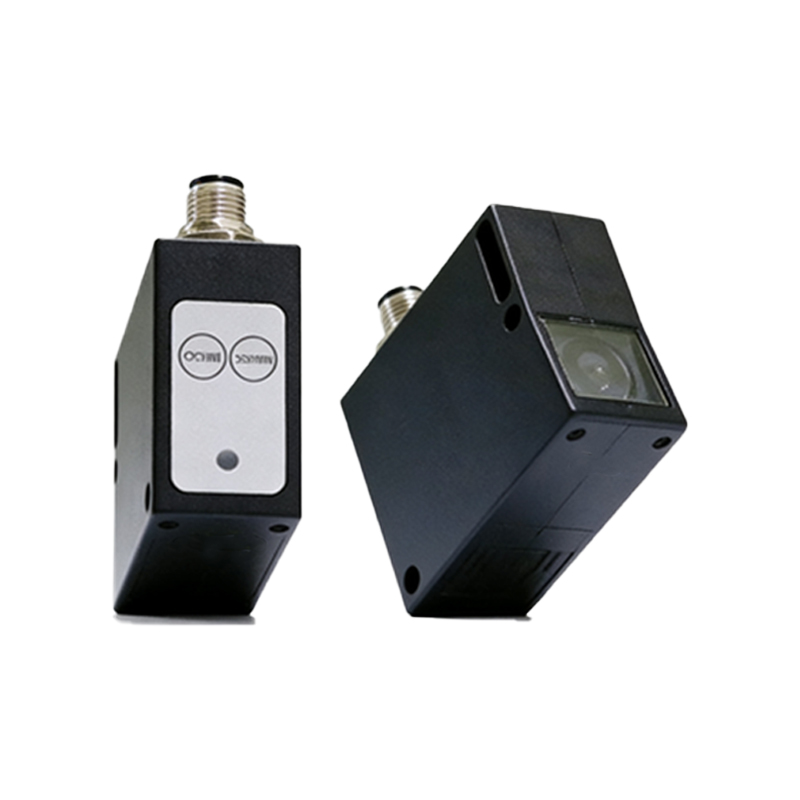
The functionality of photoelectric sensors hinges on three primary operational modes: through-beam, retro-reflective, and diffuse reflective. In the through-beam (or opposed) mode, the transmitter and receiver are housed in separate units facing each other. Detection occurs when the object physically breaks the light beam between them. This mode offers the longest sensing range and highest reliability, as it is largely immune to the object's color, texture, or reflectivity. The retro-reflective mode uses a single housing containing both emitter and receiver, along with a separate reflector. The sensor detects an object when it blocks the light beam traveling to and from the reflector. A polarization filter is often used to distinguish the reflector's light from shiny objects that might otherwise reflect light directly back. Finally, the diffuse reflective (or proximity) mode also uses a single unit, but it detects light reflected directly off the target object itself. The sensing distance is shorter and depends heavily on the object's size, color, and surface properties, making it ideal for applications where mounting a separate receiver or reflector is impractical.
Key Types and Technological Variations
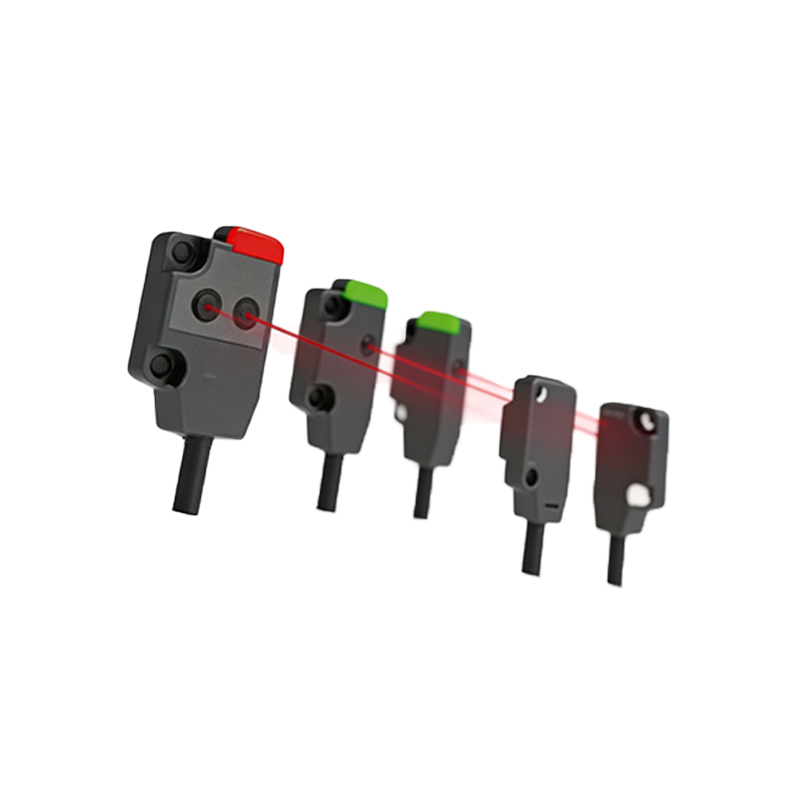
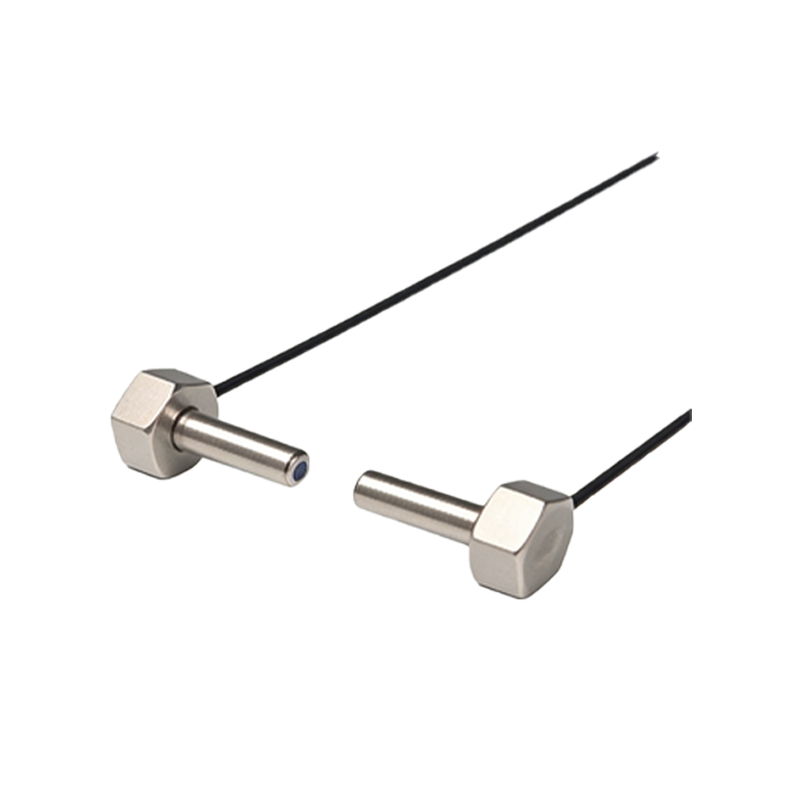
Beyond the basic modes, photoelectric sensors come in specialized types to tackle specific challenges. Background suppression sensors are a sophisticated form of diffuse sensors that use triangulation to detect objects only within a precise, defined range, ignoring objects or surfaces beyond that point, regardless of their color or reflectivity. This is crucial for detecting objects on a conveyor belt of a varying color. Contrast sensors are designed to detect differences in contrast or color marks, such as labels on packaging. They evaluate the amount of light reflected from a surface and trigger when a predefined contrast threshold is crossed. Luminescence sensors detect the presence of materials that glow under ultraviolet (UV) light, useful for security marking or special material handling. Fiber optic sensors represent another critical variation, where the light transmission and reception occur through flexible fiber optic cables, allowing the sensitive electronics to be mounted remotely in harsh environments characterized by extreme temperatures, vibration, or limited space.
Critical Performance Specifications
Selecting the right photoelectric sensor requires careful analysis of its specifications. Sensing range, the maximum distance at which it can reliably detect a standard target, is paramount. Response time, measured in milliseconds or microseconds, determines how fast the sensor can detect an object and change its output state, which is vital for high-speed production lines. Light sources are another key factor; red visible LED is common for ease of alignment, infrared LED offers longer range, laser diodes provide a precise, narrow beam for small object detection, and green LEDs can improve detection of certain colors. The housing material, typically metal or industrial-grade plastic, must provide adequate ingress protection (IP rating) against dust and water. Finally, output types vary, including discrete NPN/PNP transistors for PLC input, analog outputs (4-20mA, 0-10V) for distance measurement, and IO-Link for advanced digital communication and parameter setting.
Industrial Application Examples
The applications for photoelectric sensors span virtually every industry. In automotive manufacturing, through-beam sensors are used for precise robot guidance and part presence verification in assembly cells. In the packaging industry, diffuse sensors count bottles on a filler line, while contrast sensors verify label placement on boxes. Material handling systems rely heavily on retro-reflective sensors to detect the position of pallets on conveyors and to prevent collisions in automated storage and retrieval systems (AS/RS). In the food and beverage sector, background suppression sensors reliably detect transparent plastic bottles or glass jars, ignoring the stainless-steel conveyor belt beneath. They are also integral to safety systems, forming light curtains that protect workers from hazardous machinery by detecting any intrusion into a defined zone. Their robustness and adaptability ensure they remain a cornerstone of industrial automation and smart manufacturing initiatives.
Advantages and Selection Considerations
The primary advantages of photoelectric sensors include non-contact operation, which eliminates mechanical wear and allows detection of fragile objects; long sensing distances compared to inductive or capacitive sensors; fast response speeds suitable for high-velocity processes; and the ability to detect a wide variety of materials, including glass, plastic, wood, and liquids. When selecting a sensor, engineers must consider the object properties (size, color, material), the required sensing distance, the environmental conditions (ambient light, dust, moisture, temperature), the required mounting configuration, and the necessary output signal. Proper alignment, regular lens cleaning to prevent contamination, and protection from electrical noise are essential for maintaining long-term, reliable operation in demanding industrial settings.