The Evolving Role of the Proximity Sensor Agent
The traditional model of a proximity sensor agent, primarily focused on logistics and basic technical support, is undergoing a profound transformation. In today's digitized industrial ecosystem, a modern agent is a critical nexus between advanced sensor manufacturers and end-users facing complex automation challenges. This role has expanded far beyond mere component supply. Contemporary agents are now expected to possess deep application engineering expertise, offering consultative solutions that integrate inductive, capacitive, ultrasonic, and photoelectric sensors into sophisticated IIoT (Industrial Internet of Things) frameworks. They act as localized knowledge hubs, translating cutting-edge technological capabilities into reliable, cost-effective, and efficient solutions for diverse sectors such as automotive manufacturing, packaging, and material handling.
Core Competencies of a High-Performance Agent
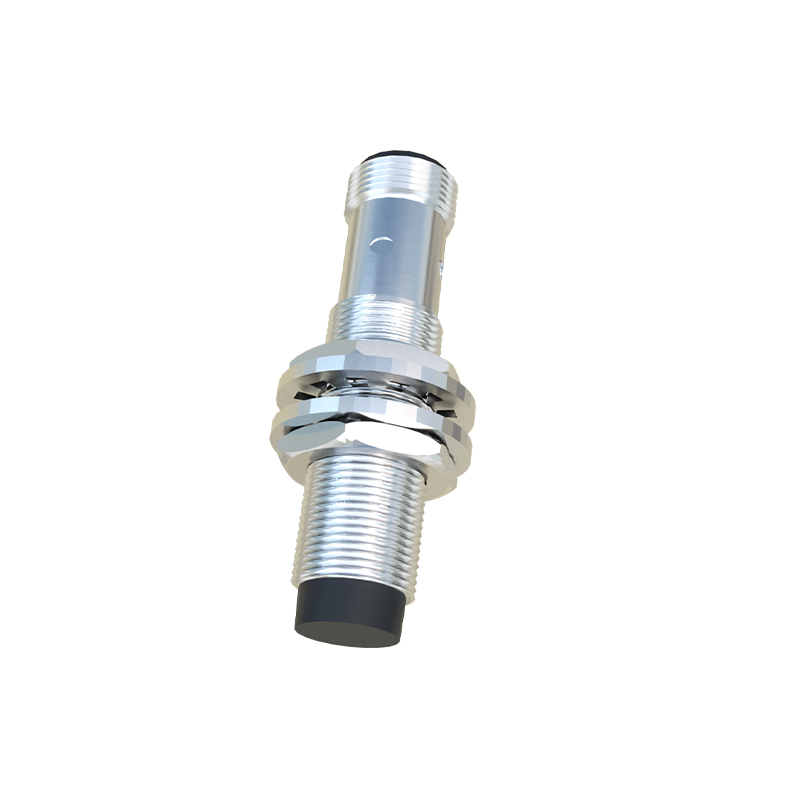
A leading-edge proximity sensor agent distinguishes itself through a multifaceted skill set. First and foremost is technical mastery. Agents must have an exhaustive understanding of sensor specifications—sensing ranges, housing materials (e.g., stainless steel, PBT), output types (PNP/NPN, analog, IO-Link), and environmental ratings (IP67, IP69K). This knowledge is crucial for selecting the right sensor to withstand harsh conditions like extreme temperatures, washdowns, or electromagnetic interference. Secondly, supply chain reliability is non-negotiable. Agents must ensure consistent inventory and rapid delivery to minimize machine downtime, a critical factor in just-in-time manufacturing environments. Finally, value-added services such as custom cable assembly, connectorization, and prototyping support have become standard expectations, enabling faster integration for OEMs and system integrators.
Digital Tools and Value-Added Services
The digital transformation has equipped modern agents with powerful tools to enhance customer engagement and operational efficiency. Interactive online configurators allow engineers to model and select sensors with precise parameters. Advanced websites feature comprehensive product data, 3D CAD models for direct download, and application-specific whitepapers. Furthermore, sophisticated agents leverage e-commerce platforms for streamlined procurement, offering real-time stock levels and automated order tracking. Beyond digital storefronts, premier agents provide on-site system audits, troubleshooting workshops, and training seminars on emerging standards like IO-Link, which enables smart sensor communication and predictive maintenance capabilities. These services transform the agent from a vendor into a long-term strategic partner.
Navigating the IIoT and Industry 4.0 Integration
As factories become smarter, the demand for sensors with embedded intelligence skyrockets. A forward-thinking proximity sensor agent is pivotal in guiding customers through the complexities of Industry 4.0. This involves promoting sensors with digital interfaces like IO-Link, which provide not just a switching signal but rich diagnostic data (e.g., temperature, operating hours, signal strength) to a PLC or cloud system. Agents must understand network architectures and help design systems where proximity sensors contribute to data analytics for predictive maintenance, quality control, and overall equipment effectiveness (OEE) monitoring. Their expertise ensures that the simple act of detecting an object's presence becomes a valuable data point in a connected, data-driven production environment.
Building a Sustainable Partnership Model
The most successful relationships between manufacturers, agents, and end-users are built on transparency, shared goals, and continuous innovation. A modern agent does not operate in isolation; they function as an extension of the manufacturer's engineering and support team. This requires rigorous certification processes, regular technical updates, and aligned marketing strategies. For the end-user, a reliable agent provides a single point of contact for technical queries, lifecycle management, and obsolescence planning. By fostering trust and demonstrating a commitment to solving real-world automation problems, the agent secures its position as an indispensable resource in the industrial supply chain, driving efficiency and innovation for all parties involved.