Introduction to 3U Proximity Sensors
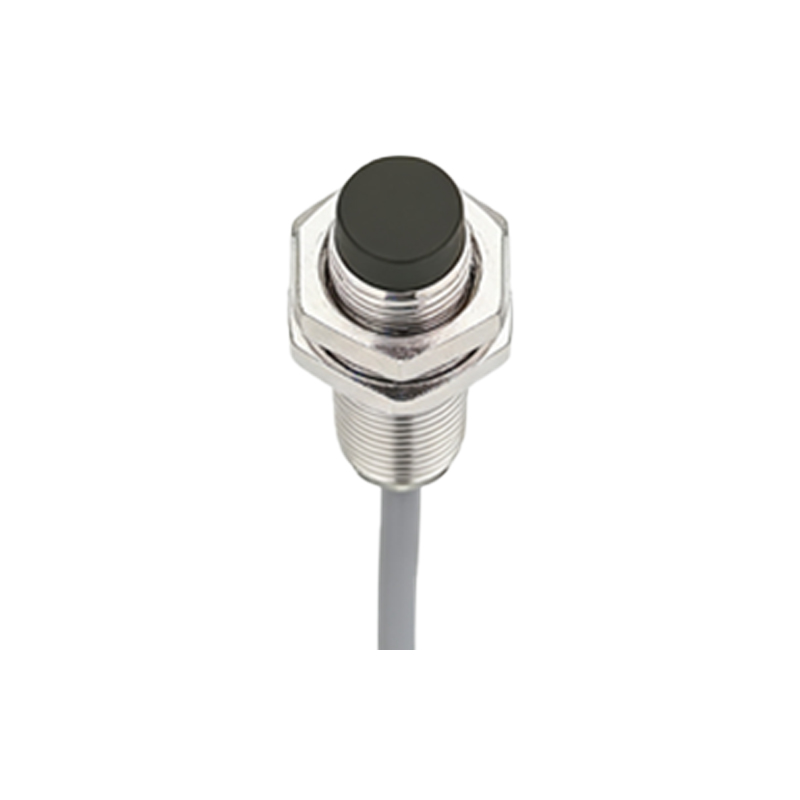
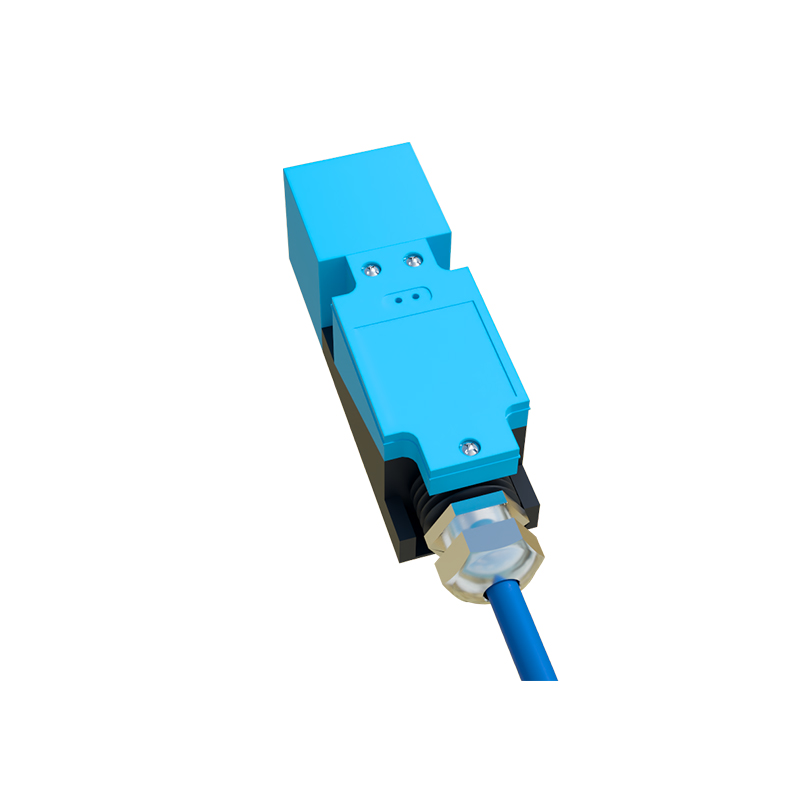
In the realm of industrial automation, proximity sensors play a pivotal role in enabling non-contact detection of objects. Among the various form factors available, the 3U size has emerged as a highly versatile and widely adopted standard. A 3U proximity sensor refers to a compact, rectangular-shaped sensor with standardized dimensions, typically measuring 30mm in height, 12mm in width, and 6mm in depth. This specific form factor offers an optimal balance between a small footprint for tight installations and sufficient space to house robust sensing electronics. These sensors are engineered to detect the presence or absence of metallic or non-metallic targets without any physical contact, thereby eliminating mechanical wear and tear. The "3U" designation is a key identifier in part numbers and catalogs, helping engineers and maintenance personnel quickly specify the correct sensor for mounting in control panels, machinery, and automated systems where space is at a premium.
Core Operating Principles and Technologies
3U proximity sensors primarily operate on two fundamental principles: inductive and capacitive sensing. Inductive 3U sensors are the most common type, designed exclusively for detecting metallic objects. They generate an electromagnetic field from a coil in the sensor's face. When a ferrous or non-ferrous metal target enters this field, it induces eddy currents, causing a change in the oscillation amplitude. This change is detected by the sensor's circuitry, which then triggers a solid-state output switch. Capacitive 3U sensors, on the other hand, can detect a wider range of materials, including metals, plastics, liquids, and powders. They function by generating an electrostatic field. The presence of any material with a dielectric constant different from air alters the capacitance of the circuit, leading to a state change. Both types are available in shielded (flush-mountable) or unshielded (non-flush) versions, affecting their sensing range and installation requirements.
Key Electrical Specifications and Output Types
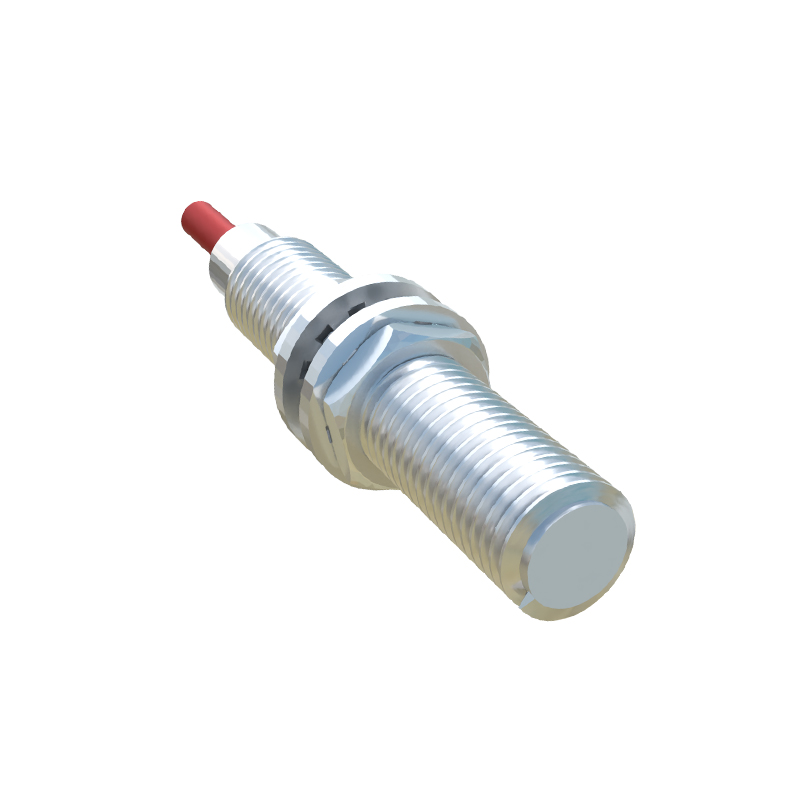
The performance of a 3U proximity sensor is defined by several critical electrical parameters. The operating voltage range is a primary consideration, with common DC versions spanning from 10-30V DC and AC variants operating at 90-250V AC. The output configuration is equally crucial. These sensors typically feature solid-state outputs, either as NPN (sinking) or PNP (sourcing) transistors for DC models, and as AC two-wire devices. The load current rating, often between 100mA to 300mA, determines what kind of PLC input or relay coil it can drive directly. Another vital specification is the sensing distance, or "Sn." For a standard inductive 3U sensor, this typically ranges from 1mm to 5mm, with a guaranteed operational range of 0 to 81% of Sn to account for temperature fluctuations and supply voltage tolerances. Response frequency, indicating how many detection cycles per second the sensor can handle, is also a key metric for high-speed applications.
Advantages of the 3U Form Factor in Industrial Settings
The widespread adoption of the 3U form factor is driven by several distinct advantages. Its compact size is the foremost benefit, allowing for installation in extremely confined spaces within modern, densely packed machinery and robotic cells. Despite its small stature, it offers a robust sensing performance comparable to larger sensors. Standardization is another major advantage; the consistent dimensions and mounting hole patterns (often 20mm or 25mm center-to-center) simplify panel design, inventory management, and replacement procedures across different manufacturers. The rectangular shape provides a stable mounting base, reducing the risk of rotation compared to cylindrical sensors. Furthermore, many 3U sensors feature built-in LED status indicators, which are clearly visible from the front, facilitating quick diagnostics and troubleshooting during machine setup or maintenance cycles, thereby minimizing downtime.
Typical Applications Across Various Industries
3U proximity sensors find applications in virtually every sector of manufacturing and automation. In automotive assembly lines, they are used for precise position verification of parts on pallets, end-of-stroke detection on actuators, and checking for the presence of tools. In packaging machinery, they detect the presence of foil lids, count bottles on a conveyor, or confirm the open/closed status of a gate. Within the electronics industry, their small size is ideal for PCB handling equipment, verifying component placement, and monitoring spindle position on miniature drills. They are also integral to material handling systems for detecting crates, monitoring conveyor belt jams, and ensuring proper positioning in automated storage and retrieval systems (AS/RS). Their reliability in harsh environments, often boasting IP67 or higher ingress protection ratings, makes them suitable for washdown areas in food and beverage processing.