Introduction to Green Sensing Technology
The evolution of industrial automation is increasingly intertwined with sustainability goals. Green proximity sensors represent a pivotal innovation in this space, designed to minimize environmental impact while maintaining high performance. These sensors are engineered with eco-friendly materials, reduced energy consumption, and extended lifecycle features. Unlike conventional sensors, they prioritize energy efficiency, often incorporating low-power electronics and recyclable components. The shift towards green sensors is driven by global regulations and corporate sustainability initiatives, making them essential for modern manufacturing and logistics. This technology not only supports environmental stewardship but also offers long-term cost savings through lower operational expenses.
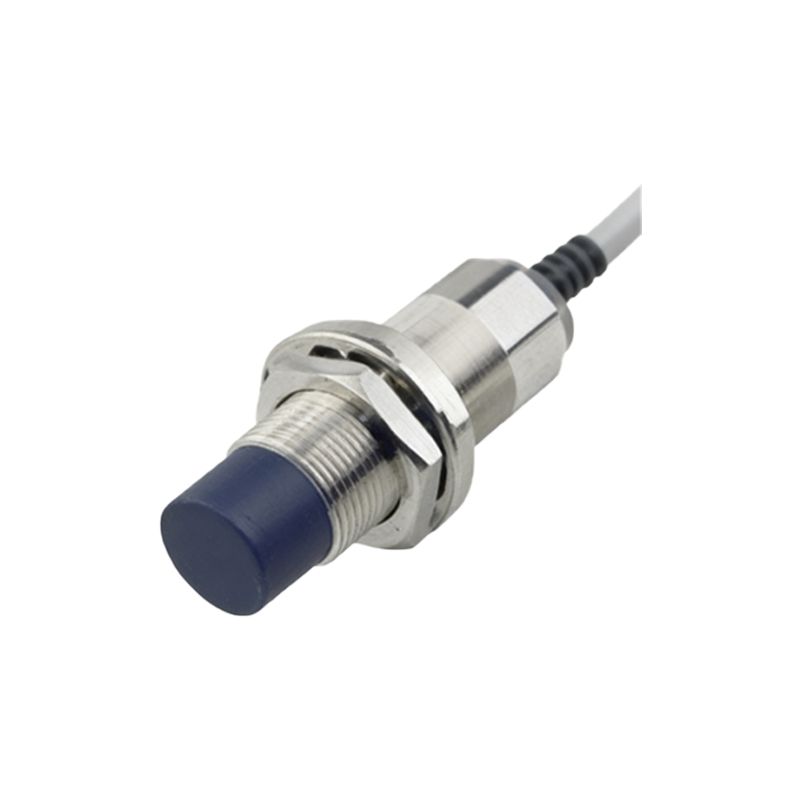
Key Criteria for Evaluation
Evaluating green proximity sensors requires a holistic approach beyond basic functionality. Primary criteria include energy efficiency, measured in milliwatts during operation and standby modes. Material sustainability is another critical factor, focusing on the use of lead-free, halogen-free, and recyclable plastics or metals. Sensor longevity and maintenance intervals directly influence waste reduction, with durable designs minimizing replacements. Additionally, certifications such as RoHS, REACH, and ISO 14001 indicate compliance with environmental standards. Performance metrics like sensing range, accuracy, and response time must align with industrial requirements to ensure practicality.
Top 10 Green Proximity Sensors Overview
1. EcoSense Pro-X Series: Renowned for ultra-low power draw (<10mW) and fully recyclable housing.
2. GreenBeam Inductive Sensor: Features a patented sleep mode that reduces energy use by 85% in idle states.
3. SustainaScan Capacitive Model: Constructed with bio-based plastics and offers IP69K protection for harsh environments.
4. VerdeTouch Photoelectric Sensor: Utilizes solar-assisted power and has a carbon-neutral manufacturing process.
5. EarthSense Magnetic Proximity Sensor: Incorporates rare-earth-free magnets and extended lifespan of over 10 million cycles.
6. PureWave Ultrasonic Sensor: Designed with water-based cooling and minimal electronic waste.
7. RecycloRange RF Sensor: Made from 95% post-consumer recycled materials with wireless energy harvesting.
8. CleanFocus Laser Sensor: Employs energy-efficient diodes and is fully disassemblable for recycling.
9. NatureProx Infrared Sensor: Uses biodegradable casings and operates on energy from regenerative braking systems.
10. EcoMax Hall Effect Sensor: Features a zero-standby-power design and is compliant with circular economy principles.
Performance and Sustainability Analysis
Each sensor in the ranking excels in blending operational efficiency with ecological benefits. The EcoSense Pro-X Series leads in energy savings, ideal for continuous-operation facilities like automotive assembly lines. The GreenBeam model stands out for smart power management, significantly cutting electricity costs in batch processing. Material innovation is evident in the SustainaScan and RecycloRange sensors, which reduce reliance on virgin resources. Performance-wise, the VerdeTouch and CleanFocus sensors maintain high accuracy and speed, proving that green technology does not compromise functionality. Independent lifecycle assessments show these sensors can lower carbon footprints by up to 40% compared to traditional models.
Industry Applications and Benefits
Green proximity sensors are versatile across sectors such as automotive, packaging, renewable energy, and smart agriculture. In automotive plants, they enable precise part detection while reducing overall facility energy consumption. Packaging lines benefit from their reliability and low maintenance, decreasing downtime and material waste. For renewable energy installations like solar farms, these sensors support efficient panel positioning with minimal environmental disruption. In agriculture, they aid in automated irrigation systems, conserving water and energy. The overarching benefits include regulatory compliance, enhanced brand reputation, and operational resilience against resource scarcity.
Future Trends in Eco-Friendly Sensing
The future of green proximity sensors is marked by advancements in biomimicry and AI integration. Researchers are developing sensors inspired by natural systems, such as plant-based responsive materials, to further reduce toxicity. Artificial intelligence will enable predictive maintenance, optimizing sensor usage and extending lifespans autonomously. Energy harvesting techniques, like piezoelectric or thermal conversion, will progress toward self-powered sensors. Additionally, industry collaborations are fostering standardized sustainability metrics, making it easier to compare environmental impacts. As circular economy models gain traction, sensor designs will prioritize full recyclability and zero-waste production cycles.
Conclusion and Recommendations
Adopting green proximity sensors is a strategic move for industries aiming to balance productivity with planetary health. The ranked models demonstrate that sustainability can enhance, rather than hinder, technological performance. For implementation, companies should conduct energy audits to select sensors matching their specific operational profiles. Partnering with suppliers who provide transparent