Defining Proximity Sensing Excellence
In the intricate landscape of industrial automation, proximity sensors serve as the fundamental eyes of machinery, detecting the presence or absence of objects without physical contact. Leading manufacturers in this field distinguish themselves not merely by producing sensors but by engineering reliability, precision, and innovation into every component. These companies understand that a sensor is a critical node in a larger system, where failure can mean costly downtime. Therefore, the hallmark of a top-tier manufacturer is a relentless focus on core performance characteristics that translate into tangible benefits on the factory floor. Their products are designed to deliver consistent, accurate data in the harshest environments, from automotive assembly lines to food processing plants, ensuring seamless integration and operational continuity.
Uncompromising Technical Specifications and Robustness
A primary feature of a premier proximity sensor manufacturer is an unwavering commitment to superior technical specifications. This encompasses a wide sensing range, high switching frequency, and exceptional repeat accuracy. For instance, inductive sensors from leading firms offer detection distances that reliably meet or exceed stated specifications, even when faced with varying target materials. Equally critical is environmental robustness. Industry leaders produce sensors with high Ingress Protection (IP) ratings, such as IP67 and IP69K, guaranteeing resistance to dust, water jets, and high-pressure washdowns. They utilize housing materials like stainless steel (V4A/AISI 316L) or PBT thermoplastics that withstand corrosive chemicals, extreme temperatures, and significant mechanical stress, including shock and vibration. This durability directly reduces maintenance needs and total cost of ownership.
Advanced Sensing Technologies and Specialized Variants
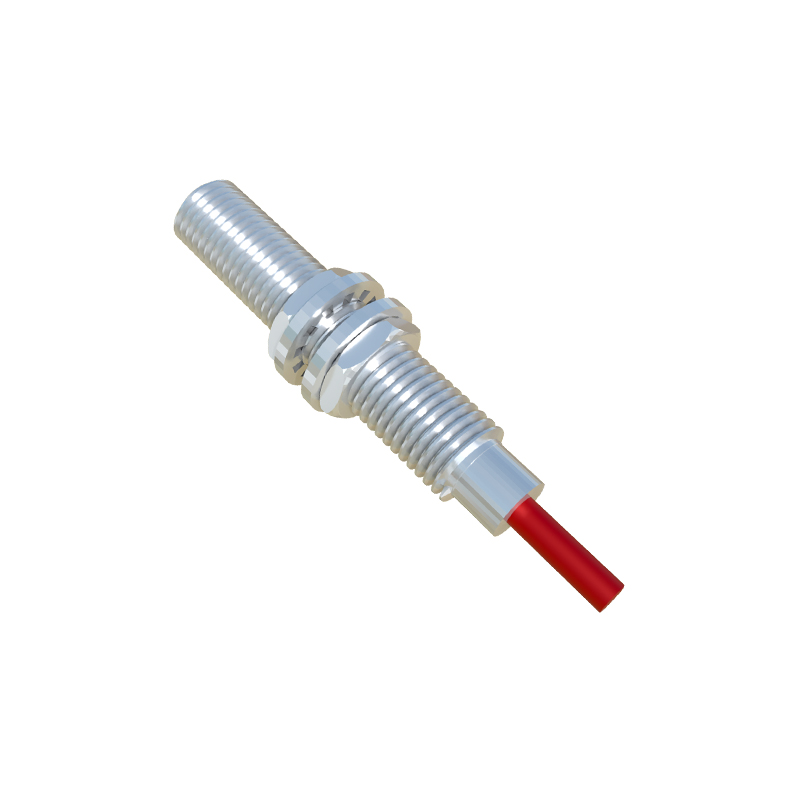
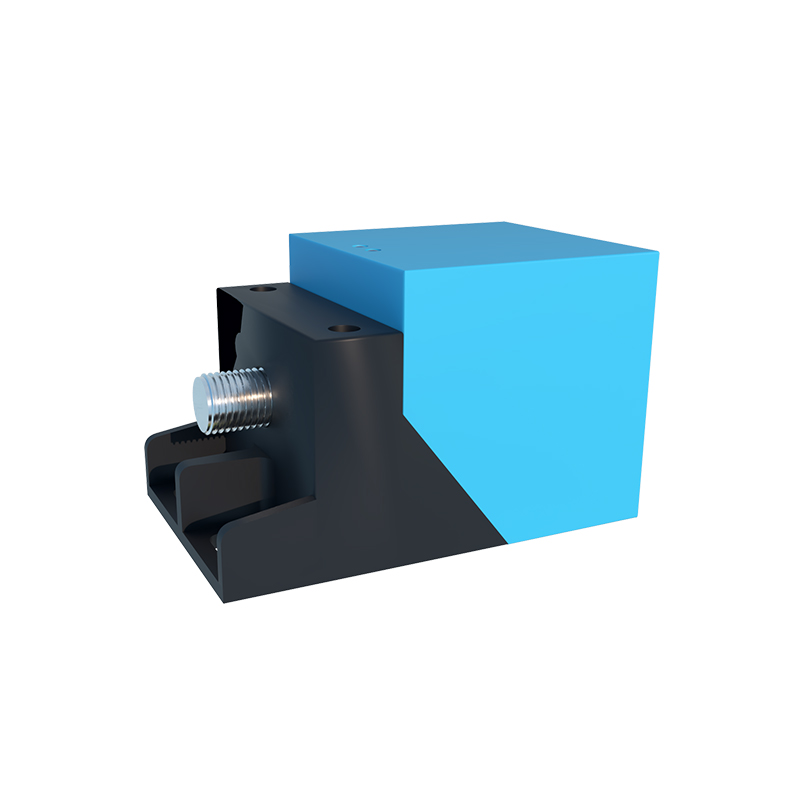
Beyond standard inductive, capacitive, and ultrasonic sensors, innovative manufacturers develop and offer specialized technologies to solve complex application challenges. This includes factor-1 inductive sensors that can detect all metals at the same range, eliminating calibration issues for changing targets. They provide analog output sensors for precise distance measurement and sensors with IO-Link functionality, enabling smart communication for predictive maintenance and parameter setting. Manufacturers excelling in this area also offer comprehensive portfolios, including high-temperature sensors for foundries, weld-field immune models for robotic welding cells, and cylindrical or rectangular form factors to fit space-constrained installations. This technological breadth demonstrates deep application knowledge and a solution-oriented approach.
Stringent Quality Assurance and Global Certifications
Quality is not an afterthought but an integrated process from design to delivery. Reputable manufacturers operate under stringent quality management systems, often certified to ISO 9001 standards. Every sensor undergoes rigorous testing for electrical performance, environmental endurance, and lifecycle durability. Compliance with international standards and certifications—such as UL, CSA, CE, ATEX for hazardous areas, and FDA guidelines for food-grade applications—is a non-negotiable feature. This global certification framework ensures that the sensors are safe, reliable, and legally compliant for use in diverse markets and industries, providing engineers and plant managers with peace of mind and facilitating global project deployments.
Comprehensive Technical Support and Engineering Partnership
The relationship with a superior manufacturer extends far beyond the point of sale. It is characterized by deep technical support and a partnership ethos. This includes providing detailed, accurate datasheets, 2D/3D CAD models for easy integration into machine designs, and clear application notes. Leading companies maintain teams of field application engineers who assist with sensor selection, troubleshooting, and optimizing system layouts. They offer robust online configurators and selection tools, ensuring the correct sensor is chosen for specific parameters like target material, size, and required output. This level of support minimizes engineering time, prevents application errors, and fosters long-term trust, positioning the manufacturer as a true engineering partner rather than just a supplier.
Focus on Innovation and Future-Readiness
The pace of Industry 4.0 demands that sensor manufacturers not only address today's needs but also anticipate tomorrow's challenges. Forward-thinking companies invest significantly in R&D to pioneer advancements in miniaturization, energy efficiency, and enhanced connectivity. Features like integrated diagnostics, condition monitoring data via IO-Link, and compatibility with Industrial Internet of Things (IIoT) platforms are becoming standard offerings from innovators. They develop sensors that provide richer data streams, contributing to smarter, more adaptive, and predictive manufacturing processes. This commitment to innovation ensures that their products and, by extension, their customers' systems, remain at the forefront of technological progress and competitive advantage.