Introduction to Inductive Proximity Sensing
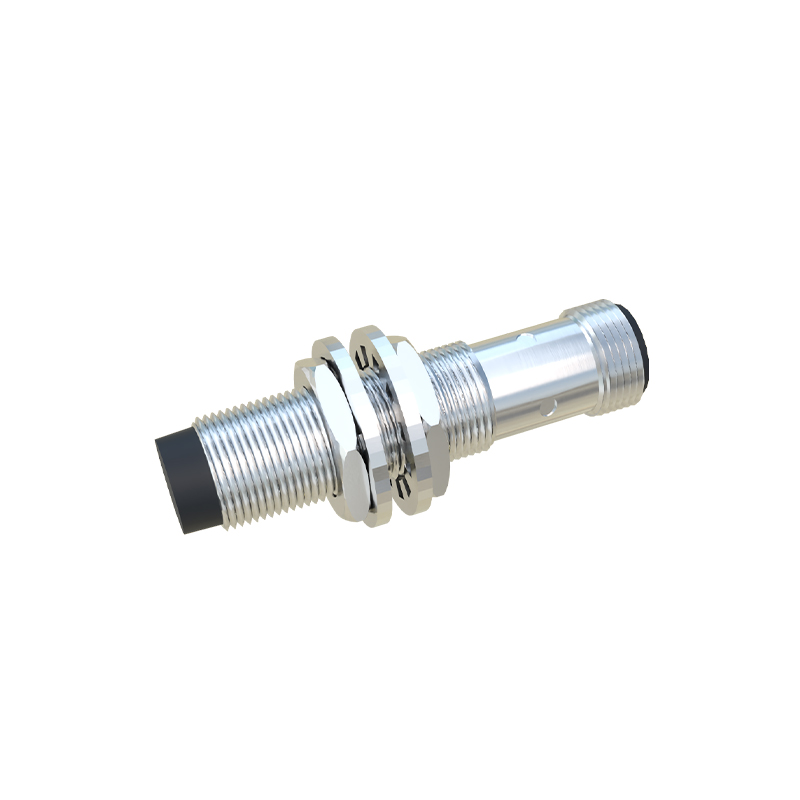
The JL2-D5B3 represents a specific model within the broad category of inductive proximity sensors, a cornerstone technology in industrial automation. These non-contact devices detect the presence or absence of metallic objects without physical touch, ensuring reliability and longevity in demanding environments. Operating on the principle of electromagnetic induction, the sensor generates an oscillating electromagnetic field from its active face. When a conductive metal target enters this field, eddy currents are induced within the target, causing a change in the sensor's oscillation amplitude. This change is detected by the internal circuitry, which subsequently triggers a solid-state switching output. The JL2-D5B3 is typically designed as a cylindrical, shielded (flush-mountable) sensor, allowing for installation in metallic surroundings without performance degradation.
Key Specifications of the JL2-D5B3 Model
Understanding the technical specifications is crucial for proper integration. The "JL2" series often denotes a cylindrical housing, while "D5" typically indicates an 18mm diameter. The "B3" suffix commonly specifies the electrical characteristics and output configuration. A standard JL2-D5B3 sensor usually operates on a DC supply voltage, often in the range of 10-30V DC, and features a 3-wire configuration with a PNP (sourcing) or NPN (sinking) transistor output. Its sensing distance, or nominal range, is typically 5mm for mild steel, with a correction factor applied for other metals like aluminum or copper. Key performance parameters include a high switching frequency, allowing for detection of rapidly moving objects, a minimal hysteresis to ensure precise repeatability, and robust protection ratings such as IP67, which guarantees resistance to dust and temporary immersion in water, making it suitable for harsh workshop conditions.
Wiring and Installation Guidelines
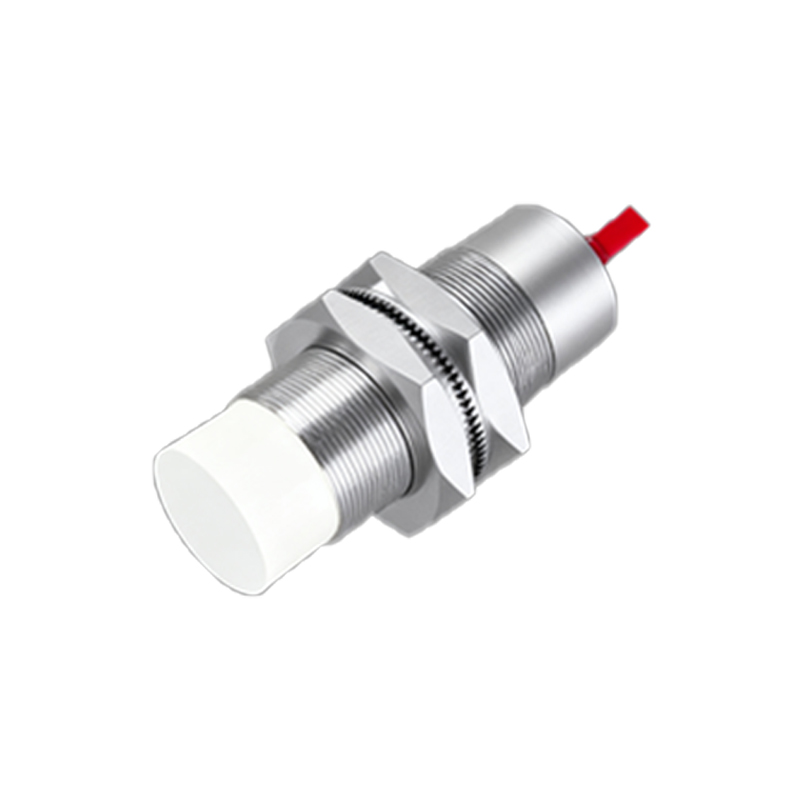
Correct installation is paramount for optimal performance. The JL2-D5B3's 3-wire system comprises a brown wire for positive supply (+V), a blue wire for common negative (0V), and a black wire for the switched output signal. For a PNP version, the black wire sources current to the load, which is connected between the black wire and the negative rail. The sensor must be mounted securely, taking care not to exceed its specified tightening torque to avoid damaging the housing. Being a shielded type, it can be mounted flush in a metal bracket. However, it is essential to maintain the recommended lateral and axial clearance from adjacent metal surfaces to prevent false triggering. Always refer to the manufacturer's datasheet for precise dimensional drawings and clearance requirements specific to the JL2-D5B3 variant.
Application Scenarios in Industrial Automation
The robustness and reliability of the JL2-D5B3 make it indispensable across various sectors. In automotive assembly lines, it is used for part presence verification, such as confirming a piston is in place before machining. On packaging machinery, it counts metallic items on conveyor belts or detects the open/closed position of metal doors and guards. Within material handling systems, these sensors provide end-of-travel detection for robotic arms or position feedback on linear actuators. A common application is in metal stamping presses, where the sensor verifies that a sheet metal blank has been fed correctly into the die before the press cycle initiates, preventing costly tool damage. Its fast response time is also leveraged in high-speed sorting systems for small metal components.
Troubleshooting and Maintenance Practices
While known for durability, sensors can encounter issues. Common problems include failure to detect a target. This can be caused by an incorrect power supply, wiring error, using a non-metallic or incorrect metal target, or the target being outside the effective sensing range. Electrical noise from nearby motors or frequency drives can also cause erratic behavior, often remedied by using shielded cables and proper grounding. Regular maintenance involves visual inspection for physical damage or accumulation of metallic swarf on the sensing face, which can reduce the effective range. Periodically checking the output with a multimeter or a programmable logic controller (PLC) input status indicator is a good practice. Always ensure the operating environment stays within the specified temperature and voltage limits.
Comparison and Selection Considerations
When selecting a sensor like the JL2-D5B3, engineers must evaluate it against alternatives. Capacitive sensors can detect non-metallic materials but are more sensitive to environmental changes. Ultrasonic sensors offer longer ranges but may have slower response times. Within the inductive proximity family, choices include different housing sizes (e.g., 8mm, 12mm, 30mm), sensing ranges, output types (PNP/NPN/NO/NC), and connection methods (pre-wired cable or quick-disconnect). The