Introduction to Photoelectric Sensors in Motor Applications
Photoelectric sensors have become integral components in modern new energy motors, including those used in electric vehicles (EVs), wind turbines, and industrial automation systems. These sensors operate by emitting a light beam—typically infrared, visible, or laser—and detecting changes in the received light to monitor position, speed, and presence of objects. In the context of new energy motors, which prioritize high efficiency, precision control, and durability, photoelectric sensors offer non-contact measurement, reducing wear and tear compared to mechanical alternatives. Their ability to function in harsh environments with minimal maintenance makes them ideal for applications where reliability is critical, such as in battery management systems or motor rotor position detection. As the demand for cleaner energy solutions grows, the role of these sensors in optimizing motor performance becomes increasingly significant.
Key Operating Principles and Technologies
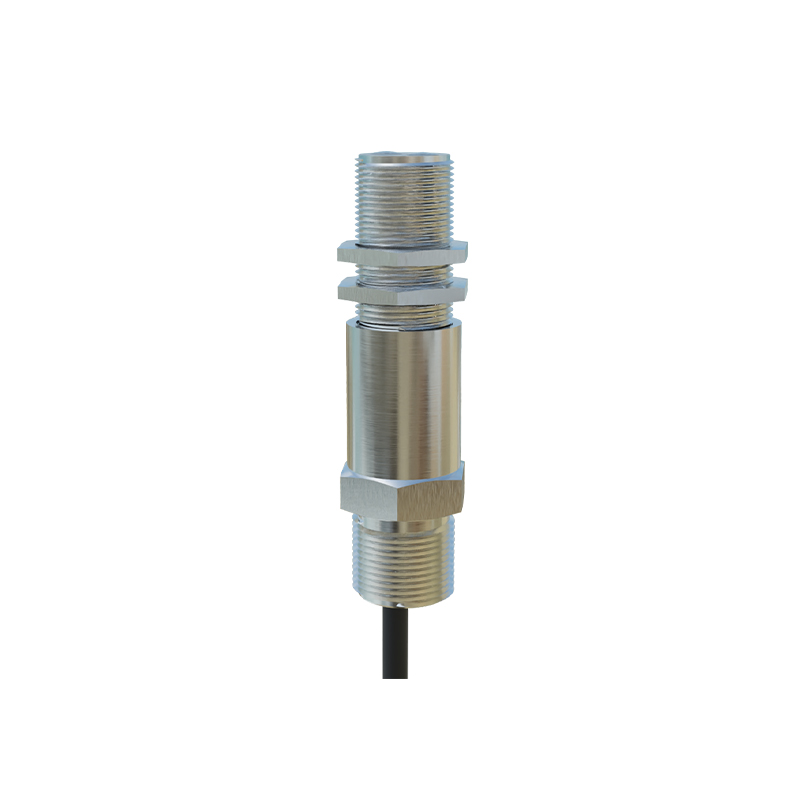
The functionality of photoelectric sensors relies on three main types: through-beam, retro-reflective, and diffuse reflective. Through-beam sensors consist of separate emitter and receiver units, providing high accuracy for detecting objects that interrupt the light path—useful in monitoring motor shaft rotation or alignment in assembly lines. Retro-reflective sensors use a reflector to bounce light back to the receiver, ideal for detecting components in compact motor designs. Diffuse reflective sensors detect light reflected directly from an object, enabling proximity sensing in tight spaces, such as within motor housings. Advanced versions incorporate fiber optics or laser technology for enhanced precision, allowing real-time feedback on parameters like torque and speed. In new energy motors, these technologies facilitate seamless integration with digital control systems, supporting adaptive performance tuning and energy conservation.
Applications in Electric Vehicle Motors
In electric vehicle motors, photoelectric sensors contribute to efficiency and safety by monitoring critical parameters. For instance, they track rotor position and speed in brushless DC motors, ensuring precise commutation and reducing energy loss. This is vital for extending battery life and improving driving range. Additionally, sensors are used in thermal management systems to detect overheating in motor components, triggering cooling mechanisms to prevent damage. In regenerative braking systems, photoelectric sensors help measure wheel speed and adjust braking force, recovering kinetic energy for battery recharge. Their fast response times and immunity to electromagnetic interference (EMI)—common in high-power motor environments—make them reliable choices for EVs, where performance and reliability are paramount for consumer adoption and regulatory compliance.
Role in Renewable Energy Systems
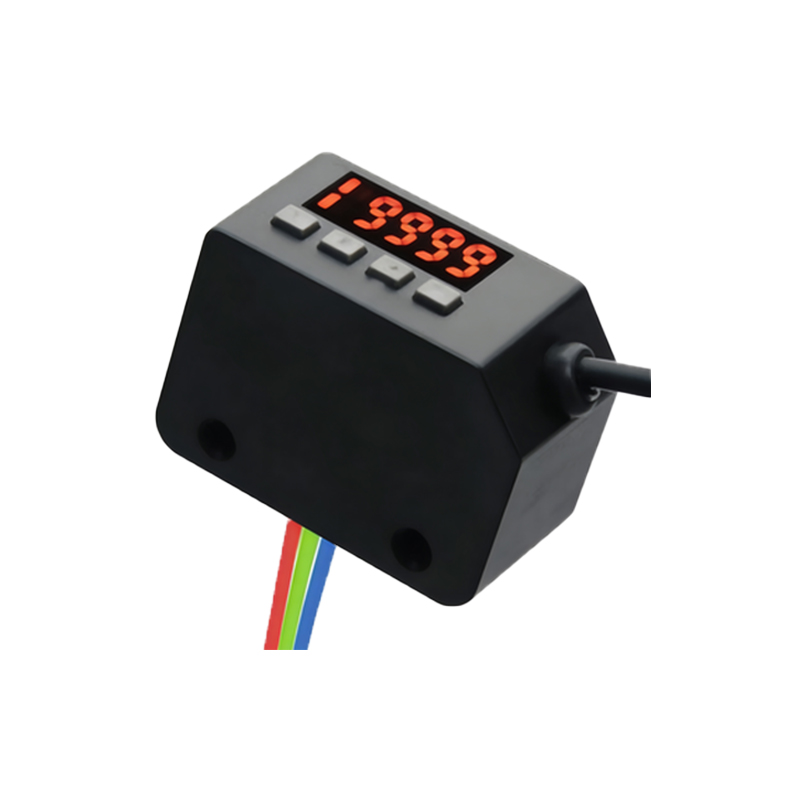
Beyond EVs, photoelectric sensors support renewable energy applications, such as in wind turbine generators and solar tracking motors. In wind turbines, sensors monitor blade pitch and yaw position, optimizing alignment with wind direction to maximize energy capture. They also detect anomalies in gearbox or generator rotation, enabling predictive maintenance to reduce downtime. For solar power systems, sensors assist in positioning motors that adjust panel angles, ensuring optimal sunlight exposure throughout the day. By providing accurate, real-time data, these sensors enhance the overall efficiency of renewable energy installations, contributing to grid stability and lower operational costs. Their durability in outdoor conditions—resisting moisture, dust, and temperature extremes—aligns with the long-term demands of sustainable energy infrastructure.
Advantages Over Traditional Sensing Methods
Photoelectric sensors offer distinct advantages over traditional sensing methods like inductive or capacitive sensors in new energy motor applications. Their non-contact nature eliminates mechanical friction, leading to longer lifespans and reduced maintenance—key factors in high-duty cycles of industrial motors. They provide higher precision and faster response times, crucial for dynamic motor control in variable load conditions. Moreover, photoelectric sensors can detect a wide range of materials, including transparent or reflective surfaces, which is beneficial in monitoring composite materials used in lightweight motor designs. With minimal susceptibility to electrical noise, they ensure stable operation in the EMI-rich environments of power electronics. These benefits collectively enhance motor reliability, energy efficiency, and cost-effectiveness, driving adoption in the evolving new energy sector.
Challenges and Future Developments
Despite their benefits, photoelectric sensors face challenges in new energy motor applications. Environmental factors like fog, dust, or intense light can interfere with light beams, potentially causing false readings—addressed through sealed housings or modulated light signals. Integration with IoT and Industry 4.0 systems requires advanced connectivity features, such as IO-Link or wireless communication, for data analytics and remote monitoring. Future developments focus on miniaturization for embedding in compact motor designs, as well as smart sensors with self-diagnostic capabilities to predict failures. Research into energy-harvesting photoelectric sensors could reduce power consumption, aligning with sustainability goals. As new energy motors evolve toward higher speeds and smarter controls, photoelectric sensors will likely incorporate AI-driven algorithms for adaptive sensing, further boosting efficiency and reliability in green technologies.
Conclusion and Industry Outlook
Photoelectric sensors are pivotal in advancing new energy motors, enabling precise control, efficiency, and durability across applications from EVs to renewable energy. Their ability to provide non-contact, high-speed feedback supports the transition to cleaner energy by optimizing motor performance and reducing waste. As industries push for stricter energy standards and automation, the demand for advanced photoelectric sensors is expected to grow, with innovations focusing on resilience and connectivity. Engineers and manufacturers should prioritize sensor selection based on application-specific needs, such as environmental resistance or integration with digital networks. By leveraging these technologies, the new energy sector can achieve greater sustainability and operational excellence, solidifying photoelectric sensors as key enablers in the global shift toward electrification and renewable resources.