Introduction to Ultra-Thin Photoelectric Sensors
The evolution of industrial automation demands components that are not only precise but also space-efficient. Ultra-thin photoelectric sensors have emerged as a critical solution in this landscape, offering reliable object detection in constrained environments. These sensors utilize light beams to detect the presence, absence, or distance of objects, a fundamental function in assembly lines, packaging machinery, and robotic systems. Their slim profile allows for installation in tight spaces where traditional sensors cannot fit, thereby enhancing design flexibility and optimizing machine layouts. The core principle involves an emitter that projects a light beam and a receiver that detects changes in the light pattern caused by an interrupting object. This technology, while simple in concept, requires advanced engineering to maintain accuracy and durability in ultra-compact forms. As industries push for miniaturization and higher efficiency, the role of these sensors becomes increasingly indispensable, paving the way for innovations like those from Motto.
Motto's Design and Technical Specifications
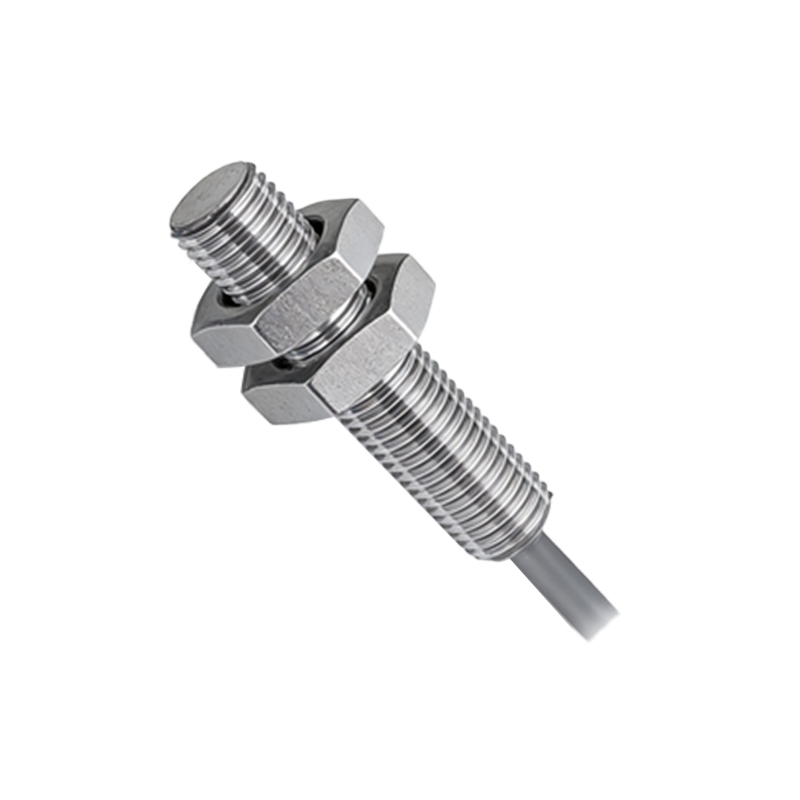
Motto's ultra-thin photoelectric sensors represent a pinnacle of engineering, combining minimal dimensions with robust performance. Typically measuring less than 10mm in thickness, these sensors are designed for seamless integration into modern machinery. They feature high-intensity LED light sources, often in visible red or infrared spectra, ensuring consistent beam quality for precise detection. The housing is constructed from durable materials like stainless steel or reinforced plastics, providing resistance to industrial contaminants such as dust, oil, and moisture. Key specifications include sensing ranges from a few millimeters to several meters, response times in microseconds, and various output options like NPN, PNP, or analog signals. Motto models often incorporate advanced functions such as background suppression, which ignores reflective backgrounds, and teach-in capabilities for easy configuration. These technical attributes ensure reliable operation in diverse applications, from electronics manufacturing to automotive logistics.
Applications in Modern Automation
The practical applications of Motto's ultra-thin photoelectric sensors span across multiple sectors, driving efficiency and safety. In conveyor systems, they detect product positioning and count items with high speed, preventing jams and ensuring smooth workflow. Robotic arms utilize these sensors for precise pick-and-place operations, where space is limited around grippers or end-effectors. In packaging machinery, they verify label placement or monitor film feed, critical for quality control. The electronics industry benefits from their ability to inspect tiny components on circuit boards, while automotive assembly lines rely on them for part verification and robot guidance. Their low-power consumption and compact size also make them ideal for portable devices and medical equipment. By enabling accurate sensing in confined areas, Motto's sensors reduce machine footprint, lower maintenance needs, and enhance overall system reliability.
Advantages Over Traditional Sensors
Compared to conventional photoelectric or mechanical sensors, Motto's ultra-thin variants offer distinct advantages that align with contemporary industrial trends. Their reduced size allows for closer mounting to detection points, minimizing blind spots and improving accuracy. This slim design also contributes to lighter overall machine weight, which can lower energy costs and facilitate easier installation. Energy efficiency is another key benefit, as modern LEDs and circuitry require minimal power, supporting sustainable operations. Durability is enhanced through solid-state construction with no moving parts, reducing wear and tear from vibrations or impacts. Additionally, their versatility in mounting options—such as side-mount or through-hole—provides engineers with greater flexibility in system design. These factors collectively lead to lower total cost of ownership, as they decrease downtime and extend equipment lifespan.
Installation and Maintenance Best Practices
Proper installation and maintenance are crucial for maximizing the performance and longevity of Motto's ultra-thin photoelectric sensors. During installation, ensure the sensor is aligned correctly with the target path, avoiding obstructions that could cause false triggers. Mounting surfaces should be clean and stable to prevent misalignment from vibrations. Environmental factors must be considered; for instance, in dusty areas, regular lens cleaning may be necessary to maintain beam integrity. Electrical connections should follow manufacturer guidelines to prevent short circuits or signal interference. For maintenance, periodic checks of output signals and housing integrity can preempt failures. Motto sensors often feature diagnostic LEDs for quick troubleshooting, indicating power status or detection activity. By adhering to these practices, users can achieve optimal sensor life and consistent operation, minimizing disruptions in automated processes.
Future Trends and Innovations
The future of ultra-thin photoelectric sensors, as exemplified by Motto's ongoing research, points toward even greater integration and intelligence. Emerging trends include the incorporation of IO-Link communication, enabling sensors to transmit detailed diagnostic data and parameters to central control systems for predictive maintenance. Miniaturization will continue, with sensors becoming thinner and more powerful, possibly integrating multiple sensing modes in one unit. Enhanced materials may offer better resistance to extreme temperatures or corrosive chemicals. Furthermore, advancements in AI and machine learning could allow sensors to adapt dynamically to changing environments, improving detection accuracy in complex scenarios. As Industry 4.0 and the Internet of Things expand, Motto's sensors are poised to become smarter, more connected components in fully automated, data-driven factories.
Conclusion
Motto's ultra-thin photoelectric sensors embody the convergence of compact design and high-performance sensing, essential for today's automated industries. Their ability to operate reliably in limited spaces while offering advanced features makes them a valuable asset across applications from manufacturing to logistics. By understanding their specifications, applications, and maintenance needs, engineers can leverage these sensors to build more efficient, flexible, and resilient systems. As technology evolves, innovations in connectivity and intelligence will further enhance their role, solidifying their position as key enablers of modern automation. Embracing such solutions not only addresses current challenges but also prepares industries for a future where precision and adaptability are paramount.