Understanding Modern Photoelectric Sensing Technology
The landscape of industrial automation has been fundamentally reshaped by the evolution of photoelectric sensors. These devices, which detect the presence, absence, or distance of objects using a light transmitter and receiver, are now integral to countless processes. Modern advancements have led to sensors with unprecedented precision, longer sensing ranges, and robust performance in challenging environments. Key technologies include diffuse reflective, retro-reflective, and through-beam sensors, each offering distinct advantages for specific applications. The core innovation lies in the use of modulated LED light sources and sophisticated signal processing, which allow these sensors to ignore ambient light interference and detect even the smallest or most transparent objects reliably. This technological leap is a primary driver for manufacturers to offer direct sales, ensuring users receive the latest, most capable components without intermediary delays or markups.
Advantages of Direct Manufacturer Procurement
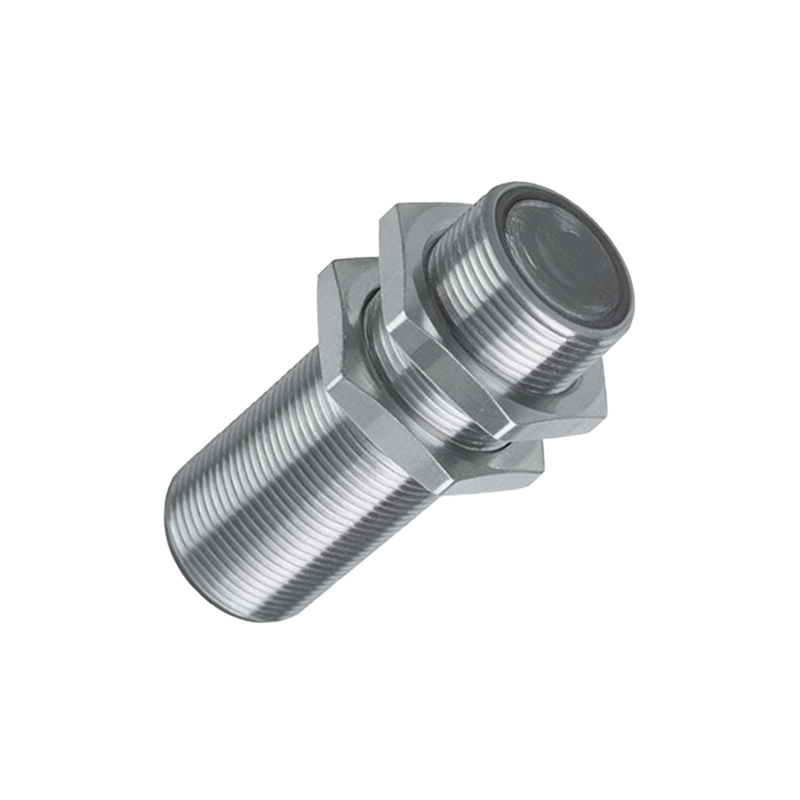
Procuring advanced photoelectric sensors directly from the factory source presents a compelling value proposition for OEMs and system integrators. The most significant benefit is cost efficiency; by eliminating distributor margins, customers achieve substantial savings on unit costs, especially for high-volume orders. This direct line also facilitates unparalleled technical collaboration. Engineers can engage directly with the manufacturer's application specialists to discuss specific requirements, receive tailored product recommendations, and even collaborate on custom sensor solutions. Furthermore, the supply chain is streamlined, reducing lead times and ensuring a more reliable inventory of critical components. Direct access often includes comprehensive lifecycle support, from initial prototyping assistance to long-term maintenance and firmware updates, creating a partnership that extends far beyond a simple transaction.
Key Features of Next-Generation Photoelectric Sensors
Manufacturers at the forefront are integrating a suite of advanced features into their latest photoelectric sensor offerings. High-performance models now boast background suppression technology, which allows for precise detection independent of an object's color, reflectivity, or surface texture. The integration of IO-Link communication is becoming standard, enabling smart sensor functionality such as parameter setting, process data monitoring, and predictive maintenance diagnostics directly from the controller. Enhanced durability is achieved through housings rated at IP67, IP69K, or higher, protecting against dust, water jets, and harsh cleaning chemicals. Additionally, innovations in laser-based models provide extremely small, visible light spots for detecting minute parts or performing precise edge detection. These features, developed in-house, are best understood and supported when sourced directly.
Applications Across Diverse Industries
The versatility of modern photoelectric sensors makes them indispensable across a broad industrial spectrum. In packaging and material handling, they are used for precise object counting, fill-level control, and label detection on high-speed lines. Automotive manufacturing relies on them for robot guidance, part presence verification, and weld seam tracking. The food and beverage industry utilizes stainless-steel, washdown-rated sensors for container inspection and safety interlocking. In electronics assembly, miniature sensors facilitate the placement and inspection of tiny components on PCBs. Logistics and warehousing automation depend on them for parcel dimensioning, barcode reading, and automated guided vehicle (AGV) navigation. Direct manufacturer relationships ensure access to application-specific expertise and sensors optimized for these unique environmental and operational challenges.
Selecting the Right Manufacturer Partner
Choosing a manufacturer for direct sourcing requires careful evaluation beyond just product specifications. A reliable partner should demonstrate a proven track record of innovation, holding relevant patents and industry certifications. Their production capabilities should reflect stringent quality control, such as ISO 9001 certification, ensuring consistency and reliability in every unit. Evaluate their technical support structure; a strong partner will offer detailed datasheets, CAD models, simulation tools, and responsive engineering support. Consider their global logistics network and ability to provide consistent supply. Finally, assess their commitment to future technologies and their product roadmap. A manufacturer investing in R&D for areas like integrated vision sensing, AI-enabled diagnostics, and enhanced connectivity protocols will be a valuable long-term partner in navigating the future of industrial automation.
The Future of Direct Industrial Supply Chains
The trend toward direct manufacturer procurement for critical components like photoelectric sensors is accelerating, driven by digital transformation. Manufacturers are increasingly offering seamless online platforms for product selection, configuration, and ordering, complemented by virtual technical consultations. The future points toward even deeper integration, where sensor performance data feeds directly back to the manufacturer for analysis, enabling proactive support and product improvement. This model fosters a collaborative ecosystem where user feedback directly influences next-generation designs. As Industry 4.0 and the Industrial Internet of Things (IIoT) mature, the intelligence embedded in each sensor will become more critical, making the direct technical lineage and support from the manufacturer not just an economic advantage, but a strategic necessity for maintaining competitive, efficient, and intelligent operations.