Introduction to Proximity Sensors
Proximity sensors are non-contact electronic devices designed to detect the presence or absence of objects within a defined sensing range. Unlike mechanical switches, they operate without physical contact, making them ideal for harsh environments where dirt, moisture, or wear could compromise performance. These sensors are fundamental in industrial automation, providing critical data for control systems. They are categorized primarily by their detection principle, with inductive, capacitive, ultrasonic, and photoelectric types being the most prevalent. Each type has distinct operating characteristics, suited to specific materials and applications, from metal detection on assembly lines to liquid level sensing in tanks. Their reliability and speed form the backbone of modern manufacturing processes.
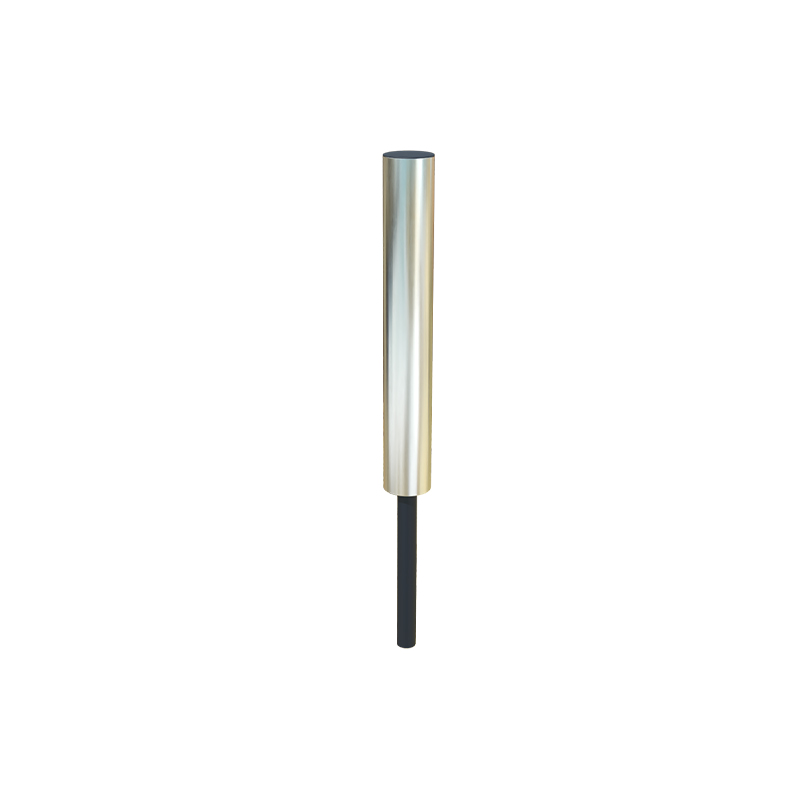
Inductive Proximity Sensors for Metallic Objects
Inductive proximity sensors are the workhorses of metal detection. They generate an electromagnetic field from a coil in the sensing face. When a ferrous or non-ferrous metal object enters this field, eddy currents are induced, causing a change in the oscillation amplitude. This change is detected by the sensor's circuitry, triggering an output signal. The accompanying diagram typically shows a sensor mounted near a conveyor, detecting metal parts as they pass by. Key applications include position verification of machine parts, end-of-travel detection in cylinders, and counting metal objects. Their robustness allows them to function reliably in environments with oil, coolant, and metallic chips, but they are ineffective for detecting non-metallic materials.
Capacitive Proximity Sensors for Diverse Materials
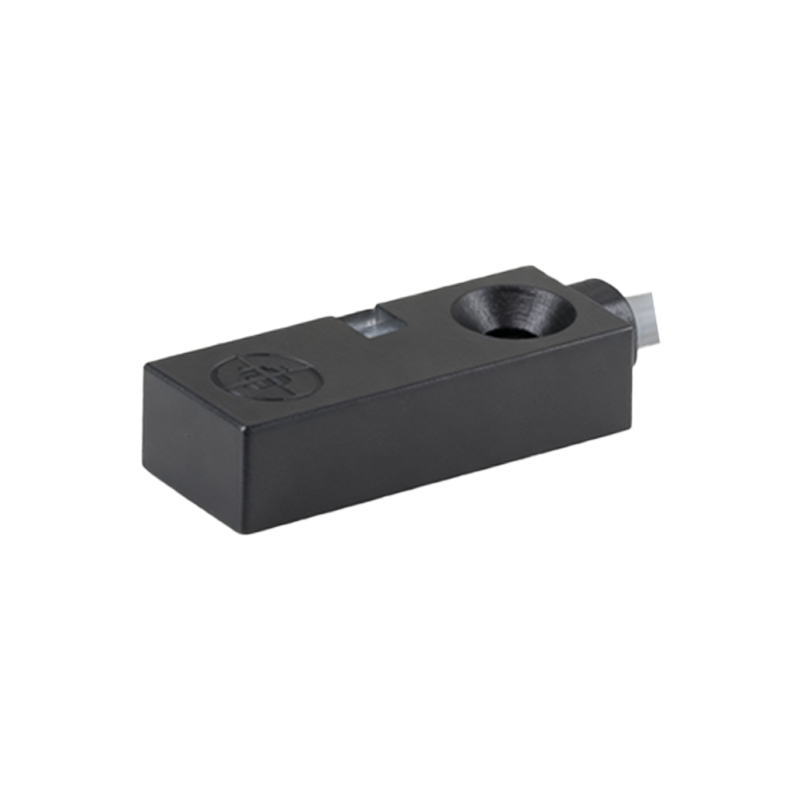
Capacitive sensors can detect a much wider range of materials, including metals, plastics, glass, wood, and liquids. They function by generating an electrostatic field. Any object that enters this field alters the capacitance of the sensor's circuit, leading to a state change. A common application diagram depicts a capacitive sensor monitoring the fill level of a plastic or glass container by detecting the material of the container itself or the liquid inside. They are extensively used in packaging, food and beverage, and chemical industries for level control, material presence detection, and even sensing through thin non-metallic walls. Sensitivity adjustment is a crucial feature, allowing tuning to ignore container walls and focus on the target material.
Photoelectric Sensors for Long-Range Detection
Photoelectric sensors use a beam of light, often infrared, to detect objects. They consist of an emitter and a receiver. The three main operating modes are through-beam, retro-reflective, and diffuse reflective, each illustrated in standard diagrams. Through-beam models have separate units; an object is detected when it interrupts the beam. Retro-reflective types use a reflector, while diffuse sensors detect light reflected directly from the target. These sensors offer the longest sensing ranges among proximity types and can detect virtually any material. Diagrams show them controlling door operations, detecting transparent bottles on a line, or ensuring correct stacking on pallets. Their versatility makes them indispensable for complex automation tasks.
Ultrasonic Sensors for Challenging Conditions
Ultrasonic sensors measure distance or detect presence by emitting high-frequency sound waves and evaluating the reflected echo. The timing of the echo return determines the object's distance. Application diagrams often show these sensors monitoring bulk material levels in silos, detecting clear films, or guiding automated guided vehicles (AGVs). They perform exceptionally well in environments with dust, fog, or varying light conditions where photoelectric sensors might fail. They can detect most solids and liquids regardless of color or material composition. However, their response time is generally slower than other sensor types, and soft materials may absorb sound waves, reducing effectiveness.
Key Selection Criteria and Application Diagrams
Selecting the correct proximity sensor requires analyzing several factors, as highlighted in comparative diagrams. The primary consideration is the target material: inductive for metals, capacitive for nearly all materials, photoelectric for long-range and precise detection, and ultrasonic for harsh or transparent targets. Other critical parameters include sensing distance, required output type (PNP/NPN analog/digital), environmental conditions (IP rating), mounting style, and response frequency. An integrated application diagram might showcase a packaging machine using inductive sensors to detect a metal drive shaft position, capacitive sensors to check liquid level in a glue reservoir, and photoelectric sensors to verify case presence—all working in concert for automated control.
Installation and Troubleshooting Tips
Proper installation is paramount for optimal performance. Diagrams provide clear guidelines: maintain the specified sensing distance, ensure the target approaches the sensor head correctly, and avoid mounting sensors opposite each other to prevent mutual interference (for inductive types). For inductive and capacitive sensors, a non-metallic mounting bracket is recommended to prevent shielding effects. Common issues include false triggering due to environmental factors like welding sparks or strong vibrations. Troubles