Introduction to 2253 Photoelectric Sensors
The 2253 series represents a versatile and widely adopted family of photoelectric sensors in industrial automation. These sensors are engineered to detect the presence, absence, or position of objects across diverse applications, from packaging and material handling to assembly line monitoring. Their core principle of operation involves emitting a beam of light—typically infrared, visible red, or laser—and detecting changes in the received light signal caused by an object interrupting or reflecting the beam. The 2253 models are renowned for their robust construction, reliable performance in challenging environments, and ease of integration into complex control systems. This article provides a detailed examination of their key parameters and technical specifications, offering engineers and technicians a comprehensive reference for selection and application.
Key Electrical Parameters and Specifications
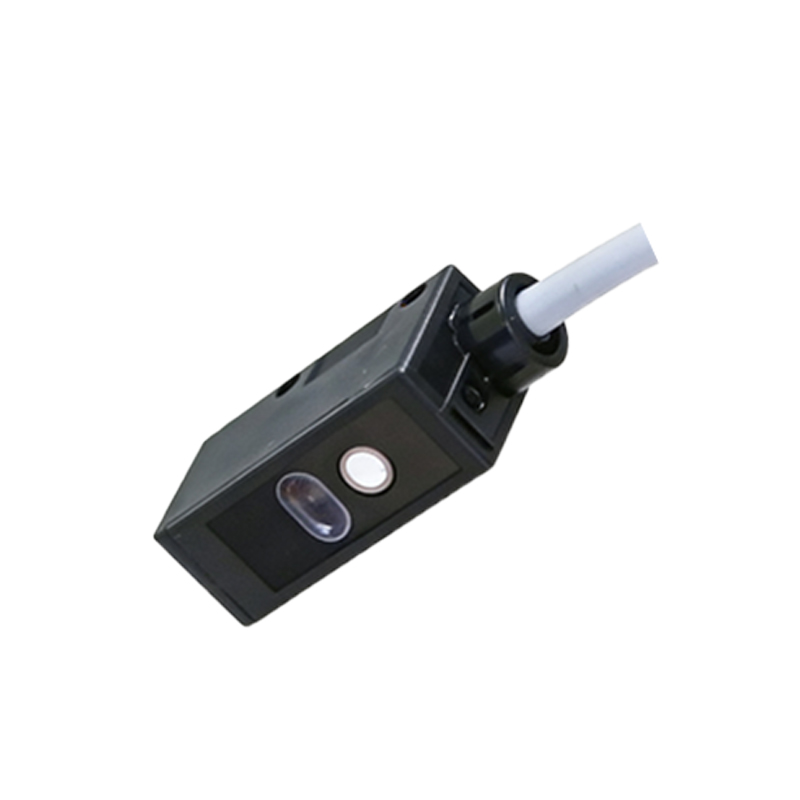
Understanding the electrical characteristics is fundamental for proper system integration. The operating voltage range for the 2253 series typically spans from 10 to 30 V DC, ensuring compatibility with standard industrial power supplies. The current consumption is notably low, often below 30 mA, which minimizes the load on the power source. The output configuration is a critical parameter; common variants include NPN (sinking) or PNP (sourcing) transistor outputs, with some models featuring analog or IO-Link capabilities for advanced data communication. The load current rating, usually up to 100 mA, defines the maximum current the output can switch. Response time, a measure of how quickly the sensor reacts to a change in detection status, is exceptionally fast, typically in the range of 0.5 to 1 millisecond, enabling high-speed counting and positioning tasks.
Optical Performance and Sensing Modes
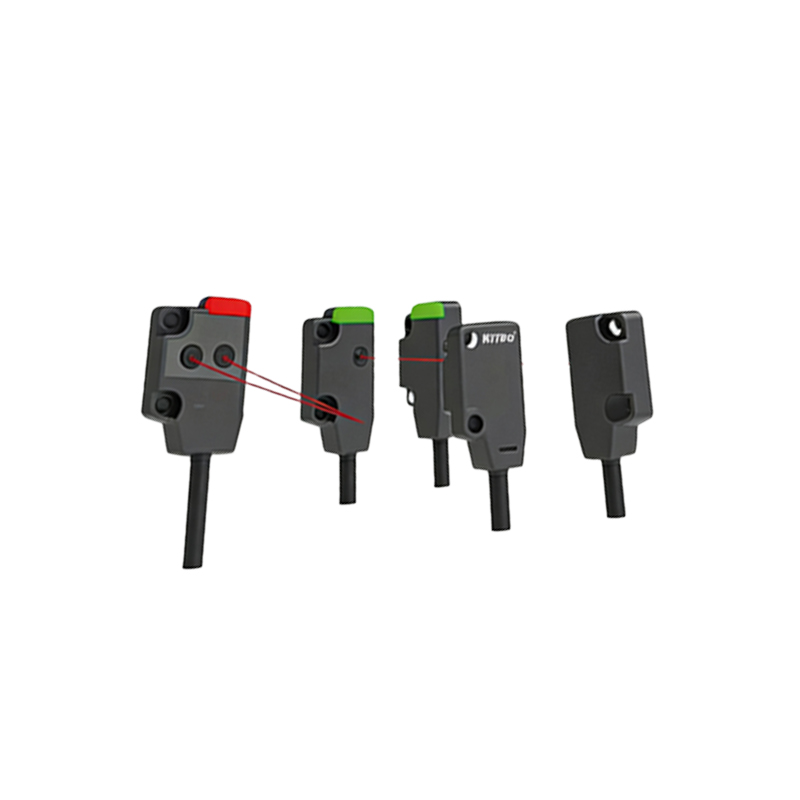
The optical design dictates the sensor's detection capabilities. The 2253 series is available in three primary sensing modes: through-beam, retro-reflective, and diffuse reflective. Through-beam models offer the longest sensing distances, often exceeding 15 meters, by using separate emitter and receiver units. Retro-reflective types use a single housing and a reflector, with sensing ranges commonly up to 5 meters. Diffuse reflective sensors detect objects by reflecting light directly off the target, with ranges typically up to 2 meters, and often include background suppression technology to ignore objects beyond a set distance. The light source type (e.g., modulated infrared LED) and the emitted wavelength are precisely controlled to ensure immunity to ambient light interference, a feature specified by parameters like ambient light immunity, often rated at over 10,000 lux.
Mechanical and Environmental Specifications
Durability in industrial settings is paramount. The housing of 2253 sensors is commonly constructed from high-grade plastics or nickel-plated brass, providing resistance to physical impact and corrosion. The ingress protection rating, a crucial parameter, is typically IP67 or higher. This signifies complete protection against dust ingress and the ability to withstand temporary immersion in water, making them suitable for washdown environments. Operating and storage temperature ranges are broad, usually from -25°C to +55°C or -40°C to +70°C for extended models. Vibration and shock resistance ratings ensure reliable operation on moving machinery. The connection method, such as M8 or M12 quick-disconnect connectors or cable versions, is another key mechanical specification influencing installation and maintenance.
Functional Features and Adjustability
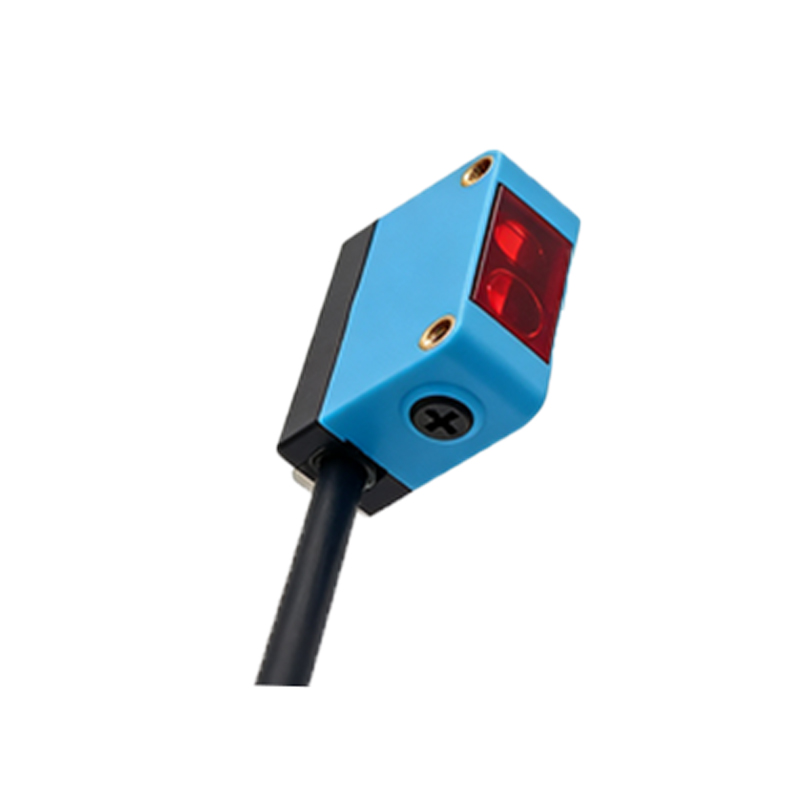
Modern 2253 sensors incorporate several user-adjustable features for enhanced application flexibility. Many models are equipped with a potentiometer or teach-in buttons for setting the sensitivity threshold, allowing fine-tuning for different object colors, sizes, or surface textures. The presence of a stable operation indicator (green LED) and a light-on/dark-on switchable output function simplifies setup and diagnostics. Some advanced versions offer programmable logic functions, timers, or counters built into the sensor head. The hysteresis, a parameter that defines the difference between the switch-on and switch-off points, is engineered to prevent output chatter when detecting objects at the precise sensing limit, ensuring clean and stable switching signals.
Application Considerations and Selection Guide
Selecting the correct 2253 sensor requires matching its parameters to the application's demands. For long-range detection in clean environments, a through-beam model is ideal. For applications where mounting space is limited or wiring two units is impractical, a retro-reflective sensor is preferable. Diffuse reflective sensors with background suppression are excellent for detecting objects at a precise distance, ignoring conveyor belts or background structures. When selecting, engineers must cross-reference the required sensing distance, object size/material, required response speed, environmental conditions (presence of dust, moisture, or chemicals), and the electrical interface of the controller (PLC). Consulting the detailed datasheet for the specific 2253 model variant is always recommended to confirm all parameters align with the operational requirements.
Conclusion and Industry Relevance
The 2253 photoelectric sensor series stands as a testament to reliable and adaptable sensing technology in automation. Its well-defined parameters—spanning electrical, optical, mechanical, and functional domains—provide engineers with a predictable and robust tool for solving diverse detection challenges. By thoroughly understanding specifications such as sensing range, output type, IP rating, and response time, professionals can deploy these sensors to optimize machine efficiency, enhance safety systems, and ensure consistent production quality. As industrial processes evolve towards greater connectivity and precision, the foundational role of accurately specified components like the 2253 sensor remains indispensable.