Introduction to Photoelectric Sensor Technology
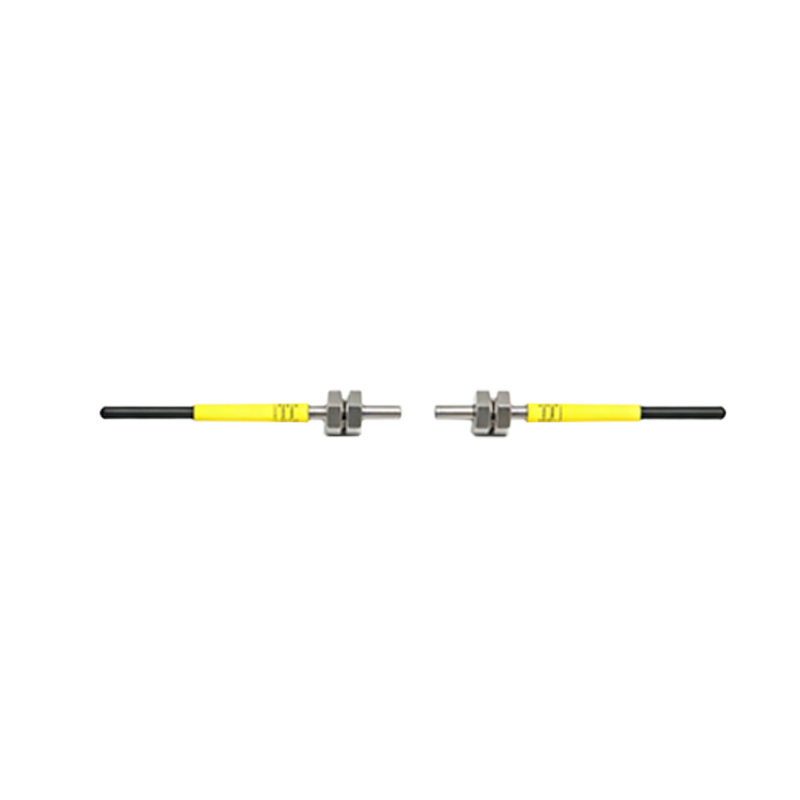
Photoelectric sensors are pivotal components in modern industrial automation and control systems. They operate by emitting a light beam, typically from an LED or laser diode, and detecting changes in the received light intensity. These changes are caused by the presence, absence, or specific characteristics of a target object. The core principle relies on the photoelectric effect, where light energy is converted into an electrical signal. This technology enables non-contact detection, offering significant advantages over mechanical limit switches, including higher precision, faster response times, and minimal wear and tear. Common types include through-beam, retro-reflective, and diffuse reflective sensors, each suited for different sensing distances and environmental conditions. Their fundamental reliability and versatility form the bedrock for their expanding role across various sectors of the electrical and automation industries.
Current Dominant Applications in Automation
Presently, photoelectric sensors are ubiquitous in factory automation. They are the eyes of production lines, performing critical tasks such as object detection, counting, positioning, and inspection. In packaging machinery, they ensure precise label placement and verify fill levels. On assembly lines, they confirm the presence of components before a robotic arm performs an operation, preventing errors and jams. They are integral to material handling systems, detecting the position of items on conveyors to control sorting gates and routing. Furthermore, in the electronics manufacturing sector, high-precision sensors verify the placement of miniature components on printed circuit boards (PCBs). Their ability to detect a vast range of materials—from metals and plastics to glass and liquids—without physical contact makes them indispensable for maintaining high-speed, efficient, and reliable automated processes.

Emerging Trends and Technological Advancements
The application landscape for photoelectric sensors is being reshaped by several key technological trends. The integration of Industrial Internet of Things (IIoT) capabilities is a major driver. Modern sensors now feature IO-Link communication, allowing for bidirectional data exchange. This enables not just state detection (on/off) but also the transmission of process data like signal strength, device temperature, and operating hours, facilitating predictive maintenance. Another significant trend is miniaturization, with sensors becoming smaller yet more robust, allowing installation in space-constrained applications. Enhanced performance is also evident, with sensors offering longer sensing ranges, higher immunity to ambient light interference, and improved capabilities for detecting challenging objects, such as clear glass or shiny metals. The development of background suppression and color recognition sensors further expands their utility in complex sorting and quality control tasks.
Future Prospects in Smart Manufacturing and Industry 4.0
The future of photoelectric sensors is intrinsically linked to the evolution of smart factories and Industry 4.0. As production systems become more interconnected and data-driven, sensors will transition from simple detection devices to intelligent data points on the network. Their role will expand into providing rich contextual information for digital twins—virtual models of physical processes. In collaborative robotics (cobots), advanced photoelectric safety sensors will create dynamic safety zones, allowing humans and robots to work safely in close proximity. Furthermore, with the rise of artificial intelligence and machine learning, data from sensor arrays can be analyzed to optimize production flow, predict equipment failures before they occur, and enable adaptive manufacturing systems that respond in real-time to changes in demand or material properties.
Expanding Horizons Beyond Traditional Industry
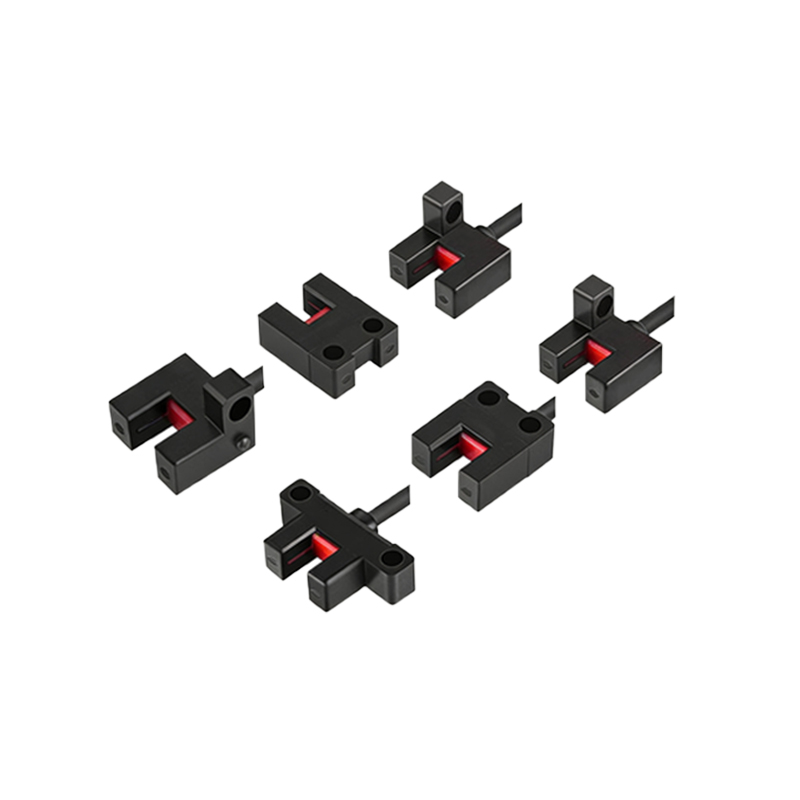
While industrial automation remains the core market, photoelectric sensors are finding novel applications in other burgeoning fields. In renewable energy, they are used for solar panel alignment and condition monitoring. Within the infrastructure sector, they contribute to smart building management by monitoring occupancy for lighting and HVAC control, and in automated parking guidance systems. The automotive industry, particularly in the development of autonomous vehicles, utilizes LiDAR, a sophisticated form of photoelectric sensing, for environmental perception and obstacle detection. Even in agriculture, sensors aid in automated harvesting and sorting of produce. This diversification underscores the technology's adaptability and its potential to drive efficiency and innovation across a broad spectrum of industries, solidifying its long-term relevance and growth trajectory.
Conclusion and Strategic Considerations
The application prospects for photoelectric sensors are exceptionally bright, fueled by continuous technological innovation and the global shift towards automation and digitalization. For engineers and system integrators, the strategic focus should be on selecting sensors with smart features like IO-Link, robust communication protocols, and high environmental resistance to future-proof installations. Understanding the specific requirements of the application—be it sensing distance, target material, or required data output—is paramount. As these devices become more intelligent and integrated, their value proposition shifts from mere component cost to total cost of ownership and the strategic insights they provide. Investing in the right photoelectric sensing technology today is an investment in building more resilient, efficient, and intelligent operational systems for tomorrow.