Introduction to Infrared Reflective Proximity Sensors
A proximity switch infrared reflective sensor is a non-contact electronic device designed to detect the presence or absence of an object within a specified range. Operating on the principle of infrared light reflection, these sensors emit an infrared beam from an integrated LED. When an object enters the detection field, it reflects a portion of this emitted light back to a phototransistor or photodiode receiver within the same sensor housing. The sensor's internal circuitry then processes this received signal to trigger a switching output. This technology is fundamental in automation for its reliability, speed, and ability to function without physical contact, thereby eliminating mechanical wear and tear. Its core components include the IR emitter, the receiver, and signal conditioning electronics, all packaged for industrial durability.
Core Operating Principles and Technology
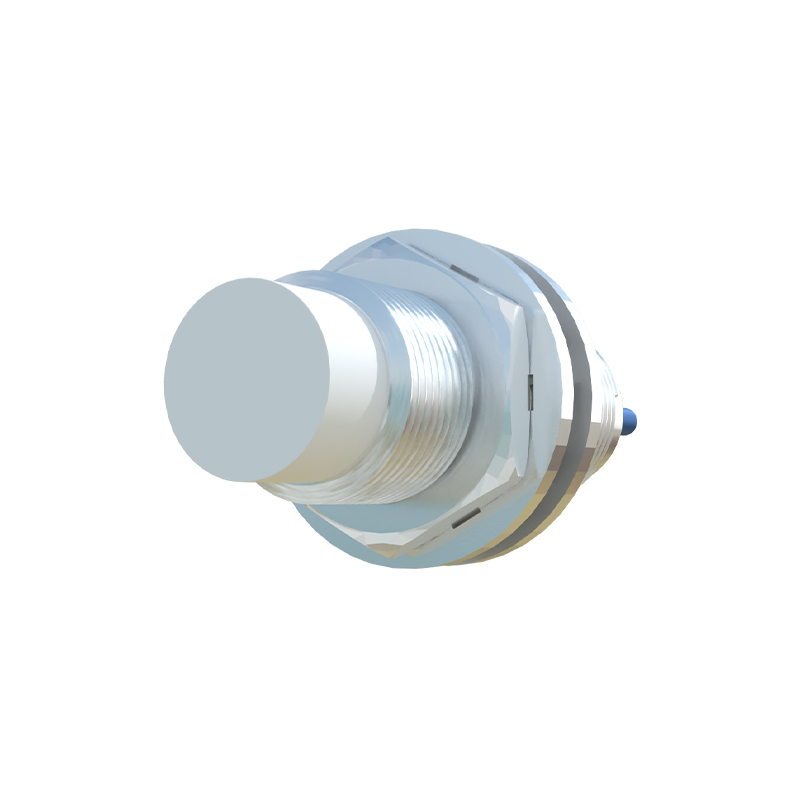
The operational heart of these sensors lies in modulated infrared light. To enhance immunity to ambient light interference—such as from sunlight or factory lighting—the emitted IR beam is typically pulsed at a specific high frequency. The receiver is tuned to respond only to light modulated at this same frequency, effectively filtering out constant or differently modulated light sources. The detection logic is based on the intensity of the reflected signal. In a standard setup, the output switches state when the reflected intensity surpasses a pre-set threshold, indicating an object is present. Some advanced models utilize background suppression technology, which uses triangulation principles to measure the angle of the reflected beam, allowing them to detect an object only within a precise, limited distance while ignoring objects beyond that range, even if they are more reflective.
Key Performance Specifications and Parameters
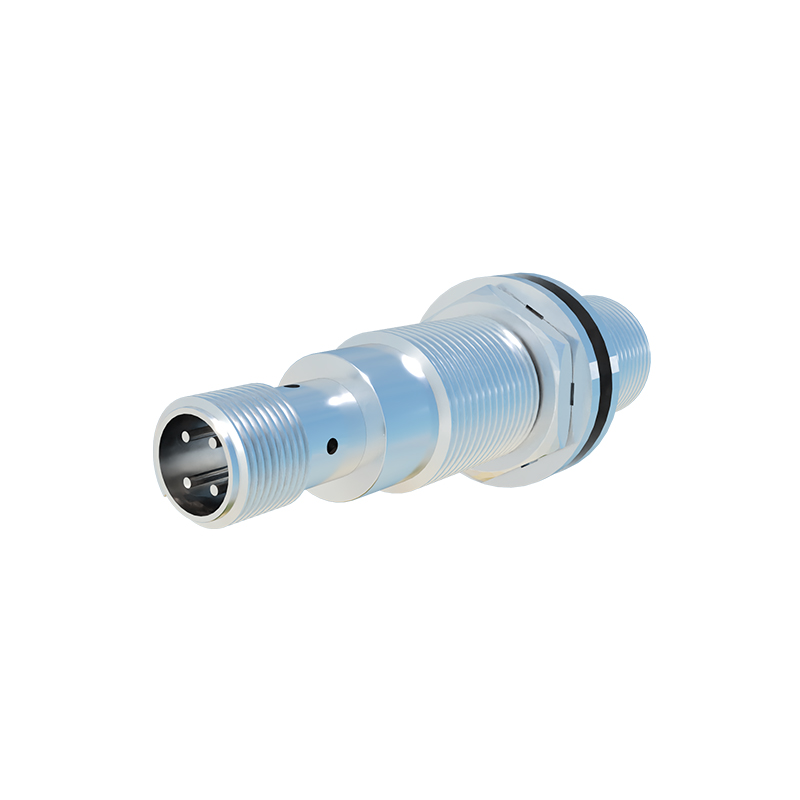
Selecting the appropriate sensor requires a thorough understanding of its key specifications. The sensing distance, or range, is paramount and varies significantly between models, typically from a few millimeters up to several meters. It is crucial to note the stated sensing distance is for a standard white, matte surface (often 90% reflectance); dark or glossy objects may reduce the effective range. Response time, measured in milliseconds or microseconds, defines how quickly the sensor can react to a detected object, critical for high-speed automation lines. Other vital parameters include the output type (e.g., NPN, PNP transistor, analog, or IO-Link), supply voltage range, environmental protection rating (IP67/IP69K for washdown environments), and ambient temperature tolerance. The light source type, usually a specific wavelength of IR, also influences performance against different materials.
Primary Industrial Applications and Use Cases
Infrared reflective proximity sensors are ubiquitous across manufacturing and processing industries. In packaging machinery, they count bottles, detect label presence, or confirm case sealing. On assembly lines, they verify component placement or act as a safety interlock to detect operator presence. Within the automotive sector, they are used for robot guidance, part positioning, and weld seam tracking. Their non-metallic object detection capability makes them ideal for the food and beverage industry to sense plastic containers, glass bottles, or liquid levels. Furthermore, in material handling, they facilitate object counting on conveyors, palletizing, and warehouse automation for inventory management. Their sealed housings allow reliable operation in challenging environments with dust, moisture, or vibration.
Advantages Over Other Sensing Technologies
Compared to other proximity sensing methods, IR reflective sensors offer distinct benefits. Unlike inductive sensors, which only detect metals, IR sensors can detect virtually any solid material—plastic, wood, glass, or liquid. Compared to ultrasonic sensors, they generally offer faster response times and are less affected by temperature gradients or air turbulence, though they can be challenged by transparent objects or specific surface angles. Versus through-beam sensors (which have separate emitter and receiver units), the reflective type is easier to install and align since both elements are in one unit, reducing wiring and mounting complexity. However, this integrated design can limit the maximum sensing range compared to a through-beam setup.
Critical Considerations for Installation and Alignment
Proper installation is key to optimal performance. The sensor must be mounted securely to prevent misalignment from vibration. The sensing face should be perpendicular to the expected path of the target object for maximum signal reflection. Engineers must consider the object's characteristics: color, material, surface finish, and size. A small, dark, or absorbent target may require a sensor with a shorter nominal range or higher sensitivity setting. The installation environment must also be assessed for potential optical obstructions, buildup of dirt or condensation on the lens, and strong sources of infrared interference. Many sensors feature built-in alignment indicators (like an LED) or teach-in functions to simplify setup and verify reliable detection during commissioning.
Guidelines for Selection and Troubleshooting
A systematic approach ensures the right sensor choice.