Introduction to Photoelectric Sensing Technology
Photoelectric sensors are indispensable components in modern industrial automation, serving as the electronic "eyes" of machinery. These devices operate on a fundamental principle: they emit a beam of light, typically from an LED or laser diode, and detect changes in the received light signal. The presence, absence, or specific characteristics of a target object alter this light beam, triggering an electrical output from the sensor. This non-contact method of detection offers significant advantages over mechanical switches, including higher speed, longer life, and the ability to sense fragile or small objects without physical interaction. Their versatility allows them to be deployed in a vast array of applications, from simple object counting on a conveyor belt to complex positioning tasks in robotic assembly cells. The core functionality hinges on the precise detection of specific components or conditions within a system.
Primary Detection Targets: Opaque Objects
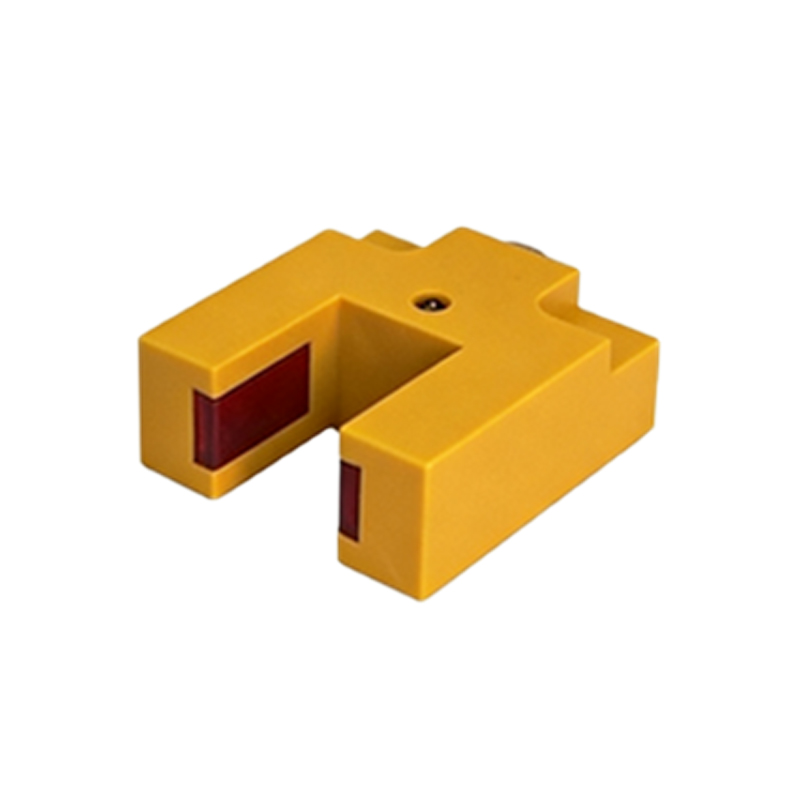
The most common application of photoelectric sensors is the detection of solid, opaque objects. This includes a wide range of manufactured components such as metal parts, plastic housings, cardboard boxes, and wooden pallets. In packaging lines, through-beam sensors are often used to confirm the passage of a product, triggering the next operation like sealing or labeling. Retro-reflective sensors, which bounce light off a dedicated reflector, are excellent for detecting objects on high-speed conveyors. The key parameter here is the object's ability to interrupt the light path completely. Sensors are chosen based on the required sensing distance, the size of the object, and environmental factors like ambient light or dust. For instance, a diffuse reflective sensor can detect a component without needing a separate reflector, ideal for sensing the presence of a part in a bin or on a fixture.
Detection of Transparent and Translucent Materials
A more sophisticated use of photoelectric sensors involves detecting transparent materials like glass bottles, plastic films, or clear lids. Standard sensors struggle with these targets because much of the light passes through. To overcome this, specialized sensors with polarized light or high-resolution background suppression technology are employed. These sensors can distinguish between the minimal reflection from a transparent surface and the reflection from a background object. In bottling plants, they reliably detect empty glass bottles on a filling line, ensuring they are in position before filling. Similarly, in packaging, they verify the presence of a clear protective film over a product. The detection of translucent materials, such as milky plastics or liquids, also falls into this category, requiring careful tuning of the sensor's sensitivity to differentiate the target from its surroundings.
Sensing Liquid Levels and Fill Heights
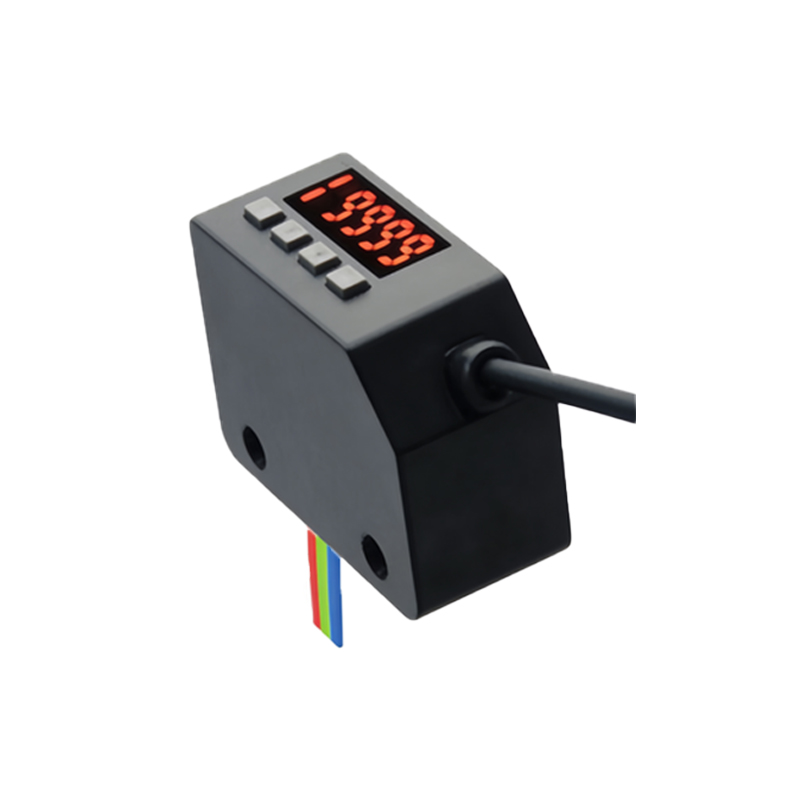
Photoelectric sensors are crucial for liquid level control in tanks, reservoirs, and bottles. They perform this task without contacting the liquid, which is vital for hygiene in food & beverage or pharmaceutical industries and for handling corrosive chemicals. A common method is to mount a sensor at a specific height on the exterior of a transparent or translucent tank. When the liquid rises to the sensor's level, the light beam's refraction changes as it passes through the liquid-air interface, signaling the sensor. Alternatively, sensors can be mounted internally with prisms. In filling machines, a sensor positioned at the neck of a bottle detects the rising liquid level and signals the filler to stop, ensuring consistent fill volume. This application demands sensors resistant to condensation, foam, and varying liquid colors or opacities.
Identifying Marks, Colors, and Contrasts
Beyond simple presence detection, advanced photoelectric sensors can identify specific marks, colors, or contrast patterns on components. Contrast sensors, for example, detect the difference in reflectance between two surfaces, such as a black mark on a white label or a printing error on a package. This is essential in labeling and printing quality control. Color sensors go further, recognizing specific colors by analyzing the reflected light's RGB values. They can sort objects by color, verify the correct color cap on a bottle, or ensure wiring harnesses use the correctly colored wires. Luminescence sensors detect the presence of invisible UV marks or security features. These capabilities allow for sophisticated inspection and sorting tasks, ensuring component correctness and product quality.
Precision Positioning of Components
In high-precision manufacturing, such as electronics assembly or machining, photoelectric sensors provide accurate positioning feedback. They detect the exact edge of a silicon wafer, the notch on a gear, or the lead frame of an integrated circuit. Small, precise diffuse sensors or focused through-beam sensors are used for these micro-detection tasks. The output signal often feeds into a programmable logic controller (PLC) that halts a robotic arm or triggers a precise placement operation. The repeatability and resolution of the sensor are critical here, as positional errors of even a few micrometers can be unacceptable. This application underscores the role of photoelectric sensors not just as detectors, but as enablers of precision automation.
Conclusion: The Versatile Industrial Workhorse
In summary, photoelectric sensors are engineered to detect a vast spectrum of industrial components and conditions. From robust metal parts to delicate glass, from opaque solids to clear liquids, and from simple presence to complex color identification, these sensors form the backbone of automated sensing. The choice of sensor type—through-beam, retro-reflective, diffuse, or specialized—is dictated by the specific properties of the target component and the application's environmental demands. As automation evolves towards greater flexibility and intelligence, the capabilities of photoelectric sensors continue to expand, solidifying their status as a fundamental and versatile detection solution in electrical and control engineering.