Introduction to Low-Power Proximity Sensing
In the rapidly evolving landscape of industrial automation and IoT, the demand for energy-efficient components has never been higher. Proximity switch sensors, fundamental devices for non-contact object detection, are at the forefront of this shift. Traditionally, these sensors were designed for reliability and precision, with power consumption being a secondary concern. However, the proliferation of battery-operated systems, wireless sensor networks, and sustainable manufacturing initiatives has propelled low-power design to a primary engineering objective. Reducing the power draw of a proximity sensor extends its operational life, minimizes heat generation, lowers overall system costs, and enables deployment in remote or hard-to-reach locations. This article delves into the core strategies for achieving low power consumption in modern proximity sensors and explores their critical applications across industries.
Core Technologies Enabling Power Reduction
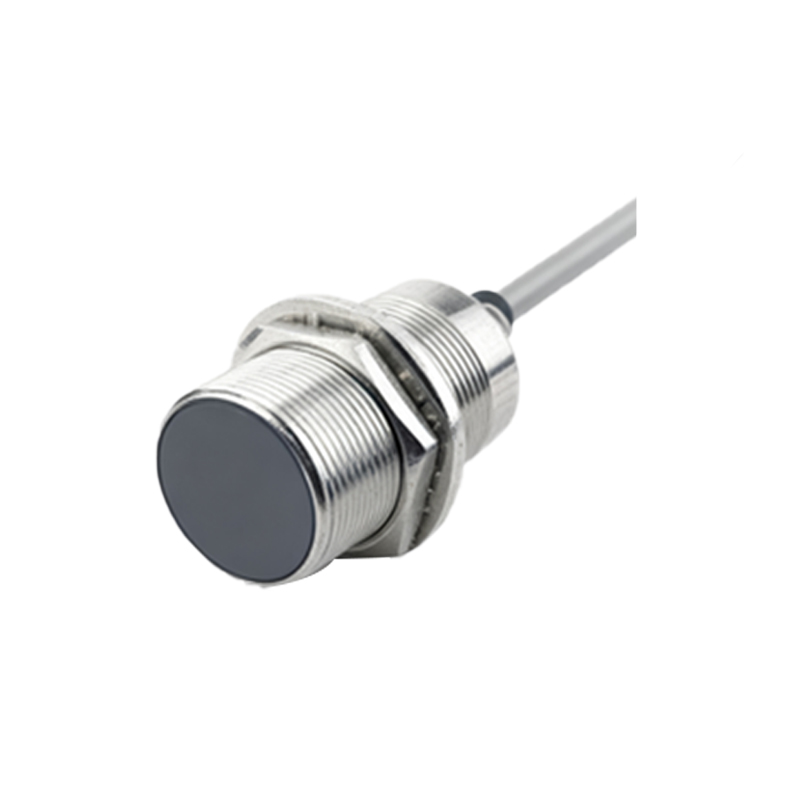
The journey toward low-power proximity sensors is driven by advancements in several key technologies. First, the choice of sensing principle plays a pivotal role. Inductive, capacitive, and magnetic sensors each have distinct power profiles. For instance, modern low-power inductive sensors often utilize specialized ASICs (Application-Specific Integrated Circuits) that manage the oscillation, amplification, and evaluation circuits with extreme efficiency. These chips can operate at very low quiescent currents, sometimes in the microampere range. Secondly, the implementation of sophisticated power management schemes is crucial. This includes duty cycling, where the sensor is powered on only for brief intervals to take a measurement before returning to a deep sleep mode. Adaptive sensing algorithms can also adjust the sampling rate based on environmental activity, conserving energy during periods of inactivity.
Design Strategies for Minimizing Energy Use
Engineers employ a multi-faceted approach to minimize energy consumption in proximity switch design. At the component level, selecting low-leakage semiconductors and high-efficiency voltage regulators is fundamental. The sensor's oscillator, the heart of inductive and capacitive types, can be optimized for quick start-up times and stable operation at lower voltages. Furthermore, the output stage is a significant consumer of power. Transitioning from traditional relay or standard transistor outputs to open-collector or push-pull configurations designed for low-side switching can markedly reduce load. Intelligent firmware is equally important; programming the sensor's microcontroller to disable unused peripherals, optimize interrupt handling, and manage wireless communication protocols efficiently can yield substantial power savings. The physical design, including coil geometry in inductive sensors, is also tuned for maximum sensitivity with minimal excitation energy.
Impact of Low-Power Design on Sensor Performance
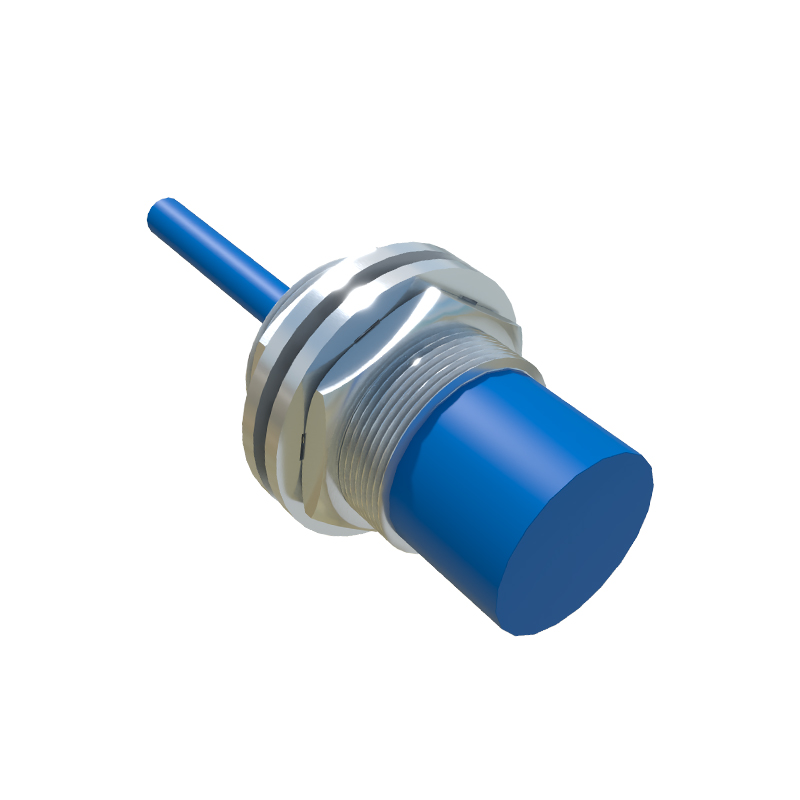
A common concern is whether reducing power consumption compromises performance. The industry's challenge is to maintain, or even enhance, key parameters like sensing distance, repeatability, and response time while cutting power use. Advanced signal processing techniques allow sensors to distinguish between true target signals and environmental noise at lower power levels. Shielding and housing designs are improved to prevent false triggers, reducing the need for constant high-power operation. While there might be trade-offs—for instance, a slightly reduced maximum sensing range in some ultra-low-power models—the overall trend is toward sensors that are both highly efficient and highly reliable. Modern low-power sensors often meet or exceed the performance benchmarks of their older, power-hungry counterparts, proving that efficiency and efficacy are not mutually exclusive.
Industry Applications and Future Trends
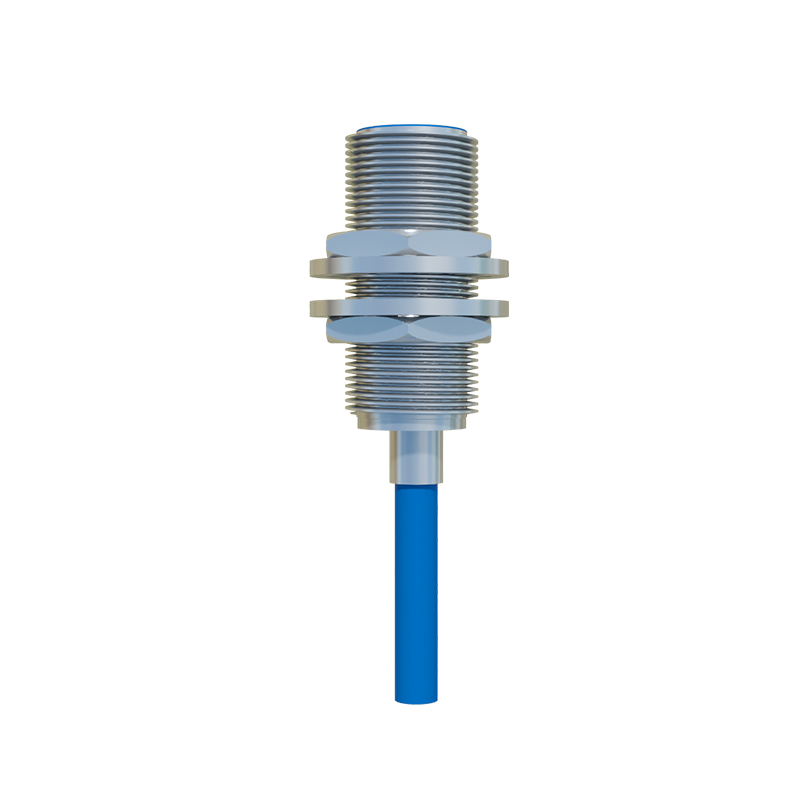
The adoption of low-power proximity sensors is transforming numerous sectors. In factory automation, they enable the creation of large-scale, densely packed sensor arrays on wireless networks for comprehensive machine monitoring without complex wiring. The automotive industry integrates them into keyless entry systems and battery management modules, where every microamp counts for vehicle standby time. Consumer electronics, such as smartphones and tablets, use miniature low-power proximity sensors for display management. Perhaps most significantly, they are enablers for the Industrial Internet of Things (IIoT), where thousands of sensors must operate for years on small batteries or energy harvesting systems. Looking ahead, trends point toward even greater integration, with sensing, processing, and communication functionalities combined into single, ultra-efficient chips. Energy harvesting from vibration, light, or thermal differences will likely make some proximity sensors entirely self-powered, further cementing their role in sustainable industrial ecosystems.