Introduction to Standard Proximity Sensors
In the intricate world of industrial automation, the ability to detect the presence or absence of an object without physical contact is a fundamental requirement. Standard proximity sensors fulfill this critical role, serving as the silent, reliable eyes of countless machines and production lines. These non-contact sensing devices operate by emitting an electromagnetic field or a beam of electromagnetic radiation, and then monitoring for changes in the field or return signal. Their primary function is to detect the approach of a metallic or, in some cases, non-metallic target, triggering an output signal that can be used to control machinery, count objects, or verify positioning. The robustness, reliability, and versatility of standard proximity sensors make them indispensable across a vast spectrum of industries, from automotive manufacturing and packaging to material handling and food processing.
Core Operating Principles and Types
Standard proximity sensors are categorized primarily by their underlying sensing technology, each suited to specific applications and target materials. The most prevalent type is the inductive proximity sensor. Designed to detect metallic objects, these sensors generate an oscillating electromagnetic field from a coil. When a ferrous or non-ferrous metal target enters this field, it induces eddy currents, causing a change in the oscillation amplitude. This change is detected by the sensor's circuitry, which then switches its output state. Another common type is the capacitive proximity sensor. These can detect both metallic and non-metallic materials, such as plastics, liquids, powders, and wood. They function by generating an electrostatic field. The presence of any material with a dielectric constant different from air alters the capacitance of the sensor's circuit, leading to an output change. While less common for general-purpose detection, photoelectric sensors also fall under the proximity umbrella, using a beam of light to detect objects at greater ranges.
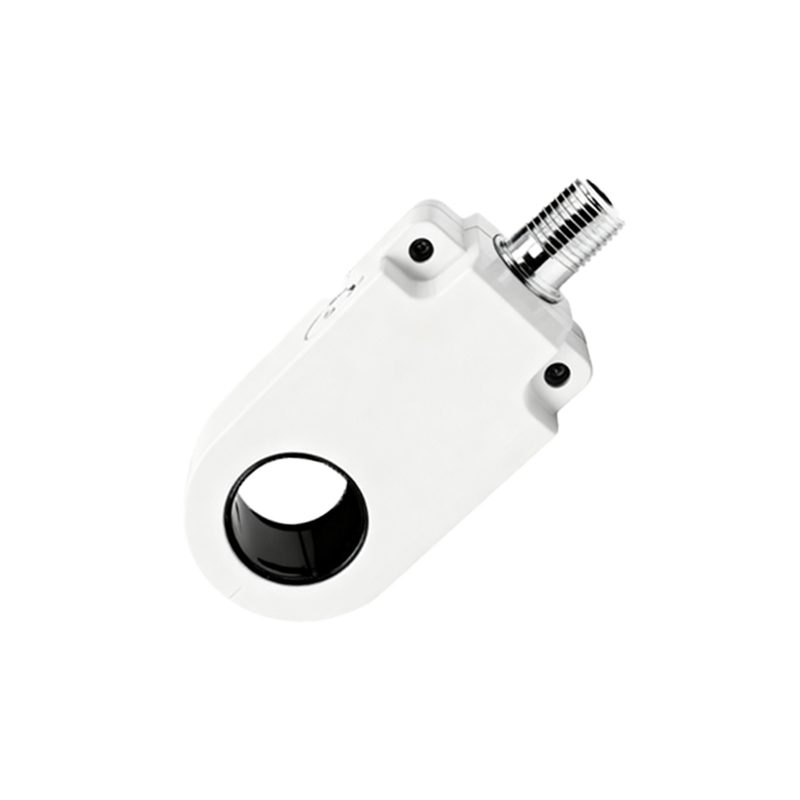
Key Functions and Industrial Applications
The utility of standard proximity sensors is demonstrated through their diverse functions on the factory floor. One of their primary roles is position sensing and verification. They are used to confirm that a robotic arm has reached its home position, a cylinder is fully extended or retracted, or a part is correctly seated in a fixture. This ensures precise machine sequencing and prevents errors. Another critical function is object counting and presence detection on conveyor lines. Sensors monitor the passage of products, enabling accurate inventory tracking and control of downstream processes. They are also extensively used for limit switching, providing a non-contact, wear-free alternative to traditional mechanical limit switches, thereby enhancing longevity and reducing maintenance. In automated assembly, they verify the presence of components before a critical operation, such as welding or fastening, safeguarding product quality.
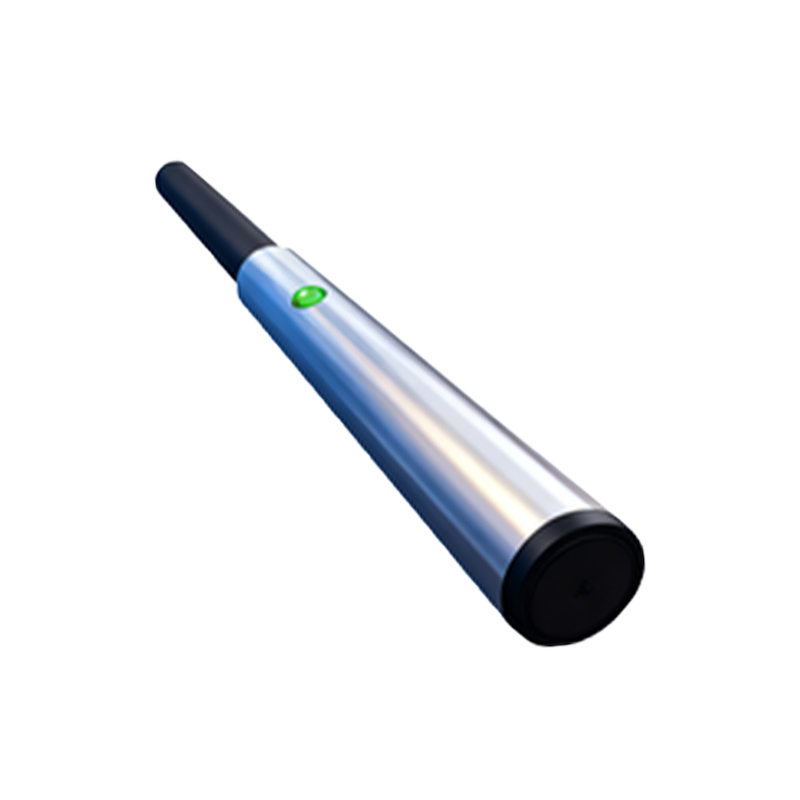
Advantages Over Mechanical Switches
The adoption of standard proximity sensors offers significant advantages compared to mechanical contact switches. The most notable benefit is the complete absence of physical contact with the target. This eliminates mechanical wear and tear on both the sensor and the target object, leading to dramatically extended service life and reduced downtime for replacement. Furthermore, the non-contact nature allows for extremely high-speed operation. Proximity sensors can detect objects passing at very high frequencies, a task impossible for mechanical switches that require physical actuation and debounce time. They are also inherently more reliable in harsh environments, as their sealed housings protect internal electronics from dust, oil, coolant, and other industrial contaminants that could jam or corrode mechanical contacts.
Critical Selection Criteria for Engineers
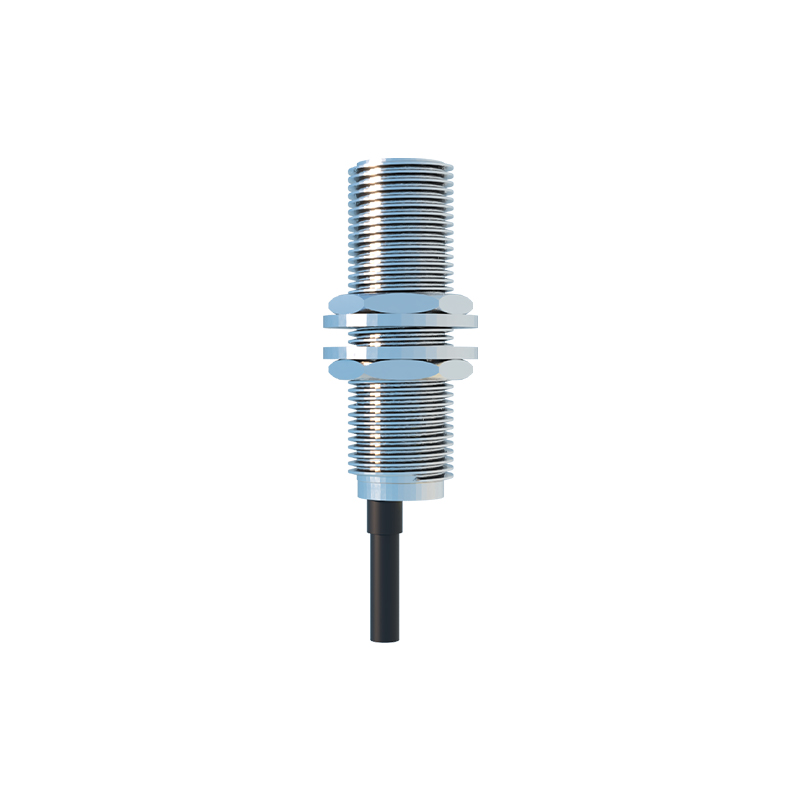
Selecting the appropriate standard proximity sensor for an application requires careful consideration of several technical parameters. The sensing range, or nominal range (Sn), is the first consideration—the guaranteed operating distance for a standard target. Engineers must also account for the target material, size, and shape, as these affect the effective sensing distance. The output type is crucial; sensors provide either a digital (PNP or NPN) or analog (4-20mA, 0-10V) signal to interface with Programmable Logic Controllers (PLCs) or other control systems. Environmental factors such as ambient temperature, potential for washdowns, and exposure to chemicals dictate the required housing material and ingress protection (IP) rating. Finally, the mounting style (flush, non-flush, threaded barrel) must be compatible with the mechanical design to ensure proper installation and performance.
Installation and Maintenance Best Practices
Proper installation is paramount to achieving reliable and consistent performance from proximity sensors. A key consideration is maintaining the correct mounting distance, especially for inductive sensors. Flush-mountable sensors can be installed embedded in metal, while non-flush types require a clear area around the sensing face to avoid interference from the mounting material. Engineers must also be mindful of sensor-to-sensor spacing to prevent mutual interference when multiple units are installed in close proximity. While maintenance is minimal, periodic checks are recommended